

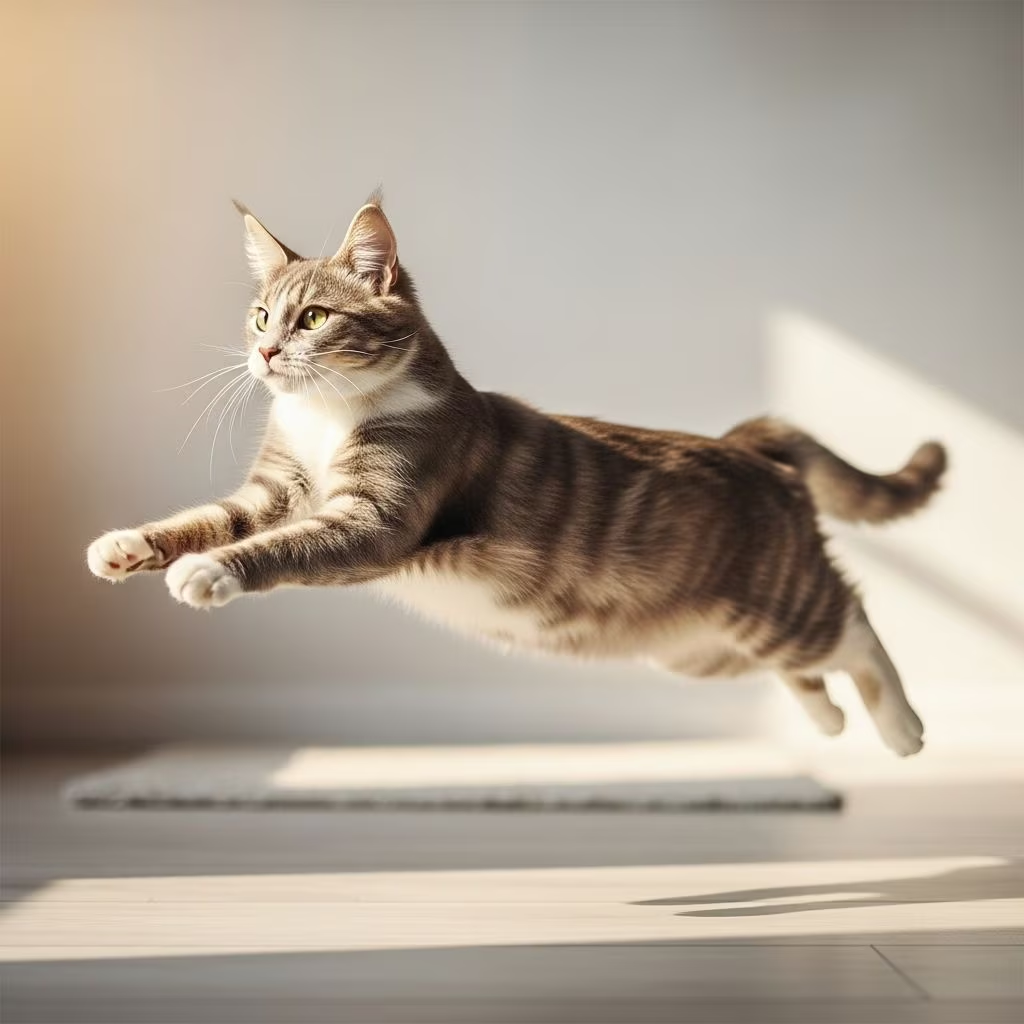
Cats often hide joint pain, but supplements like glucosamine, chondroitin, and omega-3 fatty acids can support mobility and reduce discomfort in aging or active felines. These nutraceuticals help maintain cartilage, lubricate joints, and alleviate arthritis symptoms, potentially improving quality of life.
Signs Your Cat May Have Joint Problems
Joint issues in cats, particularly osteoarthritis (OA), affect up to 90% of cats over 12 years old, leading to reduced activity and pain. Owners may notice subtle changes since cats mask discomfort.
- Reduced jumping: Avoiding high surfaces like counters or beds.
- Limping or stiffness: Especially after rest, resembling ‘walking on eggshells’.
- Reluctance to play: Less chasing toys or grooming.
- Difficulty using litter box:
- Swollen joints or sensitivity to touch.
These signs warrant a vet visit to rule out other conditions and discuss supplements.
Common Joint Conditions in Cats
Cats develop degenerative joint disease (DJD) from age, injury, or genetics, eroding cartilage and causing inflammation.
- Osteoarthritis: Most prevalent, with cartilage breakdown leading to bone-on-bone friction.
- Post-surgical recovery: Joint surgeries accelerate wear, needing cartilage support.
- Hip dysplasia: Rare in cats but strains active breeds.
Early intervention with supplements prevents progression.
What Are Joint Supplements?
Joint supplements, or nutraceuticals, provide building blocks for cartilage repair without pharmaceuticals’ side effects. Key ingredients include:
| Ingredient | Function | Benefits for Cats |
|---|---|---|
| Glucosamine | Cartilage precursor | Rebuilds joint tissue, reduces inflammation |
| Chondroitin Sulfate | Holds water in cartilage | Lubricates joints, inhibits degrading enzymes |
| MSM (Methylsulfonylmethane) | Anti-inflammatory | Relieves pain, improves flexibility |
| Omega-3s (EPA/ETA) | Blocks cartilage breakdown | Reduces inflammation; from fish oil or green-lipped mussel |
These work synergistically, often showing effects in 4-6 weeks.
Do Joint Supplements Work for Cats?
Evidence supports efficacy: A clinical trial with glucosamine/chondroitin (Dasuquin) improved pain scores and activity in DJD cats over 6 weeks, though placebo effects were notable. A meta-analysis confirmed omega-3s modulate pain effectively. Majority of trials (90%) show mobility gains. Vets recommend them for low-risk, long-term use over NSAIDs.
Benefits of Joint Supplements for Cats
Supplements target root causes, offering:
- Pain relief: Natural anti-inflammatories reduce discomfort without sedation.
- Improved mobility: Enhanced lubrication aids jumping and climbing.
- Cartilage protection: Slows degeneration in senior cats.
- Post-op recovery: Accelerates healing after joint surgery.
- Preventive care: For active cats, maintaining joint resilience.
Owners report cats resuming lap-jumping and play.
Who Might Benefit Most?
- Senior cats: 78% show initial improvements; ideal for age-related OA.
- Active/performance cats: High-impact activities strain joints.
- Post-surgery: Rebuilds tissue, prevents arthritis.
- Breed predispositions: Larger breeds like Maine Coons.
Even healthy cats benefit prophylactically.
How to Choose the Right Supplement
Select vet-recommended products with proven ingredients:
- Look for NASC seal (National Animal Supplement Council).
- Dosage: 20-50mg/kg glucosamine; follow labels.
- Forms: Powders, chews, liquids for picky eaters.
- Avoid human products; cat-specific formulations essential.
Combine with joint-support diets like Hill’s j/d or Royal Canin Mobility.
Potential Side Effects and Safety
Generally safe; mild GI upset possible initially. Rare allergies to shellfish-derived glucosamine. No long-term risks like NSAIDs. Always vet-approved, especially with medications.
How to Introduce Joint Supplements
- Consult vet for diagnosis and product recs.
- Start low dose, mix in food.
- Monitor 4-6 weeks for improvements.
- Combine with weight management, low-impact exercise.
Consistency yields best results.
Alternatives to Supplements
- Prescription diets: High EPA omega-3s.
- Physical therapy: Laser, acupuncture.
- Medications: Gabapentin for pain.
- Environmental mods: Ramps, soft bedding.
When to See a Vet
If signs persist despite supplements, seek imaging or further tests. Supplements complement, not replace, vet care.
Frequently Asked Questions (FAQs)
Q: How long do joint supplements take to work in cats?
A: Typically 4-6 weeks for noticeable mobility improvements.
Q: Are joint supplements safe for long-term use?
A: Yes, with lower risks than NSAIDs; vet-monitored.
Q: Can kittens or young cats use them?
A: Preventive use for active young cats, but consult vet.
Q: What’s the best joint supplement ingredient combo?
A: Glucosamine + chondroitin + omega-3s for synergy.
Q: Do all cats with arthritis need supplements?
A: Beneficial for most with DJD; tailor to individual needs.
References
- Chondroitin Supplements for Cats — Simon Vet Surgical. 2023. https://www.simonvetsurgical.com/news/chondroitin-supplements-for-cats
- For Cat Joints and Bones Supplement — Gigi Vet. 2024. https://gigivet.com/products/for-cat-joints-and-bones-supplement-for-cats
- Evaluation of a nutritional supplement for the alleviation of pain — PMC (NIH). 2024-01-15. https://pmc.ncbi.nlm.nih.gov/articles/PMC10812307/
- Nutraceuticals for Joint Support in Cats with Osteoarthritis — VCA Animal Hospitals. 2023. https://vcahospitals.com/know-your-pet/nutraceuticals-for-joint-support-in-cats-with-osteoarthritis
- How Joint Supplements Can Help Orthopedic Conditions — Cornell Vet. 2022. https://www.vet.cornell.edu/departments-centers-and-institutes/riney-canine-health-center/canine-health-topics/how-joint-supplements-can-help-orthopedic-conditions
- Do Joint Supplements for Pets Actually Work? — Canine Arthritis Management. 2023. https://caninearthritis.org/do-joint-supplements-for-pets-actually-work/
- A 2022 Systematic Review and Meta-Analysis of Enriched Omega-3 — PMC (NIH). 2022-09-20. https://pmc.ncbi.nlm.nih.gov/articles/PMC9499673/



