

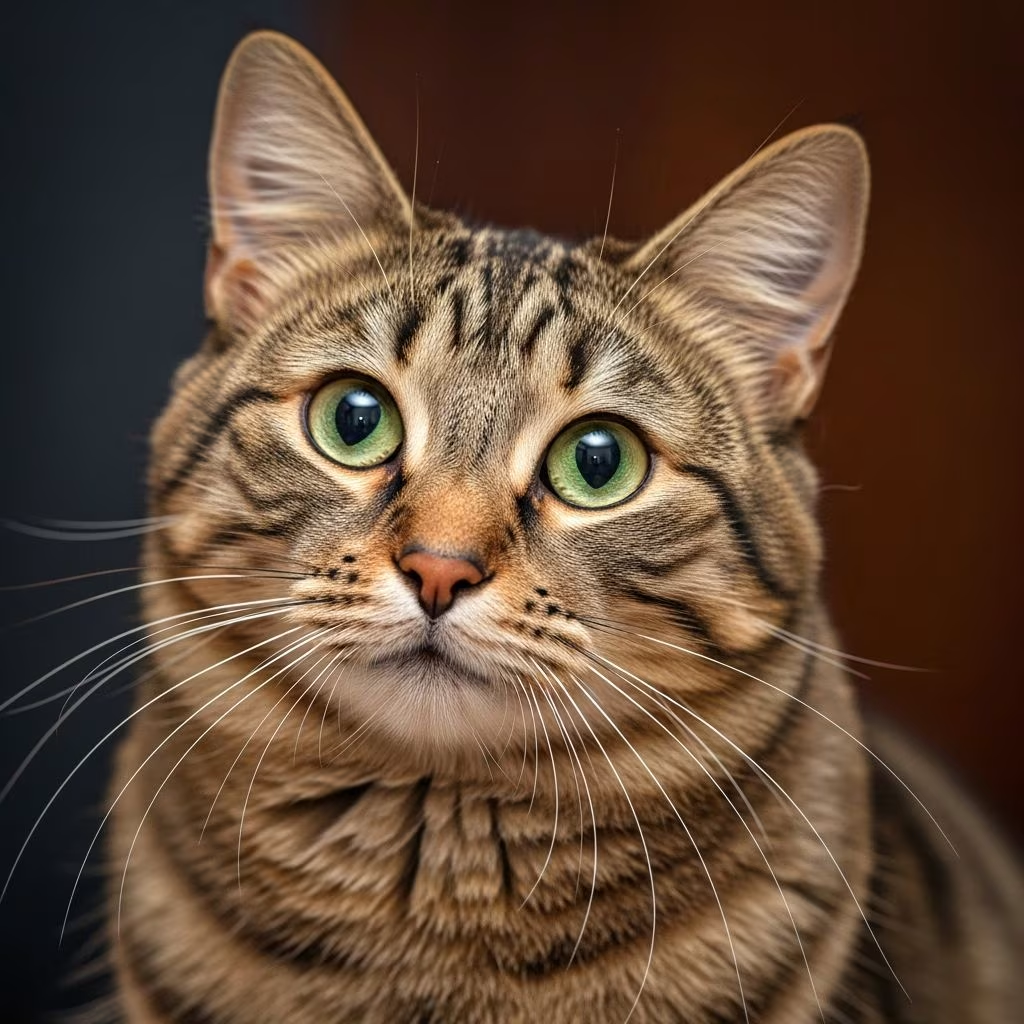
Breed-specific cat food is formulated to meet the unique nutritional demands of particular cat breeds, considering factors like size, coat type, and predisposition to health issues. While not strictly essential for most cats, these diets can offer targeted benefits for breeds with specific vulnerabilities.
What Is Breed-Specific Cat Food?
Breed-specific cat food refers to diets designed explicitly for certain purebred cats, taking into account their genetics, body structure, coat characteristics, and common health concerns. These foods aim to provide precise nutrient balances that support breed-unique traits, such as joint health in large breeds or hairball prevention in long-haired varieties. Manufacturers often customize kibble shape and size to match a breed’s jaw structure, promoting better chewing and dental health.
Unlike general cat foods, breed-specific formulas incorporate ingredients like higher taurine levels for heart-prone breeds or added fibers for hairball control. However, experts emphasize that any complete and balanced cat food meeting AAFCO standards can suffice if it aligns with your cat’s individual needs.
What Is the Reasoning Behind Breed-Specific Food?
The rationale for breed-specific foods stems from genetic predispositions and physical traits unique to each breed. For instance, brachycephalic breeds like Persians have flat faces that make standard kibble hard to eat, so specialized shapes aid consumption and oral health. Large breeds like Maine Coons face joint stress from their size, prompting inclusion of glucosamine and omega fatty acids.
Coat type influences formulations too: long-haired breeds benefit from omega-3 and omega-6 fatty acids to maintain skin health and reduce shedding issues. Cats are obligate carnivores requiring high protein (40-45%), moderate fat, and minimal carbs, with taurine essential for heart, eyes, and immunity—nutrients breed foods optimize based on breed vulnerabilities.
What Do Breed-Specific Diets Aim to Do?
Breed-specific diets target a breed’s skeletal structure, jaw size, activity level, and coat maintenance to prevent common issues:
- Skeletal health: Support for breeds like Scottish Folds with cartilage issues or large cats prone to arthritis.
- Jaw adaptation: Kibble shaped for easy grasping, especially in flat-faced Persians.
- Lifestyle support: Higher energy for active Bengals, controlled calories for sedate British Shorthairs.
- Coat care: Fatty acids and fibers for Persians and Ragdolls to minimize hairballs and promote shine.
These foods also address breed-specific risks, like digestive sensitivities in Bengals or obesity in Ragdolls.
Popular Brands Offering Breed-Specific Food
Several reputable pet food companies produce breed-specific lines, including Royal Canin with formulas for Maine Coons, Persians, Bengals, Ragdolls, and Siamese. These incorporate taurine, EPA/DHA for heart health in Maine Coons, fibers for Persian hairballs, and digestible proteins for Bengals. Other brands like Hill’s or Purina may offer similar targeted nutrition, though availability varies.
Maine Coon Cat Food
Maine Coons, one of the largest domestic breeds, require high-protein diets for muscle maintenance and energy, with joint-supporting nutrients like glucosamine due to size-related arthritis risk. Formulas include taurine, EPA, and DHA for cardiac health—a breed predisposition—and omega fatty acids for their dense double coat. High digestible proteins meet their elevated calorie needs, while L-tyrosine promotes coat gloss.
Persian Cat Food
Persians, with luxurious long coats and flat faces, benefit from omega-6, biotin, and fish oils for skin/coat health and hairball reduction via plant fibers and FOS. Kibble is larger and textured for brachycephalic jaws, supporting dental health. Diets also promote urinary health to prevent bladder stones, common in this breed.
Bengal Cat Food
Athletic Bengals need high-protein, highly digestible food to sustain muscle mass and accommodate digestive sensitivities. Omega fatty acids support their sleek coat, and energy-dense formulas fuel their playful nature. Single-protein sources like poultry aid sensitive stomachs.
Ragdoll Cat Food
Ragdolls, prone to obesity despite their gentle demeanor, thrive on grain-free, sugar-free foods with moderate calories, high meat content, and fibers for hairball control in their semi-long coats. Omega fatty acids enhance coat health during shedding.
Do All Cats Need Breed-Specific Food?
No, not all cats require breed-specific food. Mixed-breed or domestic shorthairs can flourish on premium, balanced diets tailored to age, activity, and health status rather than breed. Individual factors like weight management, allergies, or senior needs supersede breed. Vets recommend consulting for personalized advice, as a Persian-like longhair moggie might need similar hairball aids as a purebred.
General Nutritional Needs for Cats
All cats, regardless of breed, are obligate carnivores needing:
- High protein (40-45%): From meat/fish for amino acids like taurine.
- Fats (omega-3/6): For coat, skin, joints, and anti-inflammation.
- Vitamins: A for vision/skin, D for bones, E as antioxidant.
- Fibers: For digestion and hairballs in longhairs.
Adjust portions by age (kittens: 30%+ protein with DHA; adults: balanced; seniors: lower cal/joint support), activity, and weight. Use feeding calculators for precision.
Age-Specific Nutritional Needs by Breed
| Life Stage | Nutritional Focus | Breed Examples |
|---|---|---|
| Kittens | 30%+ protein, DHA for growth/bones | All breeds |
| Adults (1-7 yrs) | 25% protein, moderate fat for weight/energy | Siamese/Bengal (higher protein) |
| Seniors (7+) | Lower protein/fat, joint/cognitive support | Maine Coon (extra joints) |
Hairball-prone (Persian/Maine Coon) need fiber across stages; large breeds require calorie control.
Other Breeds and Their Needs
- British Shorthair: Moderate energy, high meat/omega-3 for joints/fur to prevent obesity.
- Norwegian Forest Cat: High energy for activity, fillets for sturdy build/water-repellent coat.
- Siamese: Easily digestible, single-protein for sensitive digestion.
- Savannah: Energy-rich for exotic activity.
- Birman: Digestible with fiber for hairballs.
Frequently Asked Questions (FAQs)
Is breed-specific food necessary for my pedigree cat?
No, high-quality complete foods work for most; prioritize health issues over breed.
Can mixed-breed cats eat breed-specific food?
Yes, if it matches traits like long hair, but general premium food is usually sufficient.
What if my cat has health problems?
Consult a vet; conditions like kidney disease trump breed needs.
How do I choose the right food?
Consider age, activity, coat, and use calculators; ensure AAFCO balance.
Are there risks to breed-specific foods?
Over-reliance without vet input; always monitor weight and health.
References
- Breed-specific feeding: the right diet for every cat breed | CAT’S LOVE — Cats Love. 2023. https://www.catslove.com/en/breed-specific-feeding
- Does My Cat Need Breed-Specific Food? Vet-Approved Nutritional — Catster. 2023-10-15. https://www.catster.com/cat-health-care/does-my-cat-need-breed-specific-food/
- Understanding Your Cat’s Nutritional Needs by Age and Breed — Smart Scoops. 2024. https://smartscoops.com/understanding-your-cats-nutritional-needs-by-age-and-breed/
- Do different breeds of cat need different diets like dogs do? — Vet Help Direct. 2021-10-03. https://vethelpdirect.com/vetblog/2021/10/03/do-different-breeds-of-cat-need-different-diets-like-dogs-do/
- Benefits of Breed-Specific Diets — VCA Animal Hospitals. 2023. https://vcahospitals.com/know-your-pet/benefits-of-breed-specific-diets



