

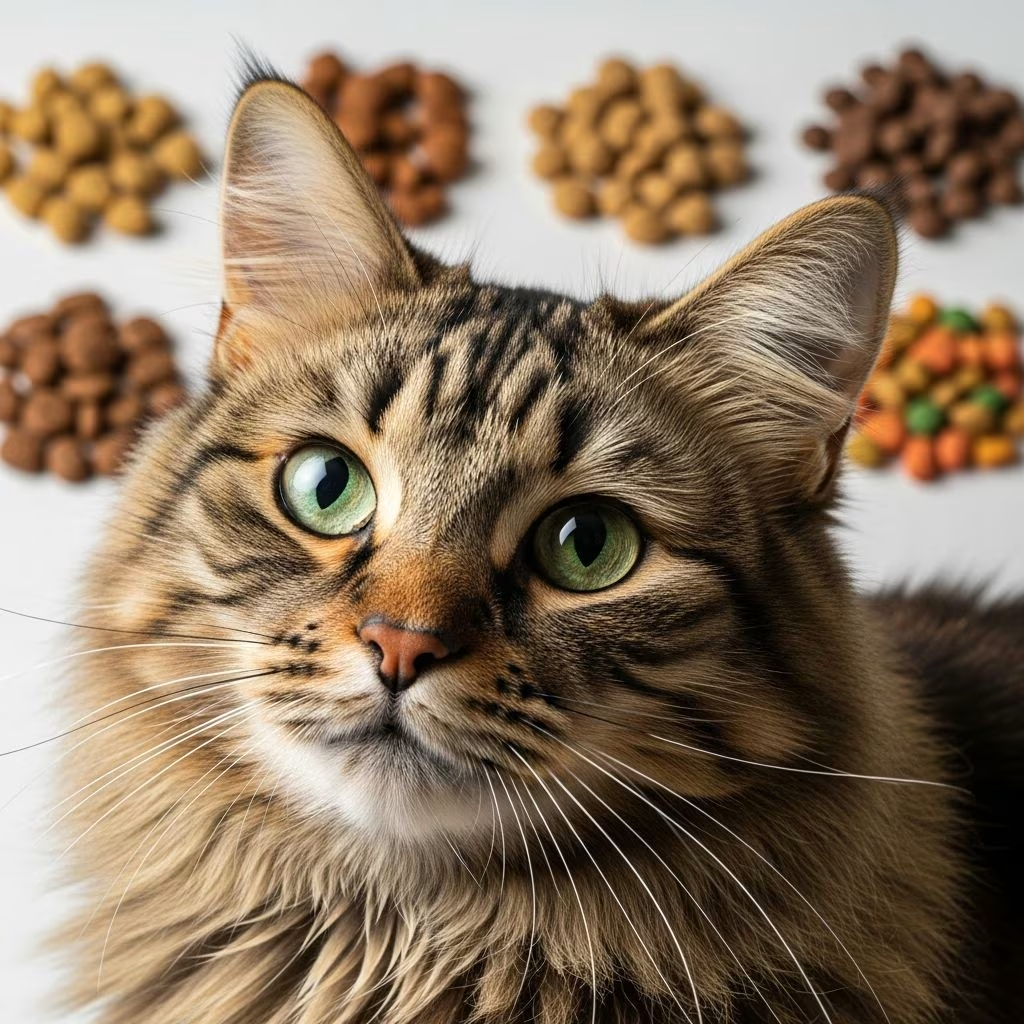
Breed-specific cat food is formulated to meet the unique nutritional, physical, and health needs of particular cat breeds, but it is not strictly essential for most cats. High-quality, complete, and balanced diets suffice for the majority, with breed-specific options offering targeted benefits for predisposed conditions.
What Is Breed-Specific Cat Food?
Breed-specific cat food refers to diets designed for purebred cats, considering factors like body type, genetics, coat length, jaw structure, and common health predispositions. These formulas aim to provide precise nutrients to support thriving in specific breeds, such as larger kibble shapes for breeds with unique jaw sizes or added fibers for hairball-prone longhairs.
Unlike general cat foods, these products tailor ingredients to address breed traits. For instance, they incorporate higher protein for active breeds or joint-supporting supplements for giants like the Maine Coon. However, experts emphasize that individual health trumps breed when selecting food.
What Is the Reasoning Behind Breed-Specific Food?
The rationale stems from genetic and physical differences across breeds. Certain conditions are more prevalent: Persians face hairball and bladder stone risks due to their flat faces and long coats, while Maine Coons contend with joint strain from their size and cardiac vulnerabilities.
- Skeletal and joint health: Large breeds benefit from glucosamine and chondroitin to prevent arthritis.
- Coat maintenance: Long-haired breeds receive omega fatty acids for skin health and reduced shedding.
- Digestive support: Sensitive breeds like Bengals get highly digestible proteins.
- Heart function: Taurine and omega-3s (EPA/DHA) for breeds prone to cardiomyopathy.
Additionally, kibble is shaped to match jaw structures—flatter for brachycephalic Persians to ease eating and promote dental health.
Do All Cats Need Breed-Specific Food?
No, breed-specific food is not necessary for every cat. Domestic shorthairs and many mixed breeds thrive on premium all-life-stages or adult maintenance foods meeting AAFCO standards. The priority is nutritional completeness: high animal-based protein (40-45%), moderate fats, essential taurine, and minimal fillers, as cats are obligate carnivores.
Veterinarians note that health issues like obesity, urinary problems, or allergies dictate diet more than breed. A Persian without hairballs doesn’t require specialized fiber any more than a long-haired domestic does. Always consult a vet for personalized advice, especially if your cat has conditions like kidney disease or diabetes.
Pros and Cons of Breed-Specific Diets
Breed-specific foods offer convenience and targeted nutrition but come with trade-offs.
| Pros | Cons |
|---|---|
| Addresses breed-specific health risks (e.g., joint support for Maine Coons). | Higher cost compared to general premium foods. |
| Custom kibble shape improves chewing and dental hygiene. | May limit variety; not all brands available for every breed. |
| Optimized for coat, energy, and digestion based on genetics. | Overemphasis on breed ignores individual needs like age or activity. |
| Convenient one-bag solution for purebred owners. | Potential overfeeding if portions aren’t adjusted properly. |
Popular Breeds and Their Nutritional Needs
Here’s a breakdown of dietary considerations for 10 common breeds, drawing from their physical traits and health tendencies.
British Shorthair
These stocky, calm cats risk obesity, so opt for moderate-energy foods with high meat content, omega-3s for joint health, and dense fur support. Protein aids muscle maintenance without excess calories.
Maine Coon
As massive cats, they demand high-protein, calorie-dense food for energy, plus taurine, EPA/DHA for heart health, and joint supplements like glucosamine. Omega fatty acids maintain their luxurious coat.
Norwegian Forest Cat
Active outdoor adventurers need energy-rich diets with pure meat fillets. Their water-repellent fur benefits from omega-3/6 for shine and anti-inflammatory effects.
Bengal
Athletic and playful, Bengals require high-protein, highly digestible food for muscle mass. They may have digestive sensitivities, so single-protein sources like poultry help.
Siamese
Energetic but slender, they suit easily digestible, single-protein foods to avoid tummy troubles. Moderate protein supports their high activity without weight gain.
Ragdoll
Prone to obesity, these cuddly giants need grain-free, sugar-free foods with balanced nutrients. High protein and fibers prevent weight issues and hairballs.
Persian
Long-haired and flat-faced, Persians benefit from omega-6, biotin for coat health, fibers/FOS for hairballs and digestion, and urine-acidifying ingredients against bladder stones. Larger kibble suits their jaws.
Savannah
Exotic and hyperactive, they crave energy-packed, high-protein meals for wild adventures.
Birman
Gentle longhairs need digestible foods with fibers to minimize hairballs.
Domestic Shorthair
Versatile ‘moggies’ require balanced diets adjusted for weight, age, and activity. Omega fatty acids and biotin aid during shedding.
Key Nutrients All Cats Need
Regardless of breed, cats share core requirements as obligate carnivores.
- High-quality protein: From meat/fish for amino acids like taurine (heart, eyes, immunity).
- Omega-3/6 fatty acids: From salmon/oils for coat, skin, joints, and inflammation reduction—vital for longhairs.
- Vitamins: A (vision/skin), D (bones), E (antioxidant/immunity).
- Fibers: Plant-based for hairball control in prone breeds.
Adjust portions via calculators considering weight, age, and activity. Kittens need 30%+ protein/DHA; adults 25-40%; seniors lower calories with joint/kidney support.
Alternatives to Breed-Specific Food
High-quality general foods work well: look for AAFCO-approved, meat-first ingredients. Customize with toppers—e.g., fish oil for Persians or glucosamine for Maine Coons. Life-stage formulas (kitten, senior) often suffice over breed-specific.
Frequently Asked Questions (FAQs)
What makes breed-specific food different?
It targets breed traits like coat length, size, and health risks with custom nutrients and kibble shapes.
Is breed-specific food worth the extra cost?
For purebreds with known issues, yes; otherwise, premium balanced food is sufficient.
Can I mix breed-specific and regular food?
Yes, but transition gradually and monitor weight/digestion. Consult a vet.
What if my cat is a mix or domestic breed?
Focus on age, health, and activity; breed-specific isn’t needed.
How do I know if the food is right?
Shiny coat, good energy, firm stools, ideal weight. Vet check-ups confirm.
References
- Is breed-specific feeding important? — CAT’S LOVE. 2023. https://www.catslove.com/en/breed-specific-feeding
- Does My Cat Need Breed-Specific Food? Vet-Approved Nutritional Advice — Catster. 2023-10-15. https://www.catster.com/cat-health-care/does-my-cat-need-breed-specific-food/
- Understanding Your Cat’s Nutritional Needs by Age and Breed — Smart Scoops. 2024. https://smartscoops.com/understanding-your-cats-nutritional-needs-by-age-and-breed/
- Do different breeds of cat need different diets like dogs do? — Vet Help Direct. 2021-10-03. https://vethelpdirect.com/vetblog/2021/10/03/do-different-breeds-of-cat-need-different-diets-like-dogs-do/
- Benefits of Breed-Specific Diets — VCA Animal Hospitals. 2023. https://vcahospitals.com/know-your-pet/benefits-of-breed-specific-diets



