

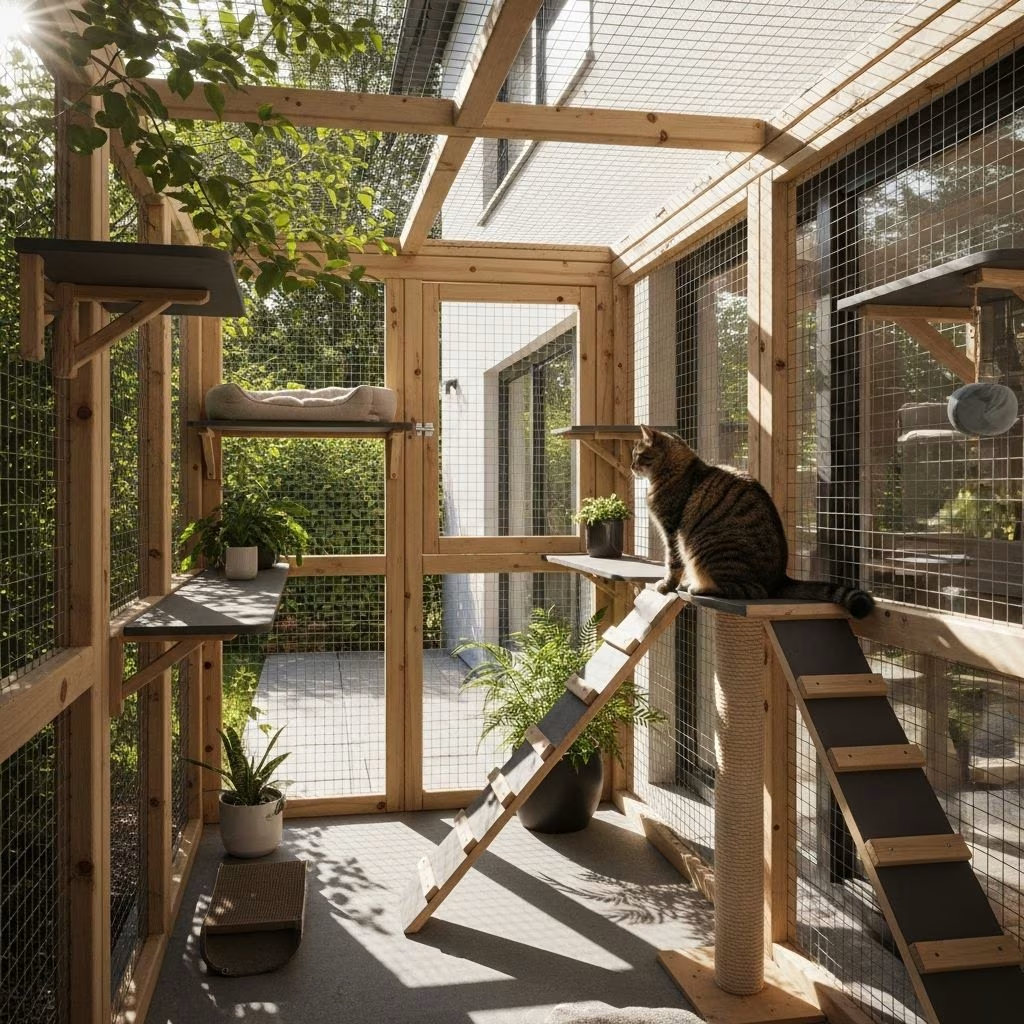
If your indoor cat loves staring out windows or bolts for the door every chance it gets, a **catio** might be the perfect solution. Catios are enclosed outdoor spaces designed specifically for cats, allowing them to enjoy fresh air, sunlight, and nature’s sights and sounds without the dangers of free-roaming.
These purpose-built enclosures provide a safe haven where felines can feel the breeze through their fur, bask in the sun, and explore without wandering off or harming local wildlife. In this comprehensive vet-reviewed guide, we’ll cover everything from the primary purpose of catios to their pros, cons, design options, and whether your cat truly needs one.
What Is a Catio?
A **catio**, short for ‘cat patio’ or ‘catio enclosure,’ is a secure, enclosed outdoor area tailored for cats. Typically attached to a home, it features mesh walls, a roof, and cat-friendly furnishings like shelves, tunnels, and scratching posts. This setup lets indoor cats experience the outdoors safely, smelling flowers, watching birds, and climbing without escaping or encountering predators.
Catios gained popularity in the 1990s in North America and are now widespread globally, especially in areas with traffic, predators, or strict wildlife protection laws. They balance a cat’s natural curiosity with owner concerns for safety.
What Is the Primary Purpose of a Catio?
The core purpose of a catio is **enrichment for indoor cats**. Indoor living protects cats from traffic, diseases, fights, and predators but can lead to boredom, obesity, and stress if not addressed. Catios offer controlled outdoor access, stimulating natural behaviors like hunting, climbing, and sunbathing.
They also safeguard wildlife—U.S. outdoor cats kill an estimated 2.4 billion birds annually. By containing cats, catios prevent predation while reducing disease spread and inter-cat aggression in multi-pet homes.
Customization enhances benefits: ramps for seniors, heated pads for ill cats, or toys for kittens make catios versatile.
How Are Catios Made?
Catios come in three main types:
- Custom-built: Professional companies create bespoke designs with supports for special needs, premium materials, and integration into your yard.
- Pre-made kits: Affordable, ready-to-assemble options from retailers, ideal for DIY enthusiasts using wood, wire mesh, and frames.
- DIY projects: Free or purchased online plans using chicken wire, lumber, and hardware cloth for escape-proof enclosures.
Key materials include galvanized mesh (no wider than 1-inch gaps) to block escapes and predators, sturdy frames, and weather-resistant roofs.
Where Are Catios Used?
Catios shine in urban areas with heavy traffic, rural spots with predators, or regions with wildlife regulations. They’re popular worldwide, especially in the U.S. (63% indoor cats) and UK (67% have outdoor access but face risks). Owners use them for apartments (balcony catios), large gardens, or even massive custom builds up to 25m x 16m.
In high-risk zones, catios prevent tragedies like car accidents or theft, as noted by UK builders like Catsafe.
Pros & Cons of Catios
Catios offer significant upsides but aren’t without drawbacks. Here’s a balanced view:
| Pros | Cons |
|---|---|
|
|
Advantages of Catios
For cats, catios channel ‘problem’ behaviors like scratching (provide posts/furniture) and running into safe outlets. Outdoor stimuli excite and relax them, curbing door-dashing.
In multi-cat homes, they add space and resources, easing conflicts. Owners appreciate the visual appeal and personalization—think integrated gardens or hammocks.
Do Indoor Cats Need a Catio?
Not every indoor cat requires a catio. Many thrive with indoor enrichment: toys, puzzles, vertical spaces, and playtime meet needs. However, if your cat shows window obsession, vocal frustration, or destructive tendencies, a catio provides superior stimulation via real nature.
Vets note exercise prevents obesity, diabetes, and arthritis—catios encourage activity naturally.
Are Catios Weatherproof?
Most catios handle moderate weather with roofs (angled plastic/polycarbonate for rain/snow runoff), mesh for ventilation, and non-slip surfaces on ramps/shelves.
For extremes:
- Winter: Insulated cubbies, heating pads, windbreaks.
- Summer: Shade sails, cooling mats, misters.
- General: UV-resistant materials, drainage floors.
They’re usable year-round with tweaks, keeping cats comfortable short of blizzards or heatwaves.
Catio Tips for Success
Introduce gradually: Lure with treats, toys; some cats adapt in hours, others days. Furnish with perches, tunnels, plants (cat-safe like grass). Monitor for stress; rotate toys for novelty.
Safety checklist:
- Mesh gaps ≤1 inch.
- Secure latches.
- No toxic plants nearby.
- Escape-proof doors.
Frequently Asked Questions (FAQs)
What is a catio exactly?
A catio is an enclosed outdoor patio for cats, providing safe access to fresh air, views, and stimulation without roaming risks.
Are catios worth the investment?
Yes, for enrichment-starved indoor cats—they boost happiness, health, and reduce indoor destruction while protecting wildlife.
How do I get my cat to use the catio?
Start slow: Place familiar items inside, use feeding times to associate positively. Patience is key; most love it eventually.
Can catios protect against all outdoor dangers?
High-quality ones block predators, disease, and escapes but check local weather and secure thoroughly.
What’s the average cost of a catio?
Ranges from $200 DIY kits to $5,000+ custom; UK examples £700–£2,000.
Final Thoughts
A catio can transform an indoor cat’s life, offering safe adventure. Assess your cat’s needs, budget, and space—if they crave the outdoors, it’s a game-changer.
References
- Does My Cat Need a Catio? Vet-Reviewed Pros, Cons & FAQ — Catster. 2023. https://www.catster.com/lifestyle/does-my-cat-need-a-catio/
- Are Catios Good for Cats? Vet-Reviewed Pros, Cons & Tips — Catster. 2023. https://www.catster.com/lifestyle/ask-a-vet-do-catios-eliminate-outdoor-risks-for-cats/
- Catio Pet Enclosure: Everything UK Cat Parents Need To Know — Kinship. 2023. https://www.kinship.com/uk/cat-lifestyle/catio-outdoor-cat-enclosure-uk
- Creating Outdoor Spaces for Indoor Cats: Dr Karyn’s Catio — Catster. 2023. https://www.catster.com/felines-weekly/creating-outdoor-spaces-for-indoor-cats/



