

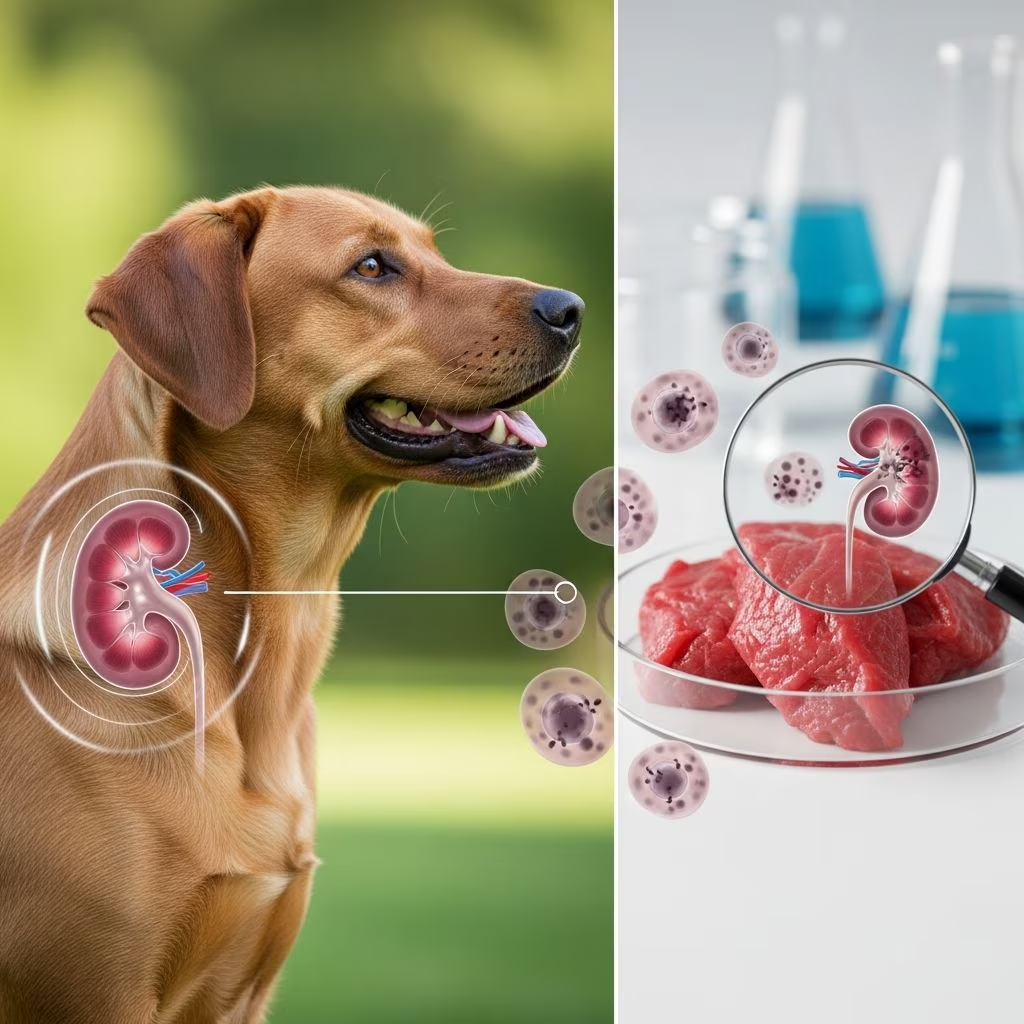
High levels of meat, especially red and processed varieties, may elevate kidney disease risk in dogs, similar to patterns observed in human studies where excessive red meat consumption correlates with chronic kidney disease (CKD) progression. While dogs are carnivores requiring protein, over-reliance on certain meats could strain renal function through mechanisms like increased dietary acid load and advanced glycation end products (AGEs). This article examines the evidence, myths, and practical feeding advice for optimal dog kidney health.
Understanding Canine Kidney Function Basics
Dogs’ kidneys filter waste, regulate fluids, and maintain electrolyte balance. Key markers include glomerular filtration rate (GFR), where values below 60 mL/min/1.73 m² signal CKD, as defined in human research adaptable to veterinary contexts. In dogs, early CKD often goes unnoticed until advanced stages, with symptoms like increased thirst, weight loss, and lethargy appearing late.
Protein metabolism produces urea and acids, which healthy kidneys excrete. However, excessive animal protein—particularly from red meat—generates higher acid loads, potentially accelerating damage in vulnerable dogs. A study of over 4,800 participants linked high red meat intake to 15-99% higher CKD odds, highlighting dose-dependent risks relevant to canine diets.
The Role of Protein Sources in Dog Nutrition
Dogs thrive on high-quality protein, but source matters. Animal proteins like beef and lamb provide complete amino acids but carry risks when overconsumed.
- Red Meat (Beef, Lamb): Linked to 40% higher end-stage renal disease (ESRD) risk in high-intake groups in a 15-year study of 63,000 adults. For dogs, frequent red meat may mimic this via phosphorus overload and acid production.
- Processed Meats: Highest CKD risk at 99% increased odds; nitrates and sodium exacerbate issues. Avoid in dog kibble or treats.
- Poultry and Fish: Safer alternatives; no significant ESRD association in studies. Eggs and dairy also pose lower risks.
- Plant Proteins: Legumes, grains reduce acid load and protect kidneys when substituted for meat.
Substitution benefits are clear: replacing one red meat serving with plant sources or low-fat dairy cuts CKD risk by up to 30%.
Scientific Evidence: Human Studies and Dog Parallels
While direct dog studies are limited, human data offers strong analogies due to similar renal physiology. The Tehran Lipid and Glucose Study (4,881 adults) found top-quartile red meat eaters had 73% higher CKD risk, processed at 99%. Another in Singapore (63,257 participants) showed 40% ESRD risk increase for highest red meat consumers.
| Study | Population | Key Finding | Risk Increase |
|---|---|---|---|
| Tehran Lipid Study | 4,881 adults | High red/processed meat | 73%/99% CKD odds |
| Singapore Chinese | 63,257 adults | Top red meat quartile | 40% ESRD risk |
| ARIC Study | 11,952 adults | High red meat quintile | 19-23% CKD risk |
Mechanisms include high phosphorus in meat binding with calcium, forming deposits; AGEs from high-heat cooking damaging nephrons. Dogs on raw or grilled meat diets may face amplified exposure.
Why Might Meat Strain Dog Kidneys?
Several pathways explain potential harm:
- Acid Load: Meat metabolism yields sulfuric acid, taxing kidneys; plant proteins are alkaline.
- Phosphorus Content: Red meat’s high levels promote hyperphosphatemia in CKD dogs.
- Inflammation from AGEs: Grilling or frying meat creates compounds worsening renal inflammation.
- Sodium and Nitrates: Processed meats spike blood pressure, a CKD precursor.
Interventional data supports shifts: plant protein addition reduced kidney injury markers in trials. For dogs, this suggests balanced diets mitigate risks.
Signs of Kidney Trouble in Dogs
Monitor for:
- Excessive urination/thirst
- Vomiting or diarrhea
- Bad breath (uremic)
- Appetite loss
- Pale gums
Early vet checks with bloodwork (BUN, creatinine) are crucial. Breeds like Shih Tzus, Lhasa Apsos prone to CKD need vigilant monitoring.
Safe Feeding Strategies for Kidney Health
Balance meat with variety:
- Limit red meat to 20-30% of protein calories.
- Prioritize chicken, turkey, fish.
- Incorporate veggies (green beans, carrots) for fiber and bases.
- Use phosphorus binders if prescribed.
- Hydrate: fresh water always.
For CKD dogs, low-protein (2-4% DM) diets with high-quality sources slow progression, per veterinary guidelines.
Debunking Myths: All Meat is Bad?
No—dogs need 18-25% protein (AAFCO). Issues arise from excess, poor quality, or imbalance. Poultry/fish don’t show same risks. Raw diets risk bacterial overload straining kidneys further.
Comparing Protein Sources for Dogs
| Protein Type | Acid Load | Phosphorus | CKD Risk (Human Analog) |
|---|---|---|---|
| Red Meat | High | High | High (40%) |
| Processed | High | High | Highest (99%) |
| Poultry/Fish | Moderate | Moderate | Low |
| Plant (Legumes) | Low | Low | Protective |
Practical Meal Plans
Healthy Adult Dog (20kg): 300g chicken, 100g fish, 200g veggies, 50g rice daily.
CKD Dog: Reduce to 150g egg whites, 300g low-phos veggies, omega-3 supplements.
Consult vets for tailoring.
FAQs
Can dogs eat beef safely?
In moderation, yes; limit to avoid phosphorus buildup.
Is raw meat better for kidneys?
No—raw risks infection; cooking reduces some AGEs but watch methods.
What if my dog has CKD?
Switch to renal diets low in protein/phosphorus.
Are plant proteins enough?
Combine with animal for completeness; plants aid kidney protection.
How much protein for puppies?
Higher (28%+), but diverse sources.
Prevention Tips
Annual bloodwork, weight control, avoid toxins (NSAIDs, grapes). Hydration key—fountains encourage drinking.
References
- Chronic Kidney Disease Again Tied to High Consumption of Red Meat — Renal and Urology News. 2020. https://www.renalandurologynews.com/news/chronic-kidney-disease-again-tied-to-high-consumption-of-red-meat/
- Red and Processed Meat Increases Kidney Disease Risk — Physicians Committee for Responsible Medicine. 2020. https://www.pcrm.org/news/health-nutrition/red-and-processed-meat-increases-kidney-disease-risk
- Is Dietary Red Meat Kidney Toxic? — National Center for Biotechnology Information (PMC). 2016-10-20. https://pmc.ncbi.nlm.nih.gov/articles/PMC5198296/
- Red meat consumption linked to kidney failure — Medical News Today. 2016-10-21. https://www.medicalnewstoday.com/articles/311664
- Red Meat CKD’s Greatest Enemy? — Renadyl. Accessed 2023. https://renadyl.com/blog/red-meat-kidneys-greatest-enemy/
- Keep Your Kidneys Healthy: 5 Foods To Avoid — National Kidney Foundation. Accessed 2023. https://www.kidney.org/kidney-topics/keep-your-kidneys-healthy-5-foods-to-avoid
- Study: How you cook meat can affect your kidney cancer risk — MD Anderson Cancer Center. 2020-05-19. https://www.mdanderson.org/cancerwise/study-how-you-cook-meat-can-affect-your-kidney-cancer-risk.h00-158992179.html



