

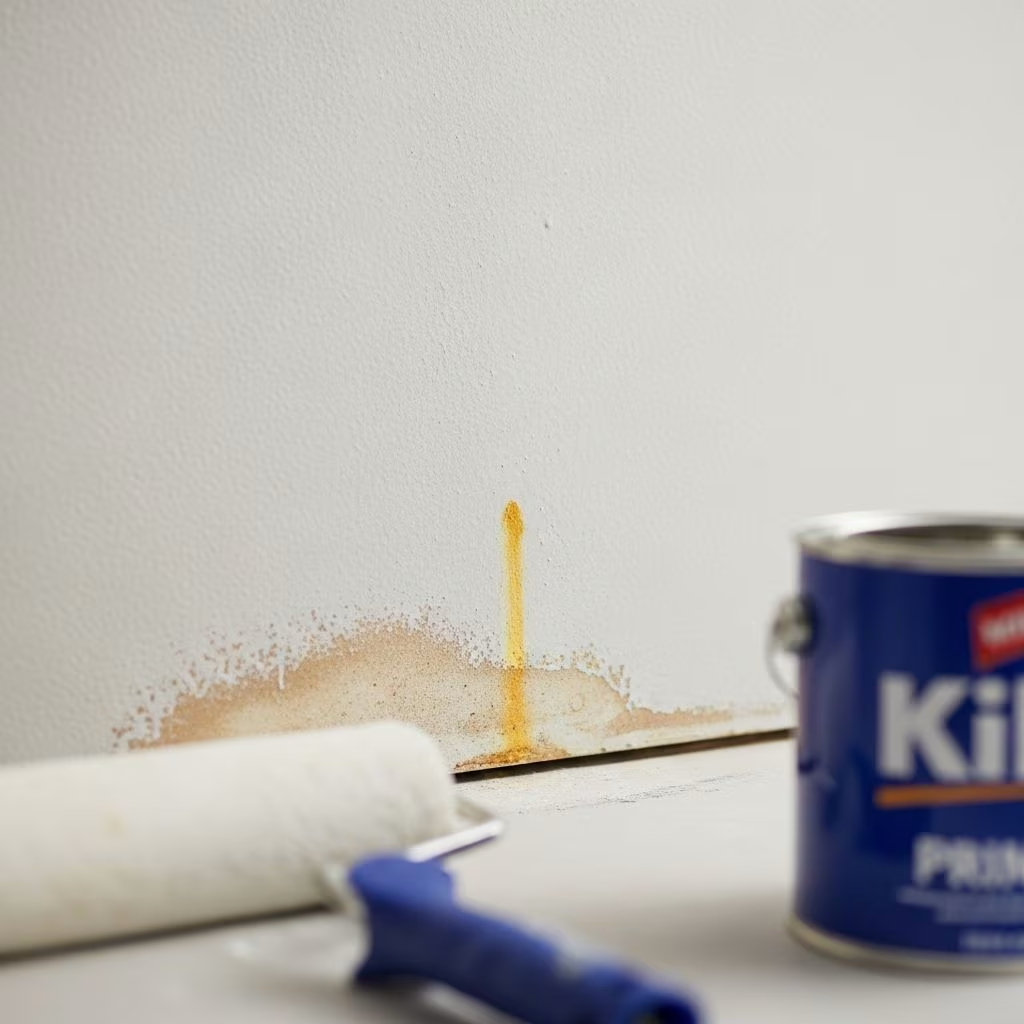
Cat urine odors pose a persistent challenge for pet owners due to the high concentration of uric acid crystals that embed deeply into surfaces like carpets, upholstery, and wood. Kilz, a popular primer known for blocking stains and smells, is often considered for masking these odors before painting. However, its success is limited because it primarily seals surfaces rather than neutralizing the organic compounds causing the scent. Enzymatic cleaners remain the gold standard for breakdown, while natural options like vinegar offer accessible alternatives.
Understanding the Challenge of Cat Urine Odors
Cat urine contains urea, creatinine, and uric acid, which crystallize upon drying and release ammonia-like smells triggered by moisture or heat. These crystals bond to porous materials, making simple wiping insufficient. Unlike dog urine, cat urine is more concentrated, amplifying the issue in multi-cat homes or with spraying behaviors linked to stress or territory marking.
- Porous surfaces like carpets trap crystals deep in fibers.
- Hard surfaces such as hardwood absorb into cracks and grout.
- Fabrics hold residues that reactivate with humidity.
Addressing the root cause requires products that digest proteins enzymatically, preventing reoccurrence.
Kilz Primer: Capabilities and Limitations
Kilz primers, including Original and Premium varieties, use oil- or water-based formulas to block tannins, nicotine, and minor odors. For cat urine, they can temporarily seal smells on sealed surfaces like painted walls but fail on unsealed porous areas. The primer’s blocking agents encapsulate odors but do not eliminate uric acid, which can migrate through paint over time, especially in high-traffic zones.
| Kilz Type | Best For | Effectiveness on Urine Odor | Drawbacks |
|---|---|---|---|
| Original (Oil-Based) | Walls, ceilings | Moderate; seals light odors | Strong fumes; not for fabrics |
| Premium (Water-Based) | Low-VOC needs | Low; less sealing power | Odor breakthrough on heavy stains |
| Restoration (Max Block) | Heavy stains | Best for urine; strong blocker | Requires multiple coats; pricey |
Test Kilz on a small area first, as it may not prevent underlying smells from resurfacing. Professionals recommend cleaning thoroughly before priming.
Superior Cleaning Methods Before Sealing
Painting over uncleaned urine guarantees failure. Start with extraction to remove as much residue as possible.
Enzymatic Cleaners: The Top Choice
These bio-based solutions contain enzymes and bacteria that consume uric acid and proteins. Brands like Nature’s Miracle or Woolite Pet Urine Eliminator are proven effective.
- Blot excess urine with paper towels.
- Saturate with enzymatic spray.
- Let sit 15-24 hours under plastic wrap for heavy stains.
- Blot and air dry; repeat if odor lingers.
Enzymatic action ensures odors do not return, outperforming masking agents.
Natural Household Remedies
For budget-friendly options, combine these safe, eco-conscious methods.
- Vinegar Solution: Mix 1:1 white vinegar and water. Spray, let sit 5-10 minutes, blot. Acidity neutralizes bacteria.
- Baking Soda Deodorizer: Sprinkle liberally post-vinegar, let absorb overnight, vacuum. Sodium bicarbonate traps odors.
- Hydrogen Peroxide Boost: 3% solution with dish soap for oxidation. Test for colorfastness; ideal for floors.
- Rosemary Oil Repellent: Blend with castile soap and alcohol to deter recats.
Avoid hot water, which sets proteins, and never mix bleach with vinegar due to toxic gas risks.
Surface-Specific Removal Strategies
Carpets and Rugs
Use a carpet cleaner with pet formulas containing oxidizers or probiotics. For DIY: vinegar soak, baking soda, then enzyme follow-up. Rent steam cleaners cautiously, opting for cold water.
Hardwood and Tile
Wipe with undiluted vinegar, rinse, dry immediately. Hydrogen peroxide for stubborn spots; seal cracks post-cleaning.
Upholstery and Clothing
Machine-wash fabrics in cold with baking soda and enzyme additive. Spot-treat upholstery per cleaner instructions.
Prevention: Stopping Future Accidents
Cleaning addresses symptoms; prevention tackles causes like litter box aversion or medical issues.
- Provide one box per cat plus one extra.
- Scoop daily; deep clean weekly with mild soap.
- Use pheromone diffusers for stress.
- Vet check for UTIs or diabetes.
- Deterrents: citrus peels, aluminum foil on problem spots.
Spay/neuter reduces spraying by 90% in many cases.
Comparing Kilz to Alternatives
| Method | Cost | Effectiveness | Longevity | Ease of Use |
|---|---|---|---|---|
| Kilz Primer | Medium | Moderate | Short-term | Requires painting |
| Enzymatic Cleaner | Low-Medium | High | Long-term | Simple |
| Vinegar + Baking Soda | Very Low | Medium | Medium | DIY friendly |
| Professional Service | High | Very High | Permanent | Hands-off |
Enzymatics win for most households due to targeted action.
Frequently Asked Questions
Will cat urine smell return after Kilz?
Yes, if not fully cleaned first, as uric crystals persist beneath the primer.
Is vinegar safe for all surfaces?
Generally yes, but test on fabrics and avoid natural stone like marble, which etches.
How long do enzymatic cleaners take?
10-24 hours for full effect; patience yields results.
Can I use bleach on cat urine?
No; it worsens ammonia smells and risks health.
What if odors persist after cleaning?
Blacklight reveals hidden spots; consider UV tools or pros with ozone machines.
Expert Tips for Lasting Results
Combine methods: enzyme clean, deodorize with soda, then seal only if repainting. Maintain low humidity to prevent reactivation. Track patterns via apps or journals to address behavioral triggers. For severe cases, replace subflooring or padding.
Pet ownership brings joy but demands vigilance against odors. Prioritize enzymatic treatments over primers like Kilz for true elimination.
References
- 4 All-Natural Cat Urine, Odor, and Stain Removers — Ecolife. Accessed 2026. https://www.ecolife.com/learn/natural-cat-urine-stain-odor-remover
- How to Remove Cat Urine Smell for Good — ServiceMaster Clean. 2022-06. https://www.servicemasterclean.com/servicemaster-of-kalamazoo/tips-and-resources/local-blog/2022/june/how-to-remove-cat-urine-smell-for-good/
- How to Remove Dog and Cat Urine Smell from Carpet — BISSELL. Accessed 2026. https://www.bissell.com/en-us/blog/how-to-remove-dog-and-cat-urine-smell-from-carpet/
- How To Get Rid of Cat Pee Smell From Carpet, Clothes and More — Chewy. Accessed 2026. https://www.chewy.com/education/cat/pet-parenting/how-to-get-rid-of-cat-pee-smell
- DIY Cat Stain & Odor Remover That Actually Works — Hill’s Pet Nutrition. Accessed 2026. https://www.hillspet.com/cat-care/routine-care/diy-cat-stain-odor-remover
- 8 Best Cat Urine Removers Tested and Reviewed — Cats.com. Accessed 2026. https://cats.com/best-cat-urine-remover



