

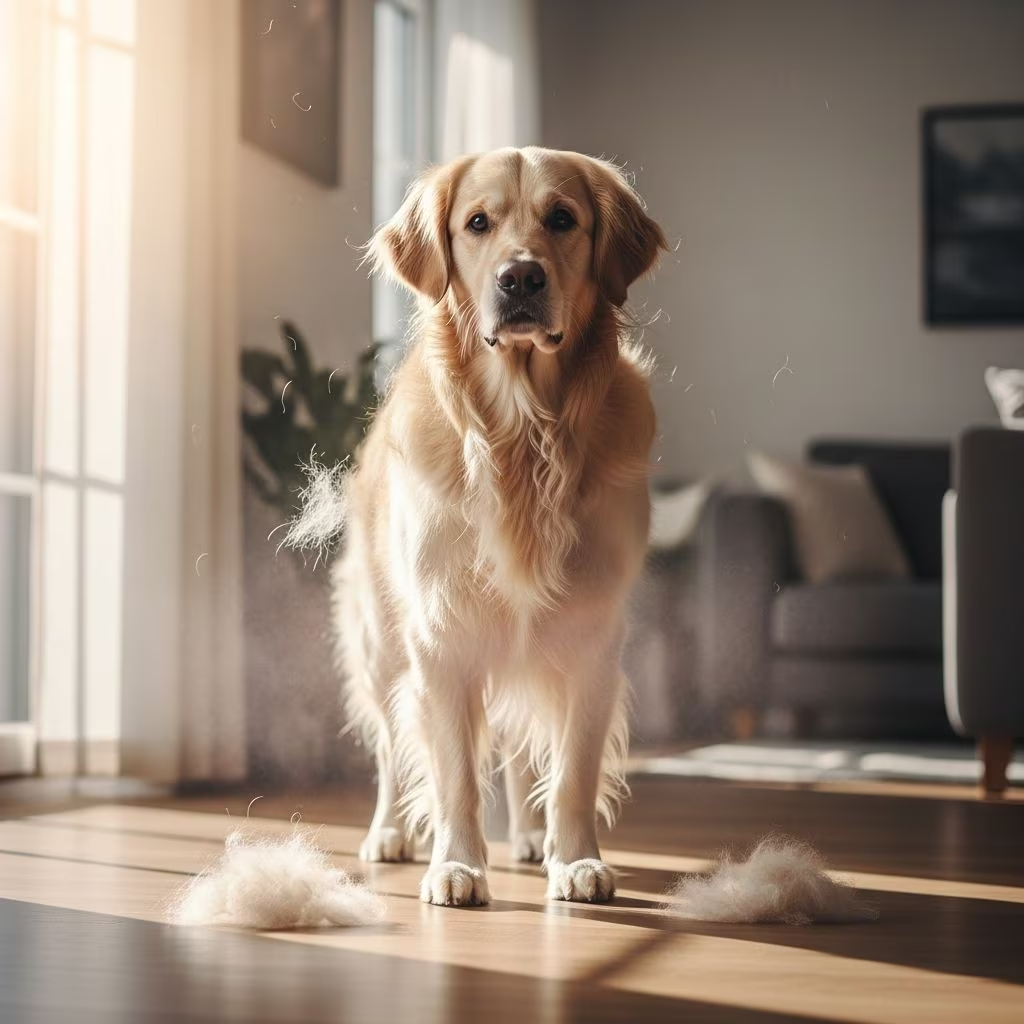
Female dogs do not typically shed significantly more during their heat cycles compared to normal seasonal shedding patterns driven by daylight and temperature changes. Shedding remains primarily a seasonal response in most breeds, though hormonal fluctuations during estrus can occasionally contribute to minor increases in fur loss.
The Fundamentals of Canine Coat Cycles
Dogs maintain their coats through natural growth phases influenced by environmental cues and genetics. Each hair follicle cycles between growth (anagen), transition (catagen), and resting (telogen) stages, with shedding occurring as old hairs are pushed out by new growth. This process ensures the coat adapts to seasonal demands, such as thicker winter insulation or lighter summer coverage.
Breeds with double coats, like Huskies or Golden Retrievers, experience pronounced shedding twice yearly, often called “blowing coat,” where the dense undercoat is shed en masse. Single-coated breeds, such as Poodles, shed minimally year-round due to continuous hair growth similar to human hair.
Seasonal Influences on Fur Loss
**Spring Fur Transition**
In spring, lengthening days and warming temperatures trigger the release of winter undercoat. Hormonal shifts, including increased melatonin sensitivity to daylight, signal follicles to prioritize lighter fur. This shedding can persist for 4-6 weeks, filling homes with fur tufts.
**Fall Coat Preparation**
Autumn brings shorter days and cooler air, prompting summer coat shedding to grow insulating layers. Reduced daylight lowers melatonin, advancing the growth of dense undercoat and topcoat for winter protection.
| Season | Trigger | Typical Duration | Breeds Most Affected |
|---|---|---|---|
| Spring | Increasing daylight, rising temps | 4-6 weeks | Double-coated (e.g., Corgis, Labs) |
| Fall | Decreasing daylight, cooling temps | 3-5 weeks | Northern breeds (e.g., Huskies, Malamutes) |
Hormonal Factors: Heat Cycles in Female Dogs
The canine estrous cycle, or heat, occurs roughly every 6-12 months, starting at 6-24 months of age depending on breed size. It includes proestrus (bleeding, 7-10 days), estrus (fertile period, 5-10 days), diestrus (hormone stabilization), and anestrus (rest, 4+ months).
Hormone surges like estrogen and progesterone during heat primarily affect reproductive organs, with minimal direct impact on coat cycles. However, some owners report slightly increased shedding in intact females during heat, possibly due to stress or secondary skin changes from fluctuating hormones. This is not a primary driver; seasonal photoperiod remains dominant.
- Proestrus: Bloody discharge; minor fur loss possible from restlessness.
- Estrus: Peak fertility; no major shedding spike observed in studies.
- Post-Heat: Uterine involution may indirectly influence coat health via nutrition demands.
Spayed females avoid heat cycles entirely, potentially leading to more consistent year-round shedding without hormonal interruptions.
Genetics and Breed-Specific Shedding Patterns
Genes like MC5R influence sebum production and shedding intensity in non-wiry coats, explaining why Akitas shed heavily while Boxers moderate. Double-coated breeds shed most dramatically seasonally, while indoor dogs exposed to constant light shed continuously.
- Heavy shedders: Siberian Huskies, German Shepherds.
- Moderate: Labrador Retrievers, Golden Retrievers.
- Low: Poodles, Bichons, Xoloitzcuintlis.
Recognizing Normal vs. Excessive Shedding
Normal shedding leaves fur on furniture after lounging or brushing. Excessive signs include bald patches, skin redness, or sudden increases outside seasons, signaling allergies, poor diet, parasites, or thyroid issues.
During heat, watch for combined symptoms like lethargy or appetite changes, but shedding alone rarely indicates problems.
Effective Grooming Strategies Year-Round
Proactive care minimizes fur buildup:
- Daily Brushing: Use slicker brushes for short coats, undercoat rakes for doubles.
- Bathing Schedule: Every 4-6 weeks with oatmeal shampoos; more during peaks.
- Deshedding Tools: Furminators or shedding blades remove 90% undercoat safely.
- Nutrition Boosts: Omega-3 supplements support skin health, reducing loose fur.
- Vacuuming Aids: Pet hair rollers and HEPA vacuums control household fur.
For heat periods, gentle wiping reduces loose fur without stressing the dog.
Indoor vs. Outdoor Dogs: Light Exposure Impact
Artificial lighting disrupts natural cycles, causing year-round shedding in 47% of indoor dogs. Outdoor dogs sync better with seasons, shedding predictably. Provide natural light exposure or dim evenings to mimic outdoors.
Professional Grooming Benefits
Salon visits every 6-8 weeks during peaks use high-velocity dryers to blast out undercoat, reducing home shedding by weeks. Vets recommend checks for underlying issues during heavy sheds.
FAQ
Do all female dogs shed more in heat?
No, heat rarely causes notable increases; seasonal factors dominate.
How long does seasonal shedding last?
Typically 4-6 weeks in spring, 3-5 in fall.
Can diet reduce shedding?
Yes, omega fatty acids improve coat quality.
Does spaying stop shedding?
No, but it eliminates heat-related minor fluctuations.
What if shedding is sudden and patchy?
Consult a vet for allergies or illness.
Long-Term Coat Health Tips
Maintain hydration, as it supports skin elasticity and reduces dry fur fallout. Regular exercise promotes circulation for healthy follicles. Embrace shedding as thermoregulation—it’s essential for your dog’s comfort.
References
- Dog Estrous Cycles — Cornell University College of Veterinary Medicine. 2023. https://www.vet.cornell.edu/departments-centers-and-institutes/riney-canine-health-center/canine-health-topics/dog-estrous-cycles
- Dog Shedding Explained — Embarkvet. 2024. https://embarkvet.com/resources/dog-shedding-explained/
- Dog Shedding: What to Expect And How to Manage It — American Kennel Club. 2025-01-15. https://www.akc.org/expert-advice/health/dog-shedding-what-to-expect-and-how-to-manage-it/
- Fur Seasons: Understanding Your Dog’s Shedding Cycles — Fitwarm. 2024-09-10. https://www.fitwarm.com/blogs/news/understanding-dog-shedding-cycles
- Seasonal Dog Shedding: 7 Tips to Keep it Under Control — Pet Honesty. 2024. https://www.pethonesty.com/blogs/blog/7-tips-to-control-seasonal-shedding



