

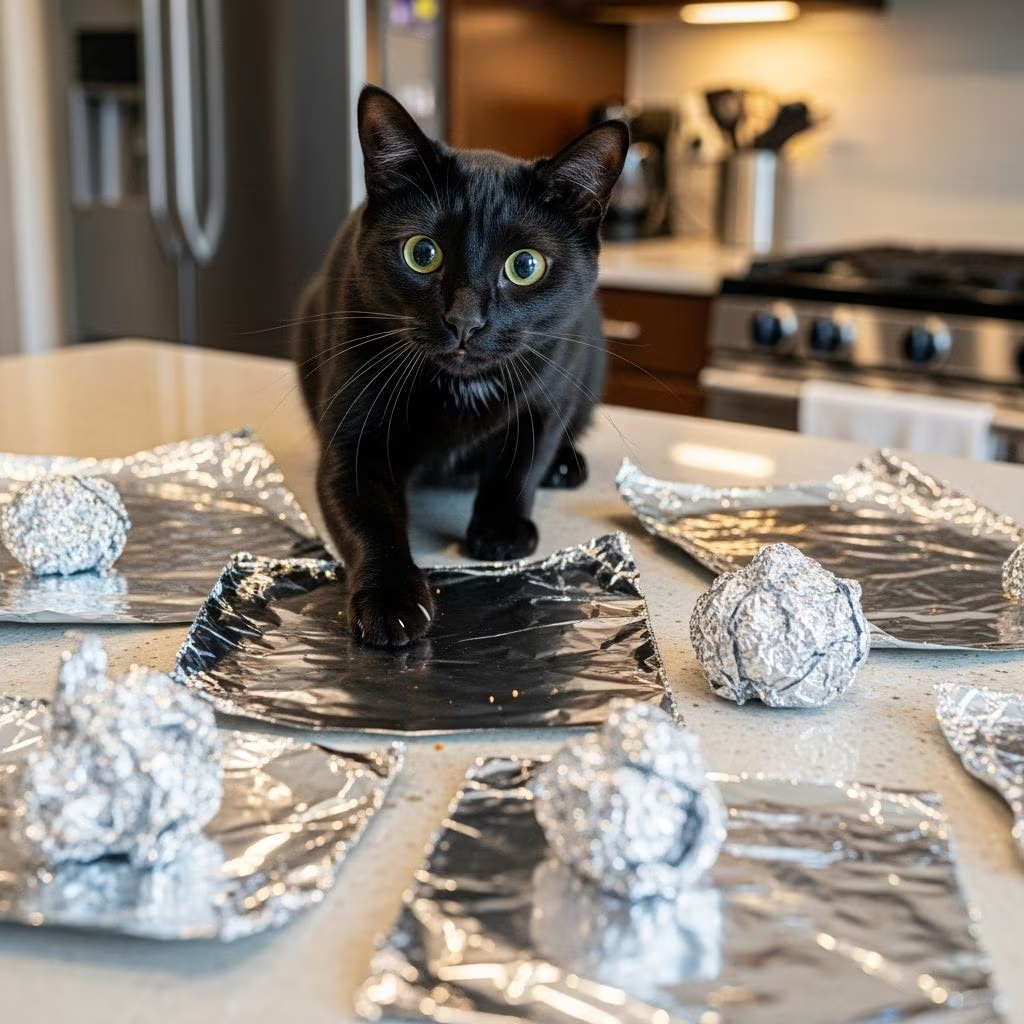
Aluminum foil is a popular household hack for discouraging cats from leaping onto kitchen counters, but its effectiveness is short-lived and often counterproductive. Cats typically react negatively to the crinkly sound and unstable texture at first, prompting them to avoid treated areas temporarily. However, most felines quickly habituate, rendering the method unreliable for sustained behavior change.
The Sensory Appeal (or Repulsion) of Foil to Cats
Cats possess highly sensitive paw pads equipped with thousands of nerve endings that detect subtle vibrations, textures, and temperatures. When a cat steps on aluminum foil, the material yields unpredictably under their weight, creating a sensation of instability that triggers an innate flight response. This discomfort is amplified by the sharp, high-pitched crinkling noise produced as the foil shifts, which can overwhelm a cat’s acute hearing—far superior to humans’ in the upper frequency ranges.
Visual cues also play a role. The foil’s shiny, reflective surface may mimic liquid water or ice to an unaccustomed cat, evoking hesitation since most domestic cats instinctively avoid wet surfaces to keep their fur dry. Experiments, such as covering hallways with foil, demonstrate this: many cats refuse to cross, opting instead to retreat or vocalize in frustration. Yet, individual variation exists; bolder cats may paw at the foil curiously before adapting.
Short-Term Wins and Long-Term Losses
Initially, foil can provide quick deterrence. Placing sheets over counters before events like holidays prevents fur contamination or knocked-over dishes. Pet owners report success in these scenarios, where removal after a few days aligns with the goal.
However, problems arise swiftly:
- Habituation**: Cats adapt within days, learning the foil poses no real threat. Repeated exposure desensitizes them to both texture and sound.
- Stress Induction**: The startling effect elevates cortisol levels, potentially leading to anxiety-related issues like overgrooming, aggression, or redirected scratching.
- Behavior Displacement**: Denied one spot, cats simply choose another—perhaps a sofa or bedding—exacerbating the issue elsewhere.
- Inconsistency**: Not all cats react; some ignore it entirely, especially if motivated by hunger or curiosity.
A table summarizing foil’s pros and cons illustrates this clearly:
| Aspect | Pros | Cons |
|---|---|---|
| Effectiveness | Immediate aversion in 70-80% of cases | Habituation in 1-7 days |
| Cost | Very low | Messy cleanup, frequent replacement |
| Impact on Cat | Temporary deterrent | Potential stress and fear |
| Longevity | Event-specific use | No behavior modification |
Understanding Why Cats Target Counters
To address counter-jumping, identify root causes. Cats view elevated surfaces as prime real estate for surveying territory, warmth from appliances, or access to food scents. Boredom, lack of vertical space, or medical issues like hyperthyroidism can intensify this. Observe patterns: does jumping occur post-meals, during playtime, or when alone? This informs targeted solutions.
Proven Alternatives to Foil Deterrents
Humane, positive reinforcement strategies outperform scare tactics by fulfilling cats’ needs and reshaping habits.
Environmental Enrichment
Install cat trees, wall shelves, or window perches to offer appealing high spots away from counters. Interactive toys like feather wands redirect energy, reducing mischief.
Training Techniques
Use clicker training: Reward counter avoidance with treats or praise. Consistency is key—gently lift and place on the floor, then reward floor play. Sessions of 5-10 minutes daily yield results in weeks.
Physical Barriers
Consider pet-safe options like sticky mats (e.g., double-sided tape alternatives) or motion-activated air puffers. These provide mild discomfort without noise overload. For outdoor parallels, specialized fences prevent escapes effectively, hinting at adaptable indoor barriers.
Addressing Medical Factors
Rule out health issues with a vet visit. Clean litter boxes daily (one per cat plus one extra) prevent elimination on surfaces.
Here’s a comparison of alternatives:
| Method | Effectiveness | Cost | Stress Level |
|---|---|---|---|
| Foil | Low (short-term) | $1-5 | High |
| Cat Tree | High | $50-200 | Low |
| Clicker Training | High | $10 | None |
| Sticky Mats | Medium | $20 | Medium |
DIY Solutions for Everyday Protection
Protect surfaces proactively: Use washable rugs under litter areas or waterproof covers on furniture. These absorb accidents without punishing the cat, minimizing cleanup. Scent deterrents like citrus sprays (cats dislike strong smells) offer non-visual options.
Case Studies from Cat Owners
Real-world feedback reinforces alternatives. One owner installed vertical spaces, noting reduced counter visits within a month. Another used training for a persistent jumper, achieving compliance without stress. Videos of foil experiments show varied reactions, underscoring unpredictability.
FAQs
Why do some cats ignore foil?
Braver or previously exposed cats habituate faster, viewing it as harmless.
Is foil safe for cats?
Yes, non-toxic, but avoid ingestion risks from small pieces.
How long does foil work?
Typically 1-3 days before adaptation.
What if my cat pees on counters?
Check litter setup and vet health; use protective pads meanwhile.
Best permanent fix?
Enrichment plus training addresses instincts directly.
Expert Insights on Feline Behavior
Veterinarians emphasize sensory overload from foil: unstable footing and noise mimic threats. Behaviorists advocate need-based approaches over punishment, promoting harmony in multi-species homes.
In summary, while foil offers a momentary fix, sustainable counter freedom comes from understanding and enriching your cat’s world. Implement changes gradually for best results.
References
- Skip The Aluminum Foil For Your Cat — Class Act Cats. 2023. https://classactcats.com/blog/cats-and-aluminum-foil/
- Does Aluminum Foil Work to Keep Cats Off the Counter? — Purrfect Fence. 2023. https://www.purrfectfence.com/blogs/news/does-aluminum-foil-work-to-keep-cats-off-the-counter-and-other-surfaces
- Vets Explain What Makes Cats Flip Out Over Aluminum Foil — Upworthy. 2023. https://www.upworthy.com/veterinarians-explain-what-makes-cats-literally-flip-out-over-aluminum-foil
- Do Cats Walk On Foil? An Experiment — CatPusic Team (YouTube). 2019-12-13. https://www.youtube.com/watch?v=Rz_bPU8sr3o



