

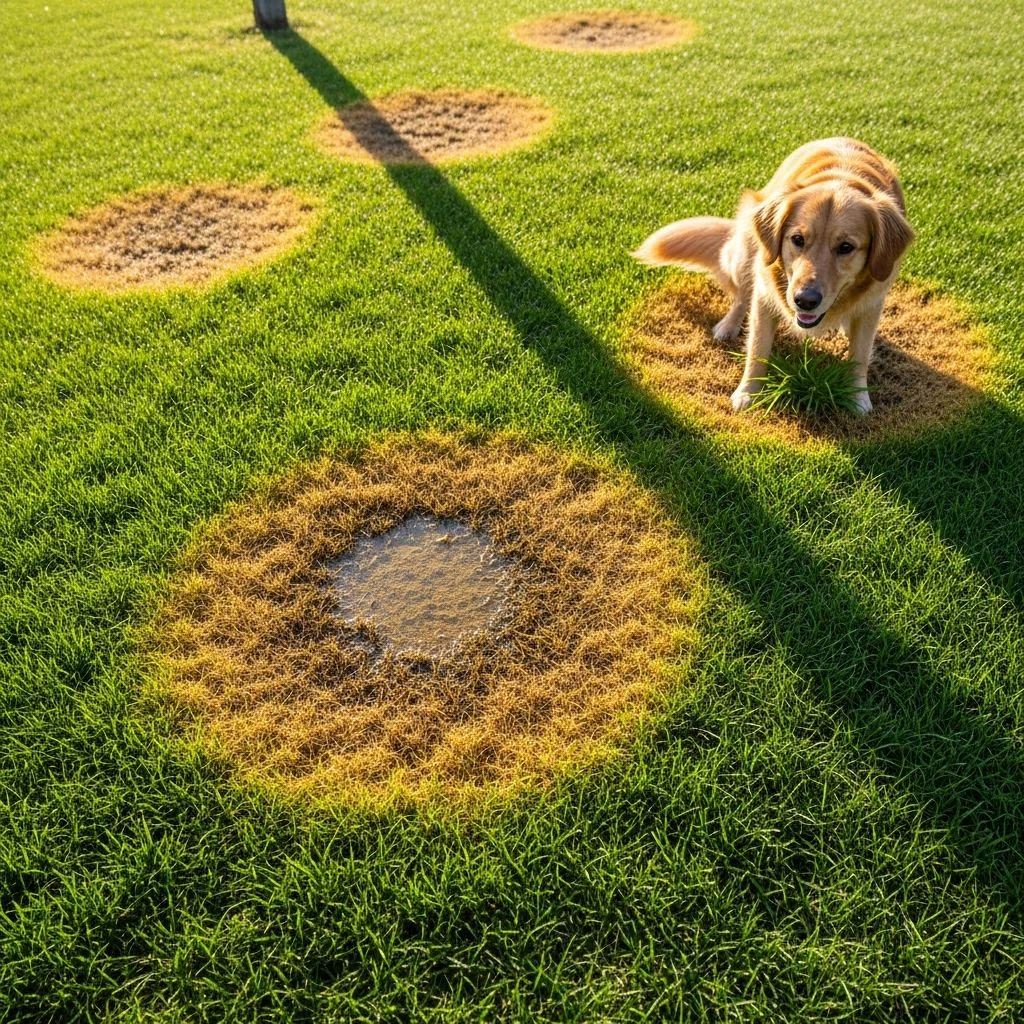
Dog urine can damage grass by creating brown, dead spots surrounded by dark green halos, primarily due to high concentrations of nitrogen and salts deposited in a small area.
This common issue affects lawns worldwide, frustrating pet owners who want both a healthy yard and a happy dog. While not all urine spots kill grass outright, severe cases lead to bare patches that invite weeds and require intervention. Understanding the science behind this phenomenon empowers owners to mitigate damage effectively.
Why Does Dog Pee Kill Grass?
Dog urine contains nitrogen from protein metabolism, along with urea, uric acid, salts, and other compounds that “burn” grass when concentrated. A single urination delivers the nitrogen equivalent of a heavy fertilizer dose to a tiny lawn area, overwhelming the turf.
Excess nitrogen initially causes rapid growth and dark green rings around the spot, but the center dies from salt dehydration and toxicity, especially on dry or stressed lawns. Unlike fertilizer, which spreads evenly, urine focuses damage precisely where the dog squats or lifts its leg.
- Nitrogen overload: Builds up from high-protein diets, filtered by kidneys into urine.
- Salt concentration: Dehydrates grass roots, mimicking drought stress.
- Localized impact: Females and squatting males create smaller, more intense spots than standing males.
Dogs on dry food or low-water diets produce more concentrated urine, worsening damage. Well-hydrated dogs dilute nitrogen levels, reducing harm.
The Science Behind Dog Urine Spots
Dog urine comprises about 95% water, with the rest being urea (nitrogen source), uric acid, creatinine, lactic acid, and bilirubin. When it hits grass, nitrogen fertilizes peripherally but “scorches” the core like over-fertilization.
Soil conditions amplify effects: dry soil retains salts longer, hot weather stresses turf, and inactive growth seasons (e.g., winter for warm-season grasses) slow recovery. Nitrogen-deficient lawns show greener halos more prominently, while over-fertilized ones suffer quicker burns.
Studies confirm urine pH (typically 6-7, mildly acidic to neutral) is not the primary culprit—nitrogen and salts are. Damage severity varies by urine volume (1-2 cups per void) and frequency on the same spot.
Does Dog Pee Always Kill Grass?
Not always—mild cases show only dark green spots without death, especially on fertile, irrigated lawns. Severe burns occur on stressed turf: dry, compacted, or nutrient-imbalanced soil.
Grass types influence resilience. Spreading varieties naturally fill gaps faster than bunching types. Frequency matters: repeated urination in one area compounds damage, creating persistent craters 3-6 inches wide.
| Factor | Increases Damage | Reduces Damage |
|---|---|---|
| Diet | High protein, low water | Balanced protein, high water intake |
| Lawn Health | Dry, under-fertilized, hot weather | Well-watered, properly fertilized, cool/moist |
| Urination Style | Squatting (localized) | Standing/leg-lift (spread out) |
| Grass Type | Kentucky bluegrass, Bermuda | Fescue, ryegrass |
Signs of Dog Urine Damage on Your Lawn
Early signs include taller, darker grass blades in irregular patches, signaling nitrogen surge. Advanced damage reveals straw-colored dead centers (3-6 inches diameter) ringed by vibrant green halos—the classic “urine spot.”
- Mild: Uniform dark green disruption, no browning.
- Moderate: Yellowing or wilting at edges.
- Severe: Brown, bare craters; weed invasion follows as canopy opens.
Spots linger weeks to months without treatment, depending on grass vigor and climate. Test by excluding dog access—if spots cease, urine is confirmed.
How to Prevent Dog Pee from Killing Your Grass
Proactive strategies dilute nitrogen, redirect urination, and bolster lawn resilience.
Train Your Dog to Pee in Designated Areas
Designate a gravel, mulch, or potted plant zone away from prime lawn. Use treats and commands like “potty here” for consistency. Low-visibility backyard corners work well.
Dilute Urine Immediately
Hose or water spots within 4-8 hours post-urination using 1-2 gallons per spot to leach salts and nitrogen. Automate with soaker hoses or motion sprinklers for heavy traffic areas.
Diet and Hydration Adjustments
Switch to lower-protein foods (20-25% vs. 30%+) and ensure constant fresh water access to dilute urine. Avoid supplements claiming to “neutralize” urine—they lack evidence and may harm health.
Lawn Care Best Practices
- Use low-nitrogen, slow-release fertilizers to avoid overload.
- Irrigate deeply but infrequently for salt flushing.
- Aerate soil annually to improve drainage.
- Mow high (3-4 inches) for shade and drought tolerance.
Best Grass Types for Dog Urine Resistance
Choose resilient cultivars matching your climate.
| Grass Type | Season | Resistance Level | Notes |
|---|---|---|---|
| Tall Fescue | Cool | High | Tolerates nitrogen, deep roots; recovers fast. |
| Perennial Ryegrass | Cool | High | Quick establishment, nitrogen tolerant. |
| Bermudagrass | Warm | Medium-High | Spreading habit fills spots naturally. |
| Zoysiagrass | Warm | Medium-High | Dense growth resists urine burn. |
| Kentucky Bluegrass | Cool | Low | Sensitive; avoid if multiple dogs. |
For mixed climates, blend fescue/rye for durability. Seed new lawns with urine-resistant mixes.
Repairing Dog Urine Spots on Your Lawn
Act quickly: water deeply to flush salts, then reseed or sod.
- Flush: Soak with hose for 10-15 minutes daily x 1 week.
- Remove dead: Rake out brown thatch.
- Loosen soil: Aerate or till lightly; add topsoil if needed.
- Seed: Use matching grass; top with straw mulch. Water lightly 2x/day.
- Fertilize lightly: Starter formula post-germination.
Spreading grasses like Bermuda recover in 2-4 weeks; others may need sodding. Prevent re-damage by blocking access during regrowth.
Diet Changes and Supplements: Do They Work?
Lower-protein kibble reduces nitrogen but consult vets for nutritional balance. Water additives increase intake but risk UTIs or unproven efficacy. No additive fully prevents spots—dilution and training outperform.
Avoid myths: pH-altering products ignore root causes (nitrogen/salts).
FAQs
Will watering after my dog pees prevent damage?
Yes, diluting spots within hours significantly reduces burns by flushing nitrogen and salts.
Is dog pee damage worse in summer?
Yes, heat and dry soil exacerbate salt buildup and stress, worsening spots.
Can I train my female dog to lift her leg?
Some females learn, spreading urine to lessen concentration, but success varies.
How long do urine spots take to heal?
Weeks to months; spreading grasses recover faster without reseeding.
Does grass seed exist specifically for dog urine?
Resistant blends like fescue-heavy mixes exist; no “immune” seed.
References
- Dogs and Turfgrass Interactions — NC State Extension. 2018. https://content.ces.ncsu.edu/dogs-and-turfgrass-interactions
- How To Keep Dog Pee From Ruining Your Lawn — PetMD. 2023. https://www.petmd.com/dog/general-health/how-to-keep-dog-pee-from-ruining-lawn
- Dog Urine Damage on Lawns: Causes, Cures and Prevention — Colorado State University Extension. 2022. https://cmg.extension.colostate.edu/Gardennotes/553.pdf
- Urine Scalding on Grass — VCA Animal Hospitals. 2024. https://vcahospitals.com/know-your-pet/urine-scalding-on-grass
- How to Fix Dog Urine Spots on Lawns — Pennington Seed. 2023. https://www.pennington.com/all-products/grass-seed/resources/healthy-lawns-and-happy-dogs



