

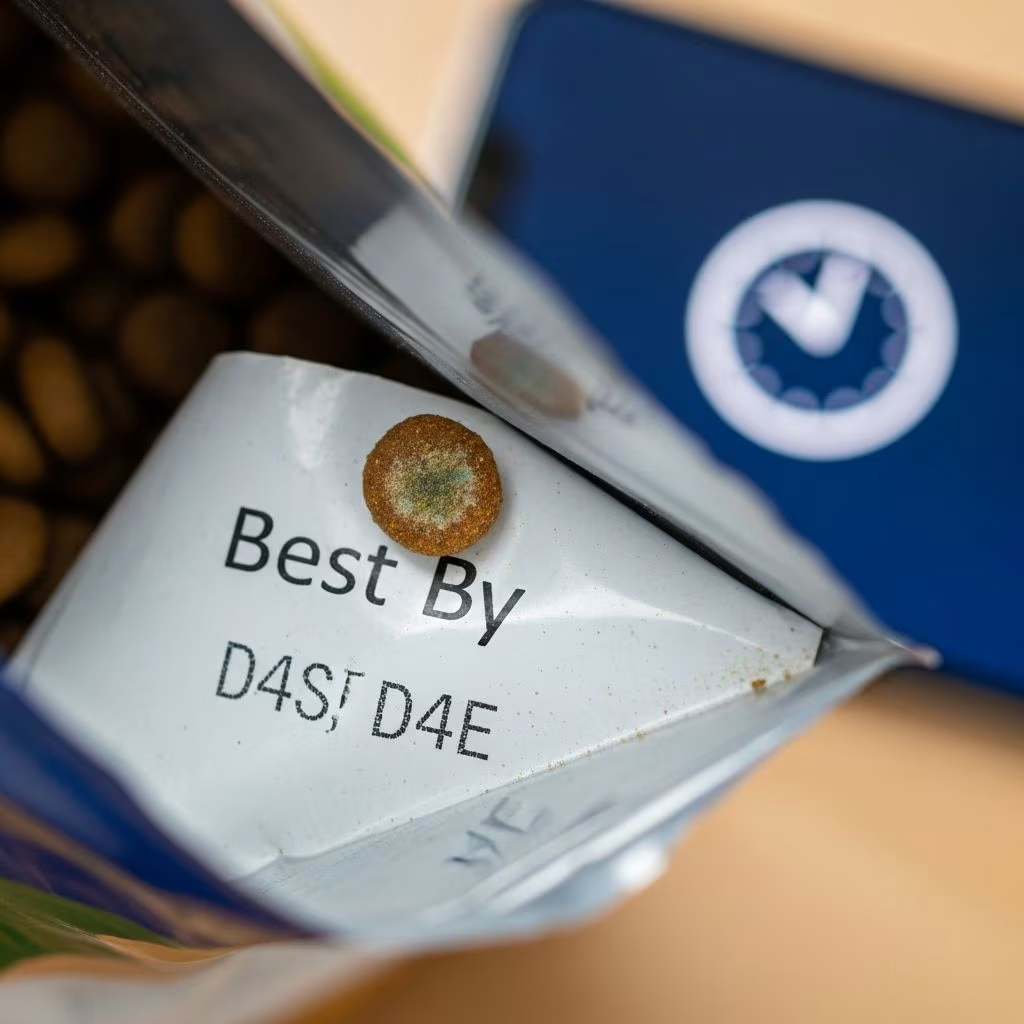
Dog food, whether dry kibble, canned patties, or fresh meals, has a finite shelf life determined by manufacturing processes, preservatives, and storage conditions. All types eventually degrade in quality and safety, making it crucial for pet owners to monitor dates and environmental factors.
Understanding Expiration Labels on Dog Food Packaging
Pet food labels feature dates like “best by,” “use by,” or production codes, each signaling different aspects of freshness. A best by date marks peak nutritional value and flavor, while an expiration date indicates safety limits. Production dates require checking manufacturer guidelines, often adding 12-18 months for usability. U.S. regulations do not mandate manufacture dates, complicating tracking.
These labels guide unopened packages; opening exposes contents to air, moisture, and contaminants, accelerating breakdown. Always locate these near barcodes or bag seams for reference.
Shelf Life Breakdown by Dog Food Type
Different formulations vary widely in longevity due to moisture content, processing, and preservatives. Low-moisture kibble endures longer than high-water wet foods.
| Food Type | Unopened Shelf Life | Opened Shelf Life | Ideal Storage |
|---|---|---|---|
| Dry Kibble | 12-18 months from manufacture | 4-8 weeks | Cool, dry place under 80°F |
| Canned Wet Food | 2-3 years | 2-5 days refrigerated | Cool, dry; fridge post-opening |
| Fresh/Refrigerated | 3-7 days opened; months frozen | Up to 5 days thawed | Fridge or freezer |
| Freeze-Dried Raw | 12-24 months | 2-4 weeks | Cool, dry place |
| Air-Dried/Dehydrated | 12-24 months | 6-8 weeks | Cool, dry under 80°F |
Dry foods benefit from low water activity preventing bacterial growth, while wet varieties rely on sterilization but spoil rapidly post-opening. Natural preservative formulas shorten these windows compared to synthetic ones.
Why Dog Food Degrades Over Time
Even sealed, dog food faces oxidation of fats, vitamin loss, and microbial risks. High temperatures above 80°F or humidity hastens rancidity in oils, reducing palatability and nutrition. Opened bags lose protective nitrogen flushing, inviting pests and mold.
Fresh foods, with minimal processing, support probiotics but demand swift consumption to avoid pathogen proliferation. Freezing halts but doesn’t reverse this process.
Impact of Preservatives and Processing
Chemical preservatives like BHA extend life beyond natural options such as tocopherols. Sterilized canned goods resist spoilage until breached, but dents compromise seals. Freeze-drying removes moisture effectively, mimicking kibble durability.
Spotting Spoiled Dog Food: Key Warning Signs
- Unusual odors: Rancid, sour, or chemical smells indicate fat oxidation.
- Visual changes: Discoloration, mold spots, or clumping in dry food; bulging/swollen cans signal gas-producing bacteria.
- Texture shifts: Soggy kibble or separated wet food layers.
- Pest evidence: Weevils, mites, or webbing in bags.
- Taste refusal: Dogs rejecting familiar meals often signals off flavors.
When doubtful, discard to prevent digestive upset or toxicity. Veterinary input is wise if ingestion occurred.
Optimal Storage Strategies for Every Food Type
Proper storage preserves nutrients and safety. Key principles include airtightness, temperature control below 80°F, low humidity, and darkness.
Dry Kibble Best Practices
- Transfer to hard-sided, airtight containers immediately after opening.
- Avoid original bags long-term; they lack durability.
- Store in pantries away from stoves or sunlight.
- Use scoopers kept clean and dry.
Handling Wet and Canned Foods
- Refrigerate opened cans in airtight glass/plastic; consume within days.
- Inspect for dents, rust, or leaks before purchase.
- Portion into smaller containers to minimize air exposure.
Fresh, Raw, and Frozen Options
- Freeze in original packaging or vacuum-seal for months-long viability.
- Thaw in fridge only; never at room temperature.
- Use within 5 days post-thaw; label with dates.
For all types, buy smaller quantities matching consumption rates to minimize aging stock.
Does Unopened Dog Food Ever Go Bad?
Yes, even unopened products degrade. Sealed barriers falter against time, with fats oxidizing and nutrients like vitamins A and E diminishing. Extreme storage flaws like heat or floods accelerate this. Always heed dates; post-best-by unopened kibble may last months nutritionally but risks quality drop.
Extending Shelf Life with Freezing and Other Tricks
Freezing suits fresh/raw foods, extending usability to 6 months unthawed. Avoid refreezing thawed portions. For kibble, short-term fridge storage works in humid climates but may introduce moisture. Vacuum-sealing opened dry food or adding oxygen absorbers innovatively prolongs freshness, though not standard.
Health Risks of Feeding Expired or Spoiled Food
Outdated food risks salmonella, mold toxins like aflatoxins, or nutritional shortfalls leading to deficiencies. Symptoms include vomiting, diarrhea, lethargy, or long-term organ strain. Puppies, seniors, and immunocompromised dogs face amplified dangers. Quality decline means incomplete diets, potentially causing skin issues or poor coat.
FAQs on Dog Food Freshness
Can I feed dog food past its best by date?
Possibly for unopened dry food up to months beyond if stored ideally, but inspect thoroughly. Opened food demands stricter adherence.
How do I find the manufacture date on kibble?
Look for 4-digit codes (e.g., 0123 = Jan 23) on bags; consult brand websites for decoding.
Is it safe to buy dented cans of wet dog food?
No; discard dented, especially seam-damaged ones, to avoid bacterial risks.
Does natural dog food expire faster?
Yes, lacking synthetic preservatives, it shortens shelf life significantly.
What if my dog ate spoiled food?
Monitor for distress; contact a vet promptly if symptoms appear.
Practical Tips for Buying and Managing Dog Food Stock
Shop at high-turnover stores for fresher stock. Note production codes at purchase. Rotate inventory FIFO (first in, first out). For bulk buyers, split into weekly portions pre-portioned and frozen where applicable. Educate on label reading to empower informed choices.
Invest in quality storage: stainless steel bins with gamma lids for kibble, silicone lids for cans. Humidity absorbers in pantries combat moisture. Track openings with labels including dates.
Choosing Long-Lasting Dog Food Options
Opt for brands transparent on dates and preservatives. Lower-fat formulas resist rancidity better. Shelf-stable fresh foods bridge convenience and nutrition without ultra-short lives. Test small bags first to gauge palatability over time.
References
- Does Dog Food Go Bad? How To Know, and How To Stop It — Rover.com. 2023. https://www.rover.com/blog/know-dog-food-spoiled-prevent/
- The Scoop on Pet Food Expiration Dates — Community Cats Podcast. 2024. https://www.communitycatspodcast.com/the-scoop-on-pet-food-expiration-dates/
- Does Dog Food Expire? What to Know — JustFoodForDogs Blog. 2025. https://blog.justfoodfordogs.com/does-dog-food-expire.html
- How To Store Dog Food — PetMD. 2024-03-15. https://www.petmd.com/dog/nutrition/how-to-store-dog-food
- Does Dog Food Expire? How to Know If Your Pet’s Food Has Gone… — AKC.org. 2024. https://www.akc.org/expert-advice/nutrition/does-dog-food-expire/



