

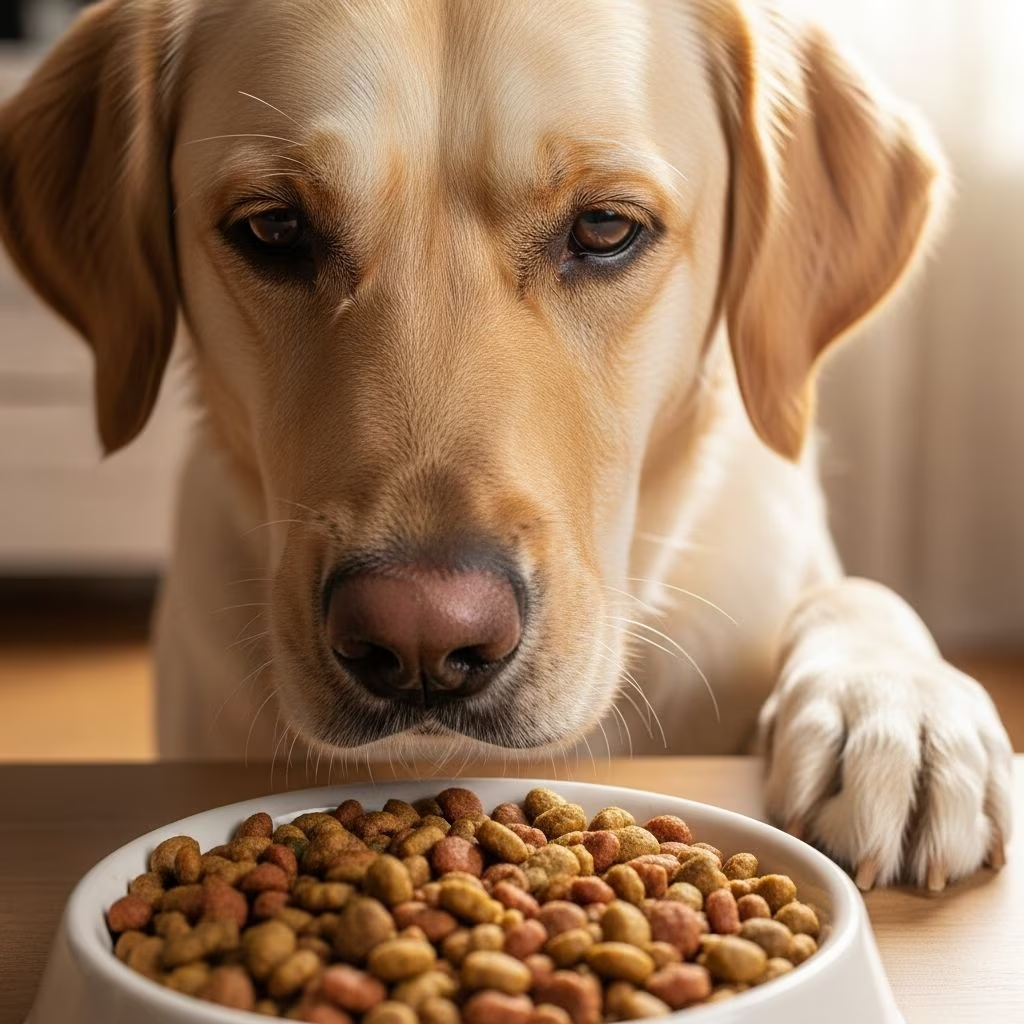
Your dog’s smell can reveal a lot about their well-being. While grooming helps, persistent odors often trace back to diet. Poor-quality ingredients in commercial dog foods disrupt digestion, skin balance, and overall metabolism, leading to foul scents from feces, gas, breath, or even the coat. Switching to nutrient-dense, biologically suitable foods can significantly improve this without additives.
Understanding the Diet-Odor Connection in Dogs
Dogs rely on their sense of smell for survival, but their own odors signal health status to owners. A diet mismatched to canine biology—high in grains, fillers, and low-quality proteins—forces the gut to work overtime, producing excess smelly byproducts. Healthy digestion on a proper diet yields firmer, less pungent stools and reduces volatile compounds released through skin and breath.
Research shows that processed kibble, designed for shelf stability over nutrition, alters gut bacteria. Imbalanced microbiomes ferment food poorly, amplifying odors. Fresh, whole-food alternatives support beneficial bacteria, minimizing these issues naturally.
How Poor Nutrition Leads to Smelly Feces
Feces odor stems from undigested proteins and carbs fermenting in the colon. Low-end dog foods packed with corn, wheat, or anonymous meat byproducts overwhelm the gut, creating hydrogen sulfide and other gases that stink. Industry responses include additives like yucca schidigera, which binds odor compounds but doesn’t fix root causes and may block nutrient uptake due to its saponin content.
Instead, prioritize foods with high digestibility. Species-appropriate diets—rich in animal proteins and moderate fats—produce smaller stool volumes with milder smells. Owners report noticeable improvements within weeks of transitioning.
- Choose novel proteins like fish or lamb to avoid allergies exacerbating smells.
- Avoid artificial preservatives that irritate the GI tract.
- Incorporate fiber from veggies like pumpkin for smoother digestion.
Body Odor and Skin Health: Diet’s Hidden Role
Beyond poop, body smells arise from sebaceous glands overproducing oils due to fatty acid deficiencies. Diets lacking omega-3s and omega-6s lead to dry, flaky skin that traps bacteria, causing a musty or “wet dog” scent even post-bath. Processed foods exacerbate this with inflammatory ingredients like cheap starches.
Quality nutrition rebuilds skin barriers. Omega-rich foods from fish oil or flaxseed reduce inflammation, balance pH, and curb bacterial growth. Studies link balanced fatty acids to glossier coats and neutral scents.
| Diet Type | Key Ingredients | Odor Impact |
|---|---|---|
| Low-Quality Kibble | Grains, fillers, byproducts | Increases gas, feces, skin smells |
| Premium Protein-Focused | Meat, fish, omegas | Reduces odors, improves coat |
| Raw/Fresh | Whole prey mimics, organs | Minimal waste, fresh scent |
Gas and Bad Breath: Digestive Distress Signals
Flatulence and halitosis often signal carb-heavy diets fermenting into gases. Dogs aren’t evolved for grains; excess produces methane and sulfur smells. Poor protein quality adds ammonia-like breath from incomplete breakdown.
Remedy with probiotics and prebiotics in food, plus digestive enzymes. Limited-ingredient diets pinpoint triggers like dairy sensitivities, clearing issues fast.
Signs Your Dog’s Food is Causing Odor Problems
- Persistent gas after meals, indicating poor carb processing.
- Fishy or yeasty ears/coat, from omega imbalances.
- Strong urine smell, tied to high-protein but low-quality feeds stressing kidneys.
- Sudden changes post-food switch, like softer stools or amplified scents.
Track symptoms in a journal alongside food labels for patterns.
Top Ingredients to Seek for Odor Control
Build a fresher dog with these diet staples:
- High-quality animal proteins: Chicken, beef, or salmon first on labels for complete aminos.
- Omega fatty acids: Support skin without greasiness.
- Probiotic blends: Live cultures like Lactobacillus for gut harmony.
- Antioxidant-rich veggies: Blueberries, spinach bind toxins.
- Herbs like chicory root: Natural prebiotics minus yucca’s downsides.
Steer clear of corn syrup, artificial colors, and excessive grains.
Transitioning Diets Safely for Lasting Results
Abrupt changes cause tummy upset, worsening smells temporarily. Mix old and new over 7-10 days:
- Days 1-3: 25% new food.
- Days 4-6: 50% new food.
- Days 7-9: 75% new food.
- Day 10: 100% new.
Monitor stool firmness and energy. Full benefits emerge in 4-6 weeks as gut flora stabilizes.
Comparing Commercial vs. Homemade Odor-Fighting Diets
| Aspect | Commercial | Homemade/Fresh |
|---|---|---|
| Convenience | High | Moderate |
| Ingredient Control | Low | High |
| Odor Reduction | Variable (additives) | Superior (natural) |
| Cost Long-Term | Higher | Lower |
Homemade shines for allergies but requires vet balancing to avoid deficiencies.
When Odor Signals Deeper Health Issues
Diet fixes most smells, but rule out infections, allergies, or dental disease. Persistent issues despite changes warrant vet checks for thyroid problems or parasites.
FAQs: Dog Food and Odor Concerns
Can dog food really change my dog’s smell?
Yes, within weeks. Better nutrition improves gut health, reducing fecal and body odors significantly.
What’s the fastest way to reduce doggy gas?
Eliminate fillers; add pumpkin or probiotics. Results in days.
Are grain-free foods always better for odor?
Not necessarily—focus on protein quality over grain absence.
How do I know if my dog’s food has yucca?
Check labels for yucca schidigera; limit long-term use.
Does wet food smell less than dry?
Wet often digests better, yielding milder waste, but quality matters most.
Real Owner Stories: Diet Transformations
Many report miracles: One switched to fish-based kibble, banishing yeasty smells. Another’s raw-fed Lab produced tiny, odorless poops. These anecdotes underscore diet’s power.
References
- Can Pet Food Ingredients Reduce the Odor of Pet Feces? — Bark and Whiskers. 2015-06-01. https://www.barkandwhiskers.com/2015-06-01-nl-pet-food-ingredients/
- What’s the best dog food to help reduce my dog’s odor? — Dial A Vet. Accessed 2026. https://www.dialavet.com/vet-answers/dog-food-to-reduce-odor-34583
- Food and Food-Odor Preferences in Dogs: A Pilot Study — PMC / NIH. 2018-03-15. https://pmc.ncbi.nlm.nih.gov/articles/PMC5863557/
- A complete guide to stinky “wet dog” problems — Peter Dobias Natural Pet. Accessed 2026. https://peterdobias.com/blogs/blog/a-complete-guide-to-stinky-wet-dog-problems
- Why Does My Dog Smell So Bad? Here Are 4 Reasons Why — Angry Orange. Accessed 2026. https://angryorange.com/blogs/news/why-does-my-dog-smell-so-bad



