

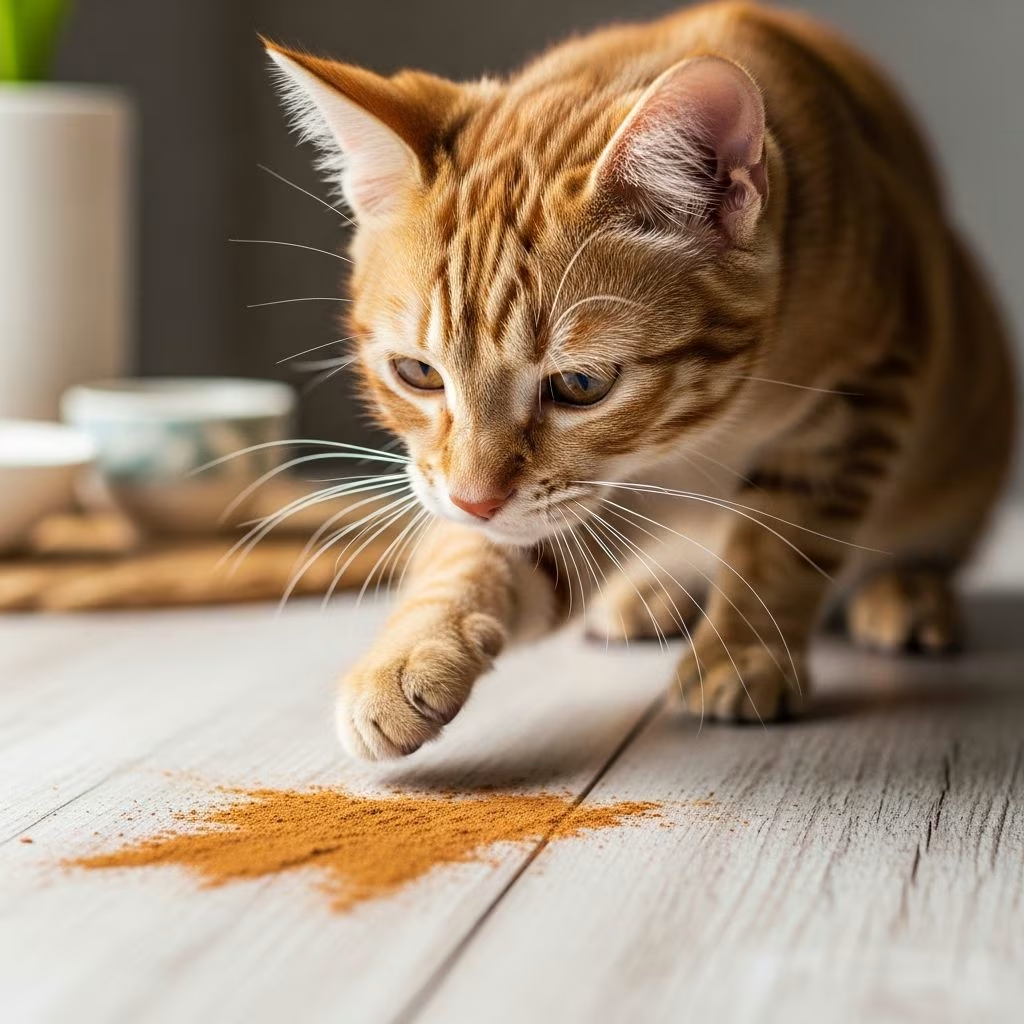
Does Cinnamon Keep Cats Away? Is It Safe?
One of the most persistent challenges for gardeners and homeowners is dealing with outdoor cats using their gardens as litter boxes. While this behavior is natural for felines, it can damage plants, create unpleasant odors, and compromise the aesthetics of your outdoor space. Among the various solutions recommended online, cinnamon has gained considerable popularity as a natural cat deterrent. However, the effectiveness and safety of this common kitchen spice warrant closer examination.
The Short Answer: Does Cinnamon Work?
The truth about cinnamon as a cat deterrent is nuanced. Cinnamon does keep some cats away, but not all of them. While this spice can be effective for certain felines, it is not a foolproof solution. Some cats find the smell repulsive and will avoid areas where it’s present, while others show little to no reaction. Additionally, cats may build tolerance to the scent over time, making cinnamon less effective as a long-term deterrent.
Why Do Cats Dislike Cinnamon?
Understanding why cinnamon might repel cats requires examining their unique sensory capabilities. Cats possess an exceptionally well-developed sense of smell, approximately 14 times stronger than that of humans. This heightened olfactory system is essential for their survival in the wild, allowing them to detect prey, navigate their territory, and identify threats.
While humans typically find the aroma of cinnamon pleasant and inviting, cats perceive it very differently. Cinnamon has a potent odor that most cats find repulsive. Cats can detect this strong scent from several yards away and will often keep their distance when they encounter it. The intensity of the smell to a cat’s sensitive nose is considerably different from what humans experience, making even small amounts noticeable to them.
However, it’s important to recognize that individual cats have different preferences and sensitivities. Some cats simply don’t mind the smell of cinnamon, and a small number may even find it tolerable or mildly appealing. This variability makes cinnamon an inconsistent solution across different household situations.
Is Cinnamon Safe for Cats?
Safety is a paramount concern when considering any cat deterrent. According to the ASPCA, cinnamon is officially classified as non-toxic to cats. This is reassuring for pet owners who worry about harming animals while protecting their property.
However, this designation as non-toxic doesn’t mean cinnamon is entirely risk-free for felines. Understanding the different forms of cinnamon and their potential effects is crucial:
Cinnamon Powder
Cinnamon powder is the safest form to use around cats. Since the typical cat is unlikely to inhale a substantial amount of powder directly, this form presents minimal risk. The greatest concern with powder is accidental inhalation or ingestion if a cat directly contacts the substance, which is generally an avoidable scenario with proper application.
Cinnamon Extract and Oil
Cinnamon extract and oil present more significant risks than powder and should generally be avoided. These concentrated forms can cause serious problems for cats:
- Burning of sensitive mouth tissues, eyes, and skin
- Potential poisoning with concentrated exposure
- More rapid absorption through mucous membranes
- Greater likelihood of systemic effects
Potential Side Effects from Large Doses
While cinnamon powder is generally safe, large doses can trigger allergic reactions, vomiting, and other negative reactions in some cats. Additionally, since cats don’t typically consume spices as part of their natural diet, consuming cinnamon can cause gastrointestinal upset. Cats with particularly sensitive skin may display symptoms resembling allergic reactions when exposed to sufficient quantities.
How to Use Cinnamon to Deter Cats
If you decide to try cinnamon as a cat deterrent, there are two primary methods to consider. Both use cinnamon powder, which is the safest form for use around cats and other animals.
Method 1: Spreading Cinnamon Powder
This is the simplest application method. You can spread cinnamon powder around the borders of areas you wish to keep cat-free, such as garden beds or specific sections of your yard. This approach requires minimal preparation and is straightforward to implement.
Method 2: Homemade Cinnamon Spray
For more extensive coverage or to treat larger areas, you can create a cinnamon-based spray repellent. Here’s how to make an effective mixture:
Ingredients:
- 2 pints of water
- 4 tablespoons of cinnamon powder
- 1 tablespoon of fresh rosemary (optional, enhances effectiveness)
- ½ cup of white vinegar
Instructions:
- Bring 2 pints of water to a boil
- Add 4 tablespoons of cinnamon powder and 1 tablespoon of rosemary
- Allow the mixture to cool and steep overnight
- Strain the mixture thoroughly using a coffee filter or cheesecloth
- Add ½ cup of white vinegar to the strained liquid
- Pour the mixture into a clean spray bottle
- Spray liberally in areas where cats enter your garden or around your property
Important Maintenance Notes
The effects of cinnamon spray are temporary and require regular reapplication. The spray typically remains effective for only 2 to 3 days before needing reapplication. Heavy rainfall will wash away the spray and its cat-repelling properties, necessitating fresh applications after weather events. This ongoing maintenance requirement can make cinnamon a labor-intensive solution over extended periods.
Limitations and Cost Considerations
While cinnamon is accessible and appealing as a natural solution, several practical limitations exist. To be effective as a deterrent, you need to use a sufficient quantity to create an odor that stands out among other garden scents like soil, plants, and insects. This means you may need more cinnamon than initially expected.
Cost is another significant factor. Pure powdered cinnamon can cost upwards of $15 to $20 per pound, making repeated applications an expensive proposition. When you factor in the inconsistent effectiveness across different cats and the regular maintenance required, cinnamon may represent a poor investment for your cat deterrent strategy.
Safer and More Effective Alternatives
While cinnamon can work for some cats, experts suggest that several alternative methods are more reliable and cost-effective. Consider these options:
Citrus-Based Deterrents
Cats generally dislike citrus scents more strongly and consistently than cinnamon. You can use citrus peels, citronella, or commercially available citrus sprays around your garden.
Coffee Grounds
Don’t discard your morning coffee grounds. Spreading fresh or dried coffee grounds around plant beds protects them from feline curiosity. This is often more readily available than cinnamon and provides a cost-effective solution.
Vinegar Solutions
Vinegar has a strong odor that repels many cats. You can mix apple cider vinegar and water in a 1:1 ratio in a spray bottle for use around your house and garden.
Herbs as Natural Deterrents
Growing or planting certain herbs around your yard can deter cats naturally. Effective herbs include:
- Rosemary
- Lavender
- Peppermint
- Rue
- Chives
Physical Barriers
Sometimes the most effective solution is physical prevention. Fencing, netting, or motion-activated sprinklers can prevent cats from entering your garden without relying on scent deterrents.
Comparing Common Cat Deterrents
| Deterrent Method | Effectiveness | Cost | Safety | Maintenance |
|---|---|---|---|---|
| Cinnamon Powder | Moderate (inconsistent) | High ($15-20/lb) | Very Safe | Regular reapplication |
| Citrus | High | Low-Moderate | Very Safe | Regular reapplication |
| Coffee Grounds | Moderate-High | Very Low (free) | Very Safe | Regular reapplication |
| Vinegar Spray | Moderate-High | Low | Very Safe | Regular reapplication |
| Physical Barriers | Very High | High (one-time) | Very Safe | Minimal |
Frequently Asked Questions
Q: Will cinnamon harm my cat if it gets on their fur?
A: Small amounts of cinnamon powder on fur are unlikely to cause harm. However, if your cat has sensitive skin or licks the powder off, it could potentially cause mild gastrointestinal upset. Wash the cinnamon off if you notice your cat has gotten it on them.
Q: How often should I reapply cinnamon spray?
A: Cinnamon spray typically remains effective for 2 to 3 days. You should reapply after rain or when the scent appears to have faded. This frequent reapplication can make it impractical for large areas.
Q: Can I use cinnamon essential oil as a deterrent?
A: Cinnamon essential oil is not recommended. It can burn your cat’s sensitive mouth, eyes, and skin and potentially poison your cat in concentrated forms. Stick to cinnamon powder if you choose to use cinnamon at all.
Q: Why doesn’t cinnamon work on some cats?
A: Individual cats have different sensitivities to odors. Some cats simply don’t mind the smell of cinnamon, while others may build tolerance over time. There’s no way to predict which cats will be deterred by cinnamon in your specific situation.
Q: Is there a more cost-effective alternative to cinnamon?
A: Yes, several alternatives are more affordable. Coffee grounds are often free, citrus peels are inexpensive, and vinegar spray costs very little to make. These often prove more effective than cinnamon as well.
Q: Can I combine cinnamon with other deterrents?
A: Yes, many people find success combining multiple deterrents, such as cinnamon, rosemary, and lavender in a single spray. This multi-scent approach may be more effective than cinnamon alone.
Final Thoughts
While cinnamon does keep some cats away and is generally safe when used properly, it is not the most reliable or cost-effective solution for protecting your garden. Cinnamon works best as part of a broader deterrent strategy rather than as a standalone solution. The ASPCA confirms its non-toxic status, but the inconsistent results, regular maintenance requirements, and associated costs make alternative methods worth exploring.
Experts recommend trying different solutions to identify what works best in your specific situation, as effectiveness varies based on individual cats and environmental factors. Citrus, coffee grounds, vinegar, and physical barriers often provide superior results with less effort and expense. By understanding both the benefits and limitations of cinnamon, you can make an informed decision about whether it’s the right choice for your garden protection needs.
References
- Does Cinnamon Keep Cats Away? Vet-Verified Facts & Safe Feline Nutrition — Hepper. 2024. https://articles.hepper.com/does-cinnamon-keep-cats-away/
- Think Twice Before Using Cinnamon To Keep Cats Out Of Your Garden — House Digest. 2024. https://www.housedigest.com/1415587/avoid-cinnamon-ingredient-repel-cats-pests-garden/
- Homemade Cat Repellents to Keep Your Furniture and Garden Safe — Vet Organics. 2024. https://www.vet-organics.com/blogs/news/homemade-cat-repellents-to-keep-your-furniture-and-garden-safe
- What Smells Do Cats Hate? 16 Smells That Cats Hate the Most — Litter Robot. 2024. https://www.litter-robot.com/blog/smells-cats-hate/



