

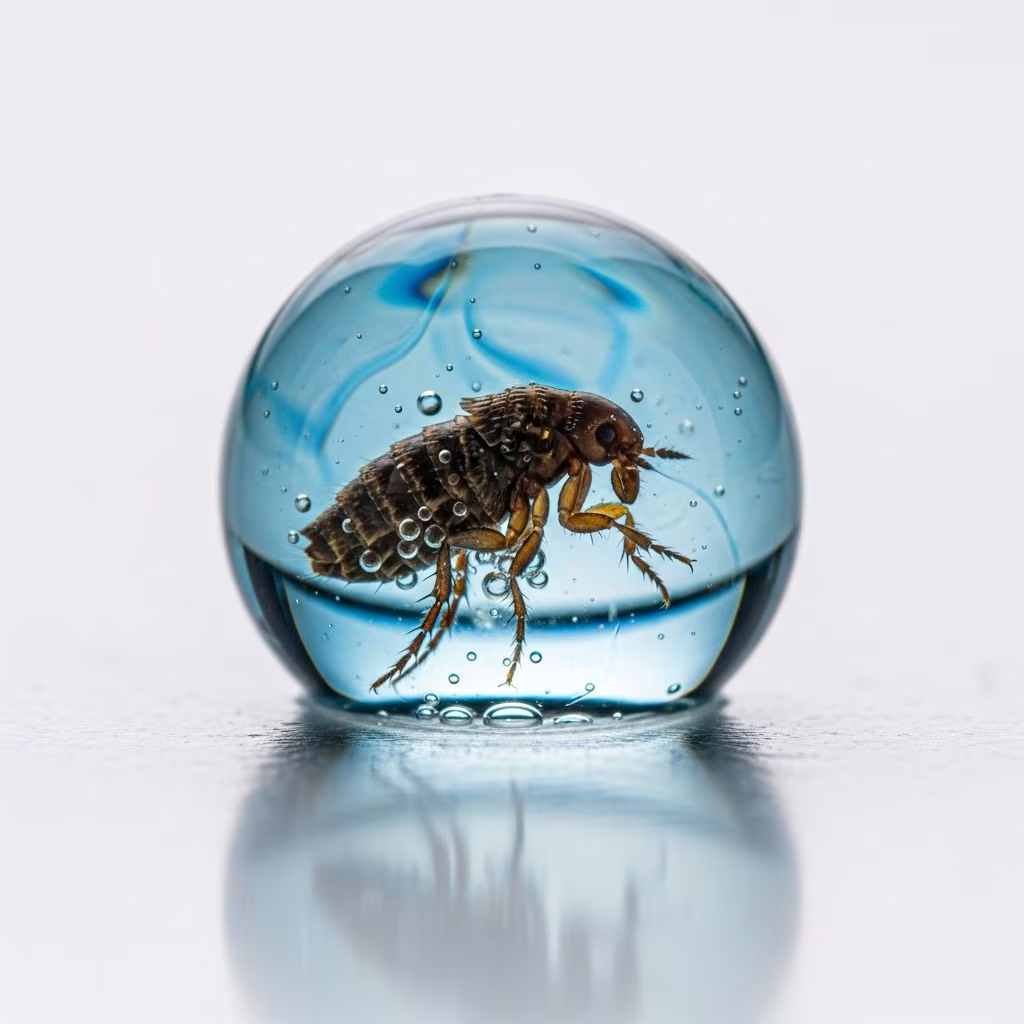
Chlorine can eliminate certain fleas upon direct exposure, primarily on non-porous surfaces or fabrics, but it proves unreliable for comprehensive flea management in pets or households. This chemical disinfectant, common in bleach and pool treatments, targets adult fleas and eggs superficially yet overlooks critical life cycle stages, rendering it inadequate against persistent infestations while introducing substantial hazards to dogs.
The Mechanics of Chlorine on Flea Populations
Chlorine operates as a potent oxidizer, disrupting cellular structures in insects like fleas when applied in sufficient concentrations. On hard surfaces such as tiles or countertops, a diluted bleach solution may swiftly dispatch exposed adult fleas by corroding their exoskeletons. Similarly, incorporating bleach into hot laundry cycles effectively destroys fleas and eggs embedded in pet bedding or clothing, provided fabrics tolerate the treatment.
However, efficacy plummets in real-world scenarios. Flea pupae, encased in resilient cocoons, withstand chlorine exposure, emerging later to perpetuate cycles. Porous materials like carpets or upholstery absorb solutions unevenly, shielding hidden fleas. Pool water, with its low chlorine levels, irritates but rarely kills parasites, as concentrations safe for swimming remain too dilute for lethality.
Hazards of Chlorine Exposure for Canines
Dogs face grave dangers from chlorine, especially in concentrated forms like bleach or pool tablets. Direct skin contact induces irritation, burns, or fur bleaching; inhalation of fumes provokes respiratory distress, coughing, or pulmonary edema within hours. Ingestion, even of diluted pool water in excess, triggers vomiting, drooling, oral sores, and gastrointestinal upset.
- Skin and Coat Damage: Causes redness, burns, and discoloration.
- Respiratory Issues: Fumes lead to coughing, gagging, or fluid buildup in lungs.
- Ocular Harm: Results in tearing, swelling, and potential corneal ulcers.
- Ingestion Risks: Produces bloody vomit, excessive salivation, and digestive corrosion.
Veterinary manuals emphasize immediate intervention: flush eyes with saline, administer fluids for ingestion without inducing vomit, and relocate to fresh air for fume exposure. Never apply chlorine directly to pets, as their sensitive systems amplify toxicity.
Deciphering the Flea Life Cycle for Targeted Control
Fleas thrive through a four-phase cycle: eggs dislodge into environments, larvae feed on debris in dark crevices, pupae hibernate protectively, and adults infest hosts. Chlorine disrupts only accessible adults and eggs, ignoring larvae in fibers and cocooned pupae, which resist most disinfectants.
| Life Stage | Description | Chlorine Effectiveness |
|---|---|---|
| Eggs | Tiny, sticky orbs falling from pets | Moderate on surfaces; poor in carpets |
| Larvae | Worm-like feeders in shaded areas | Low; hidden from solutions |
| Pupae | Cocoon-protected dormant phase | Negligible; cocoons impermeable |
| Adults | Blood-sucking jumpers on hosts | High on direct contact only |
Breaking this cycle demands multifaceted strategies beyond chlorine reliance.
Strategic Applications of Chlorine in Limited Scenarios
Reserve chlorine for ancillary roles in severe outbreaks. Dilute bleach (1:10 with water) sanitizes non-porous floors post-vacuuming, but rinse thoroughly to avert residue hazards. Laundry integration kills contaminants on washables, using hot water and fabric-safe amounts.
- Vacuum thoroughly first to expose fleas.
- Apply diluted solution to hard surfaces; avoid carpets.
- Wash items in hot cycles with bleach if colorfast.
- Aerate areas, barring pets until dry.
- Never combine with ammonia-based cleaners to prevent gas release.
These steps supplement, not supplant, pet treatments.
Superior Alternatives for Flea Eradication
Veterinarian-endorsed options outperform chlorine comprehensively. Topical spot-ons, oral preventatives, and collars target all stages safely on pets. Environmental controls include insect growth regulators (IGRs) penetrating cracks and diatomaceous earth dehydrating larvae.
- Vet Prescriptions: Fipronil, imidacloprid, or isoxazolines kill on contact and prevent reinfestation.
- Home Treatments: Steam cleaning, IGR sprays for fabrics.
- Natural Aids: Beneficial nematodes in yards devour larvae.
- Preventives: Monthly topicals halt egg production.
Integrated pest management (IPM) combines these, yielding 95%+ efficacy without chemical perils.
Preventive Measures to Avoid Flea Issues
Proactive routines minimize infestations. Bathe dogs monthly with flea shampoos, inspect after outdoor romps, and maintain year-round preventatives. Mow lawns short, seal home entry points, and wash pet zones weekly.
Year-round vigilance counters flea resilience, thriving indoors regardless of season.
Recognizing and Responding to Flea Infestations
Signs include excessive scratching, flea dirt (black specks turning red in water), and visible jumpers. Comb pets over white paper to confirm. Prompt vet visits secure tailored protocols, averting anemia in heavy loads.
Common Misconceptions About Chemical Flea Controls
Myths persist: pool swims don’t drown fleas due to breath-holding; salt water fails similarly. Household bleach isn’t a standalone cure, as pupae endure. Professional exterminators integrate safer agents for totality.
Frequently Asked Questions
Can dogs swim in chlorinated pools to remove fleas?
No, pool chlorine concentrations irritate but do not kill fleas effectively, risking pet harm.
Is diluted bleach safe for washing dog beds?
Yes for colorfast fabrics in hot water, but dry fully before pet access; prioritize vet products.
How quickly does chlorine act on adult fleas?
On direct contact, within minutes, but inaccessible fleas survive.
What if my dog ingests bleach during cleaning?
Offer milk or water; seek vet care immediately—avoid inducing vomit.
Are there natural alternatives as effective as chemicals?
Limited; nematodes and vacuuming aid, but vet topicals provide reliable control.
Long-Term Flea Management Strategies
Sustain control via routine vet checkups, environmental audits, and multi-pet synchronization. Monitor for resistance, rotating products judiciously. Educate households on hygiene to fortify defenses.
(Word count: 1678)
References
- Does Chlorine Kill Fleas? Learn Flea Control Truths — PetsCare.com. 2023. https://www.petscare.com/news/post/chlorine-and-flea-control
- Does Chlorine Kill Fleas? Vet-Reviewed Safety & Effectiveness — Hepper. 2024. https://articles.hepper.com/does-chlorine-kill-fleas/
- Protect Your DOG From Tick’s ||Can Swimming Remove Fleas — YouTube (Dr. Uz). 2023-05-15. https://www.youtube.com/watch?v=ajopoJ5XwtU
- Household Hazards – Special Pet Topics — Merck Veterinary Manual. 2025-01-01. https://www.merckvetmanual.com/special-pet-topics/poisoning/household-hazards
- My Dog Drank Pool Water. Now What? — PetMD. 2024. https://www.petmd.com/dog/poisoning/my-dog-drank-pool-water



