

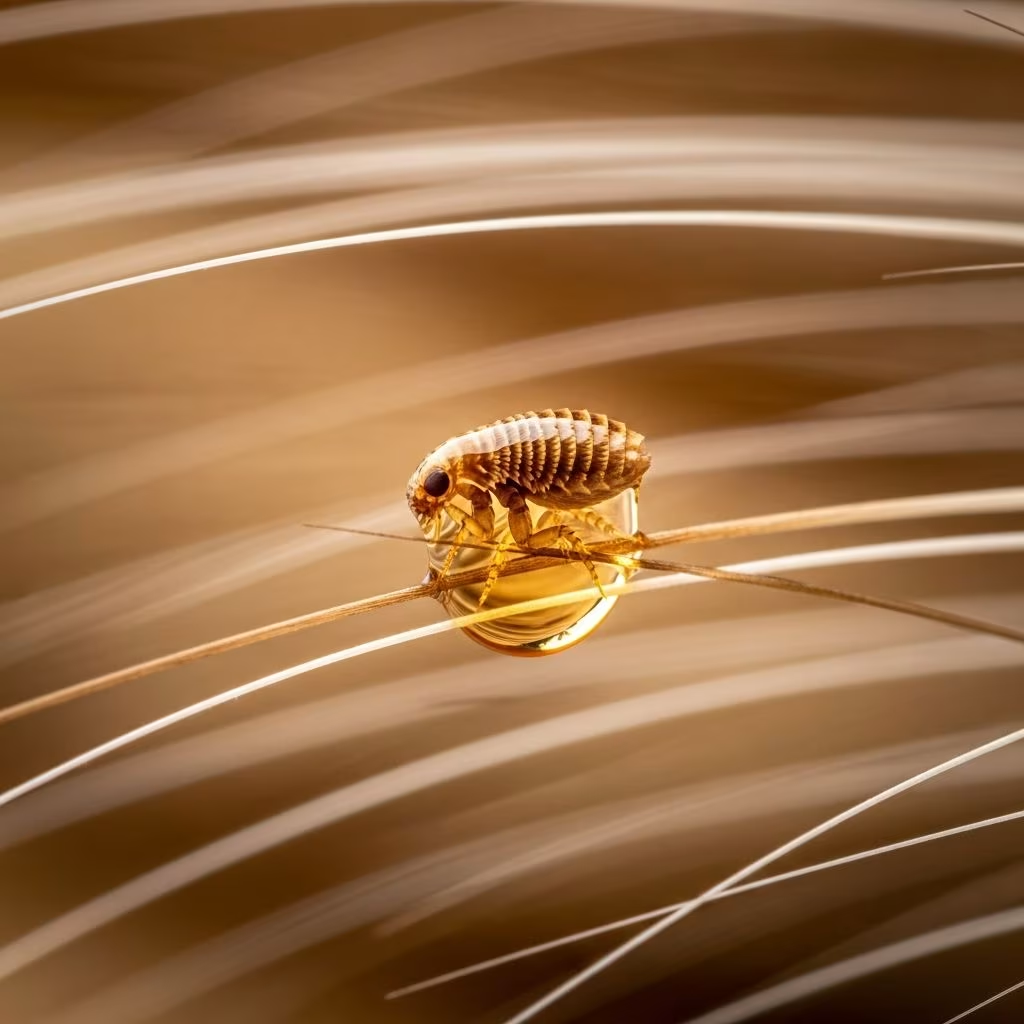
Cedarwood oil acts primarily as a repellent against fleas on cats by disrupting their scent trails and pheromones, rather than outright killing them in high volumes, though direct contact can dehydrate and suffocate some fleas when properly diluted. While many pet owners seek natural flea remedies, its efficacy is supported by anecdotal evidence and limited studies, but it requires veterinary consultation due to cats’ sensitivity to essential oils.
How Does Cedarwood Oil Work Against Fleas?
Cedarwood oil repels fleas through multiple mechanisms, including masking host scents, interfering with pheromones, and desiccant properties that dehydrate fleas, eggs, and larvae. Its strong aroma disrupts flea communication, making it harder for them to locate and stay on hosts like cats, while antimicrobial benefits soothe bite-related irritation. A study on Cedrus libani tar showed significant in vitro insecticidal activity against cat fleas, positioning cedar-derived products as eco-friendly options, though not directly testing essential oil.
Unlike chemical insecticides that target the nervous system, cedarwood oil offers a non-toxic alternative by breaking the flea life cycle without harsh residues, ideal for households preferring natural pest control. However, its repelling action is more preventive than curative for heavy infestations.
Is Cedarwood Oil Safe for Cats?
Cedarwood oil is generally safer than most essential oils for cats when heavily diluted, but never apply undiluted as it can cause skin irritation, agitation, hypersalivation, or worse due to cats’ inefficient liver metabolism of phenols and terpenes. Veterinary experts emphasize low concentrations in commercial products or carrier oils like coconut to minimize risks, especially for kittens, pregnant cats, or those with sensitive skin.
PetMD notes cedarwood as a potential repellent but warns against direct use without dilution, recommending vet approval. Studies report adverse reactions like lethargy in pets exposed to plant oils, underscoring caution. Always patch-test and monitor for drooling, vomiting, or lethargy post-application.
How to Use Cedarwood Oil on Cats for Fleas
The safest approach is commercial products like sprays or collars pre-diluted with cedarwood oil, such as those from Wondercide, applied per instructions after vet consultation. For DIY, dilute 10 drops in 1 ounce of carrier oil (coconut or olive) and massage sparingly into fur, avoiding face and genitals; repeat weekly.
Alternative: Use cedar hydrosol sprays on bedding and environment, not directly on cats, to repel fleas indirectly. Home sprays combine 15 drops cedarwood, 10 drops peppermint, 1 cup water, and vinegar for carpets and furniture. Frequency: 2-3 times weekly until infestation clears, then monthly for prevention.
DIY Cedarwood Flea Recipes for Cats
- Pet Treatment Oil: 10 drops cedarwood + 1 oz carrier oil. Apply to collar area and base of tail.
- Environmental Spray: 15 drops cedarwood + 10 drops peppermint + 1 cup distilled water + 1 tbsp white vinegar. Shake and spray non-pet surfaces.
- Flea Collar: Soak rope collar in diluted cedarwood-citronella mix; air dry for gradual release.
Table comparing application methods:
| Method | Dilution Ratio | Application Frequency | Best For |
|---|---|---|---|
| Direct Topical (Diluted) | 1-2% (10 drops/oz) | Weekly | Mild infestations |
| Commercial Spray | Pre-diluted | Every 2-3 days | Full body + home |
| Hydrosol Spray | 100% hydrosol | Daily on bedding | Environment only |
| Collar Infusion | Low concentration | Replace monthly | Prevention |
Commercial Cedarwood Products for Cats
Products like Wondercide Cedarwood Flea & Tick Spray and Cedarcide offerings kill, repel, and prevent fleas via cedar oil, safe for cats when following labels, though unregulated by FDA. Brands like Only Natural Pet provide shampoos and spot-ons; efficacy varies, with user reports of reduced fleas but not elimination in severe cases. Vet verification is crucial as concentrations differ.
Cedarwood Oil vs. Other Flea Treatments
Cedarwood offers natural, eco-friendly repulsion without chemical side effects, cost-effective long-term, but slower than pharmaceuticals like fipronil or imidacloprid, which kill on contact.
| Treatment | Kills Fleas | Safety for Cats | Speed | Cost |
|---|---|---|---|---|
| Cedarwood Oil | Repels/Dehydrates | High (diluted) | Slow | Low |
| Chemical Spot-on | Yes (90%+) | Moderate | Fast | Medium |
| Essential Oil Blends | Repels | Variable | Moderate | Low |
Natural options suit mild cases; vets prescribe topicals for heavy infestations.
Flea Prevention Tips for Cats
- Vacuum daily, wash bedding weekly in hot water.
- Use vet-approved preventives year-round.
- Groom regularly to spot eggs early.
- Treat yard with nematodes or beneficial insects.
- Avoid multi-pet exposure without checks.
When to See a Vet for Fleas
Consult if fleas persist post-treatment, cat scratches excessively, shows anemia signs (pale gums, lethargy), or has flea allergy dermatitis. Vets diagnose via comb test and recommend prescription options like Revolution or Bravecto for rapid control.
Frequently Asked Questions (FAQs)
Does cedarwood oil kill fleas or just repel them?
It primarily repels by disrupting scents and dehydrates on contact but doesn’t eradicate infestations like chemical killers.
Can I put cedarwood oil directly on my cat?
No, always dilute heavily or use commercial products; direct application risks toxicity.
Is cedarwood oil safe for kittens?
Use extreme caution; avoid under 12 weeks and consult vet.
How often should I apply cedarwood flea treatment?
Weekly for treatment, monthly for prevention, per dilution.
Are there side effects of cedarwood oil on cats?
Possible irritation, drooling, or agitation if overdosed.
References
- What are the Effects of Cedarwood and Citronella Oil in Natural Cat Flea Collars? — Central Florida Lifestyle. 2023. https://www.centralfloridalifestyle.com/sponsored-article/what-are-the-effects-of-cedarwood-and-citronella-oil-in-natural-cat-flea-collars/
- Cedarwood Oil for Fleas: Safe Recipes & Usage Guide (Dogs vs. Cats) — Hiqili. 2024. https://hiqili.com/blogs/wellness/cedarwood-oil-for-fleas
- Insecticidal potential of Cedrus libani tar in eco-friendly control of cat fleas — PMC (NCBI). 2024-10-15. https://pmc.ncbi.nlm.nih.gov/articles/PMC11564055/
- Flea the Scene: How Cedarwood Oil Can Keep Your Pets Pest-Free — Pet Wellness Direct. 2024. https://petwellnessdirect.com/blogs/news/flea-the-scene-how-cedarwood-oil-can-keep-your-pets-pest-free-phs
- Does Cedarwood Oil Kill Fleas on Cats? Vet-Verified Effectiveness — Catster. 2025. https://www.catster.com/cat-health-care/does-cedarwood-oil-kill-fleas-on-cats/
- Can You Use Essential Oils on Cats for Fleas and Ticks? — PetMD. 2024. https://www.petmd.com/cat/can-you-use-essential-oils-cats-fleas-and-ticks



