

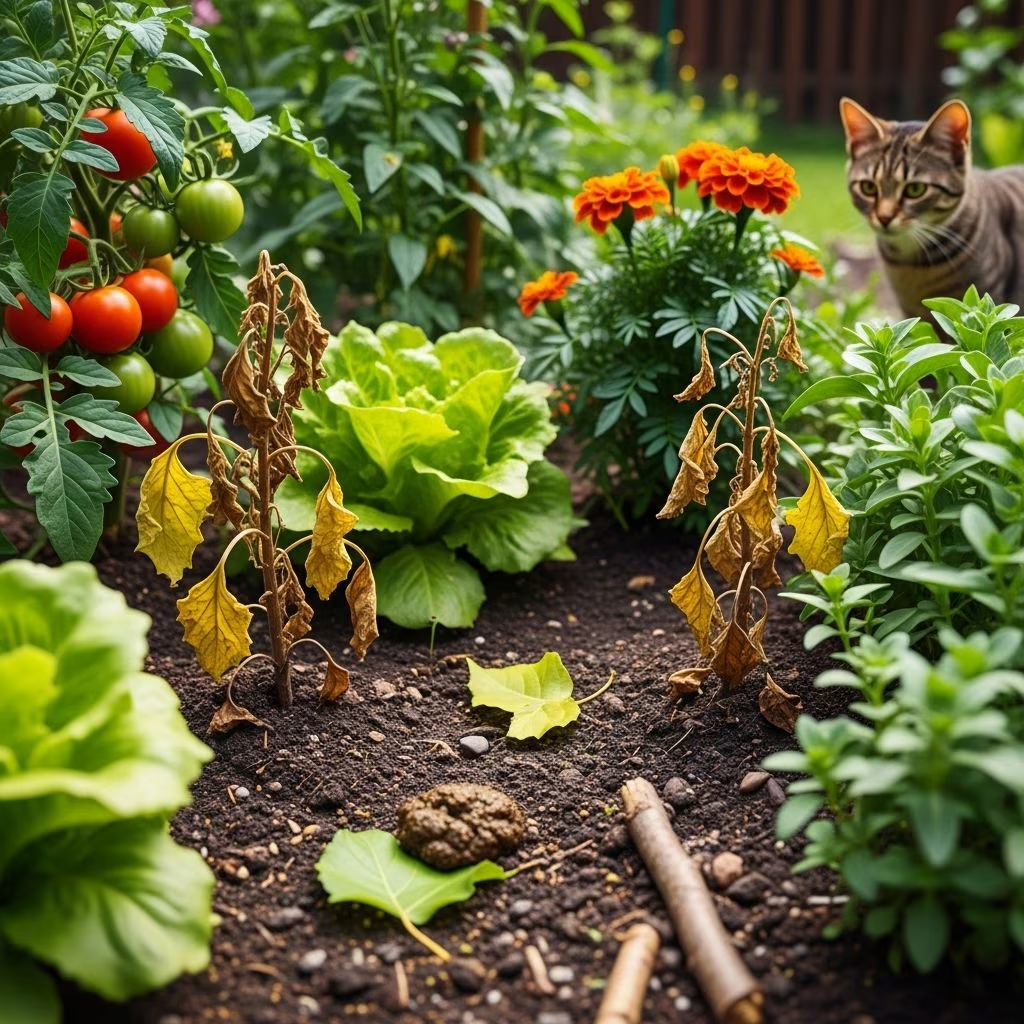
Cat feces pose significant risks to garden plants primarily due to excessive nitrogen levels that can scorch roots and foliage, alongside dangerous pathogens that threaten both plant health and human safety. While cat urine generally dilutes harmlessly in soil, undiluted concentrations may alter pH and attract more feline activity. Gardeners with cats must prioritize immediate removal and prevention to maintain thriving landscapes.
The Hidden Dangers of Feline Waste in Your Soil
Fresh cat excrement introduces a cocktail of nutrients and contaminants that disrupt garden ecosystems. High nitrogen content, roughly double that found in herbivore manure, acts like an overzealous fertilizer, leading to rapid ammonia release that burns plant tissues upon contact. This chemical imbalance prevents proper nutrient uptake, causing yellowing leaves, stunted growth, and potential plant death if not addressed swiftly.
Beyond chemistry, biological hazards lurk in every deposit. Pathogens such as Toxoplasma gondii, Salmonella bacteria, and various parasites thrive in cat waste, capable of surviving in soil for extended periods. These microbes not only compromise plant vitality by fostering root rot and fungal outbreaks but also contaminate edible crops, posing zoonotic risks to gardeners and families.
- Nitrogen overload: Burns roots and leaves, mimicking fertilizer mishaps.
- Pathogen invasion: Introduces bacteria and parasites harmful to flora and humans.
- Soil contamination: Lingers, affecting future plantings and groundwater.
Health Implications for Humans and Pets
Exposure to uncleaned cat feces extends dangers beyond the garden bed. Vulnerable groups like pregnant individuals face heightened toxoplasmosis risks, a parasitic infection transferable through soil contact or contaminated produce. Children playing in yards and immunocompromised persons encounter similar threats from E. coli and roundworms embedded in feces.
Pets face indirect perils too; dogs sniffing garden soil may ingest parasites, while cats reinforce unwanted habits if waste remains undisturbed. Prompt disposal mitigates these issues, preserving a safe outdoor environment for all household members.
| Risk Factor | Potential Effects on Humans | Potential Effects on Plants |
|---|---|---|
| High Nitrogen | Minimal direct harm | Root burn, leaf scorch |
| Toxoplasmosis | Flu-like symptoms, birth defects | Soil contamination |
| Bacteria (Salmonella) | Gastrointestinal illness | Fungal growth promotion |
| Parasites | Intestinal infections | Root damage |
Step-by-Step Guide to Safe Waste Removal
Effective cleanup demands protective gear and thoroughness to eliminate residues. Begin by donning nitrile gloves and a mask to shield against airborne particles and direct contact. Use a sturdy trowel or pooper scooper to excavate feces plus 2-3 inches of surrounding soil, bagging it securely for trash disposal—never composting without specialized systems.
For urine spots, flush affected areas generously with water to neutralize salts and odors, preventing re-marking by cats. In vegetable gardens, replace excavated soil entirely to avoid cross-contamination. Post-cleanup, wash tools with a bleach solution (1:10 dilution) and scrub hands vigorously.
- Equip with gloves, mask, and tools.
- Dig out waste and adjacent soil.
- Bag and dispose in municipal waste.
- Rinse urine areas thoroughly.
- Disinfect equipment and hands.
Proven Deterrents to Keep Cats Away from Gardens
Prevention trumps remediation; fortify your garden against feline visitors using physical and sensory barriers. Cover bare soil with chicken wire mesh or landscape fabric, securing edges to deter digging without impeding plant growth. Mulch deeply with coarse materials like pine bark or gravel, creating unappealing textures that cats avoid.
Natural repellents amplify defenses: sprinkle citrus peels, coffee grounds, or dried blood meal around beds—these scents repel cats while enriching soil mildly. Motion-activated sprinklers provide a humane startle response, training cats to associate gardens with unwelcome surprises. For indoor potted plants, elevate them on shelves or hang from ceilings, out of leaping range.
- Physical barriers: Wire mesh, stones, or heavy mulch layers.
- Scent deterrents: Citrus, herbs like lavender, or commercial cat repellents.
- Tech solutions: Ultrasonic devices or sprinklers triggered by motion.
- Habitat modification: Provide designated scratching posts or catio spaces.
Can You Compost Cat Feces Safely?
Traditional composting rarely reaches temperatures above 160°F needed to neutralize cat waste pathogens, rendering home piles risky for garden use. Specialized pet waste digesters employ heat and microbes to process feces safely, but outputs suit only ornamental beds—not edibles. Even “finished” compost may harbor viable parasites, advising dilution with plant-based matter at 1:10 ratios minimum.
Reserve cat compost for non-food flora like roses or evergreens, testing soil post-application for pH shifts. Urban gardeners should check local regulations, as some municipalities ban pet waste in green bins. Alternatives like commercial bokashi fermentation offer controlled breakdown without high-heat needs.
Key Composting Caveats:
- Achieve 165°F internal heat to kill Toxoplasma—rare in backyard piles.
- Use only on flowers, shrubs; avoid veggies, herbs.
- Dilute heavily to prevent nutrient burn.
Selecting Cat-Safe Plants for Harmonious Homes
Indoor greenery tempts cats to treat pots as litter boxes; opt for non-toxic, unappealing varieties to coexist peacefully. Spider plants (Chlorophytum comosum) purify air while resisting nibbling, their grassy blades satisfying feline chewing urges safely. Boston ferns add lush texture without toxicity, thriving in humid spots cats ignore.
Cat grass trays divert attention, providing digestible oats or wheatgrass that promote hairball expulsion. Avoid temptations like philodendrons or pothos, laden with calcium oxalate crystals causing oral burns and vomiting if ingested. Pair plant choices with litter box training reinforcements for best results.
| Safe Plant | Benefits | Why Cats Ignore It |
|---|---|---|
| Spider Plant | Air purifying, easy care | Tough leaves, mild taste |
| Cat Grass | Digestive aid | Intended for eating |
| Boston Fern | Humidifier effect | Droopy, uninteresting |
| Areca Palm | Tall, non-toxic | Height deters access |
Understanding Why Cats Target Your Plants
Cats potty in plants due to litter box aversion, territorial marking, or exploratory instincts. Loose soil mimics ideal scratching substrates, while full boxes signal avoidance. Stress from household changes prompts inappropriate elimination; address by ensuring 1.5 boxes per cat in quiet, accessible spots with unscented, clumping litter.
Offer alternatives like sisal rugs or vertical scratchers near plants. Veterinary checks rule out urinary issues mimicking behavioral problems. Positive reinforcement—treats for box use—reshapes habits effectively.
Frequently Asked Questions
Is cat urine bad for plants?
In small amounts, cat urine enriches soil with nitrogen, but concentrations cause salt buildup and burns. Always dilute with water.
How deep should I dig to remove cat poop?
Excavate 2-3 inches deep, including surrounding soil, to capture parasite eggs.
Are there plants cats won’t bother?
Yes, thorny roses, citrus-scented herbs like rosemary, and hanging varieties reduce access and appeal.
Can I use cat poop fertilizer on tomatoes?
No—pathogen risks make it unsafe for edibles; stick to ornamentals only.
What if my cat keeps returning to the garden?
Combine barriers, repellents, and veterinary behavior consults for comprehensive solutions.
Maintaining a Cat-Friendly Garden Long-Term
Sustainable strategies blend deterrence with enrichment. Designate a cat garden zone with safe nibbles like wheatgrass amid lavender borders—cats lounge without invading veggies. Regular litter maintenance prevents overflow urges, while pheromone diffusers calm anxious felines prone to outdoor soiling.
Monitor plant health quarterly, adjusting mulches or sprays as needed. Community gardens benefit from shared rules posting waste removal etiquette. With diligence, cats and cultivations flourish side by side, turning potential conflict into coexistence.
References
- Will Cat Poop Kill My Plants? Vet-Verified Risks, Prevention & FAQ — Catster. 2023-10-15. https://www.catster.com/lifestyle/will-cat-poop-kill-my-plants/
- Cat Feces In Compost: Why You Shouldn’t Compost Cat Waste — Gardening Know How. 2024-05-22. https://www.gardeningknowhow.com/composting/manures/cat-feces-in-compost.htm
- Composting Animal Manures — United States Department of Agriculture (USDA). 2022-08-10. https://www.nrcs.usda.gov/sites/default/files/2022-09/Composting-Manure.pdf
- Toxoplasmosis Fact Sheet — Centers for Disease Control and Prevention (CDC). 2025-01-15. https://www.cdc.gov/parasites/toxoplasmosis/index.html
- Pet Waste Management Guidelines — Environmental Protection Agency (EPA). 2023-11-05. https://www.epa.gov/sites/default/files/2015-10/documents/pet-waste.pdf



