

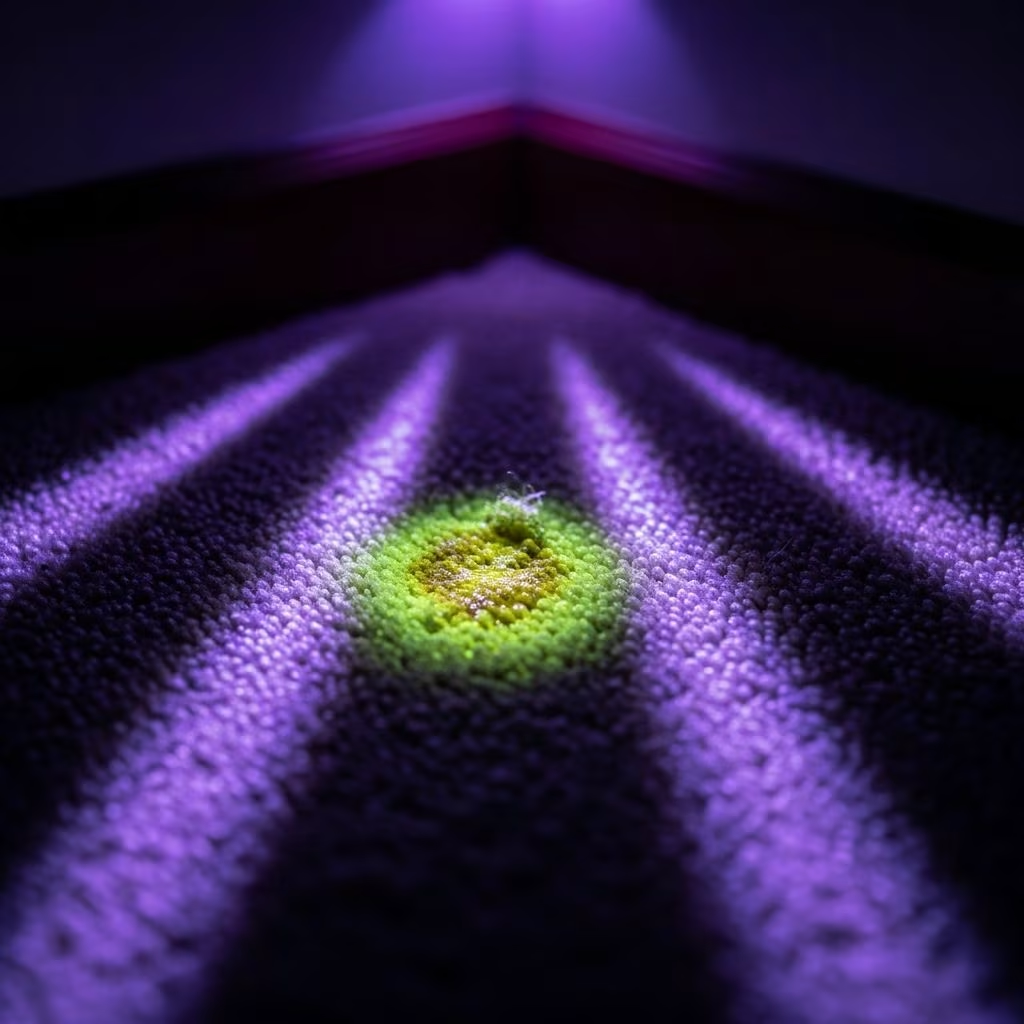
Cat urine does glow under black light, or ultraviolet (UV) light, primarily due to phosphorus compounds that fluoresce when exposed to specific UV wavelengths. This phenomenon allows pet owners to detect hidden stains invisible to the naked eye, making it a valuable tool for maintaining a clean home.
The Science of Fluorescence in Feline Urine
Fluorescence occurs when certain substances absorb UV light—typically in the 365-400 nm range—and re-emit it as visible light. In cat urine, phosphorus and proteins play key roles. Phosphorus, present in urine alongside other organic matter, reacts with oxygen to produce a yellowish-green glow under UV exposure. This is similar to how body fluids like blood or vomit fluoresce, a principle used in forensics and hygiene inspections.
Cat urine’s composition includes urea, creatinine, and minerals like phosphorus, which enhance its fluorescent properties once dry. Wet urine fluoresces weakly or not at all because moisture interferes with the reaction. The glow appears as a pale yellow or greenish hue against darker backgrounds, helping distinguish it from other fluorescent materials.
Why UV Black Lights Are Essential for Pet Owners
Black lights, often handheld flashlights emitting UVA (315-400 nm), reveal old accidents on carpets, upholstery, and furniture where odors linger. Unlike visible light, UV penetrates surface layers to highlight residues that cleaning might have missed. Public health professionals use similar tools to verify cleanliness in facilities, shining UV on surfaces to spot organic contaminants.
For cat owners, this method is crucial during housebreaking, marking issues, or when selling a home. Dogs might urinate near doors or furniture, while cats prefer hidden spots like behind couches or in closets. Regular inspections prevent bacterial growth and persistent smells.
Choosing the Right UV Detection Tool
Not all black lights work equally well. Opt for models with 365-375 nm wavelengths, as shorter ones provide stronger fluorescence without needing eye protection for casual use. Higher-powered LEDs offer better illumination, though they drain batteries faster—rechargeable options extend usability.
| Feature | Recommended Specs | Why It Matters |
|---|---|---|
| Wavelength | 365-375 nm | Optimal for urine phosphorus excitation |
| Power Source | Rechargeable AAA or lithium | Ensures consistent brightness over 50+ hours |
| Intensity | 9+ UV LEDs | Detects faint stains on hard surfaces |
| Safety | No glasses needed for pet models | Unlike forensic UVC lights |
Test your light by shining it on white paper; it should cast a strong purple hue. Weak output indicates dead batteries or a faulty unit.
Step-by-Step Guide to Detecting Cat Urine Stains
- Prepare the Environment: Conduct searches in complete darkness—turn off lights, close curtains, and wait for eyes to adjust. Ambient light washes out fluorescence.
- Equip Properly: Use fresh batteries. Hold the light at arm’s length, starting low to the floor, and scan slowly.
- Scan Methodically: Focus on high-risk areas: litter box vicinities, bedding corners, laundry piles, wall bases, and under furniture. Mark spots with tape or notes while glowing.
- Observe Colors: Look for light yellow-green glows amid bluish room hues. Get closer for subtle stains.
- Account for Variables: Ensure surfaces are bone-dry; humidity diminishes glow.
Common Reasons Detection Fails and Fixes
- Incomplete Dryness: Fresh or damp urine won’t fluoresce reliably. Wait 24-48 hours or use fans/dehumidifiers.
- Surface Interference: Porous carpets show brighter glows than tiles or hardwoods, where thin layers fade quickly. Dark or patterned fabrics camouflage stains—use solid-color uniform surfaces for best results.
- False Positives: Cleaners, spilled drinks, or laundry detergents glow white. Differentiate by urine’s specific yellow tint and odor confirmation.
- Deep Absorption: In thick fabrics, urine soaks below detectable levels. Enzymatic pre-treatments may surface residues for re-scanning.
Cleaning Strategies After Detection
Once stains are found, avoid ammonia-based cleaners—they mimic urine scent and encourage re-marking. Enzymatic cleaners break down proteins and phosphorus at a molecular level.
- Saturate with enzyme solution, let dwell 10-15 minutes.
- Blot excess, rinse, and dry thoroughly.
- Re-scan with UV to verify removal.
- For odors, use activated carbon or ozone generators post-cleaning.
Address behavioral causes: stress, medical issues (UTIs), or litter aversion. Consult vets for persistent problems.
Beyond Cats: UV Light Applications for Pets
UV detection works for dog urine, vomit, feces, and even pests like scorpions. Gemologists and geologists use it for mineral ID, as substances like fluorite glow purple. In households, it verifies handwashing efficacy or hotel cleanliness.
Safety Considerations with UV Tools
Most pet urine detectors are low-intensity UVA, safe without glasses. Avoid prolonged direct eye exposure or UVC lamps used for sterilization, which can harm skin and eyes. Store batteries removed to prevent leaks.
Frequently Asked Questions
Why doesn’t my black light show cat pee glow?
Common culprits: light room, wet surfaces, wrong wavelength, or old batteries. Darken space, dry areas, and test on paper.
How long does urine need to dry for UV detection?
Typically 12-24 hours; absorbent materials may take longer. Ensure low humidity.
Can UV find old, cleaned stains?
Yes, if protein residues remain. Re-clean with enzymes if glow persists.
Does dog urine glow the same as cat urine?
Similar yellow-green due to shared phosphorus, though intensity varies by diet and concentration.
Is a cheap UV flashlight effective?
Only if 365 nm; read reviews for power and battery life. Professional models outperform toys.
Advanced Tips for Persistent Stain Hunters
For multi-level homes, use extension wands or drones with UV attachments. Combine with thermal imaging for moisture detection. Track patterns over weeks to identify behavioral triggers, like anxiety near new furniture.
Invest in multi-tool kits: UV penlights for portability, full-size for rooms. Pair with apps logging stain locations for progress tracking.
References
- Why Doesn’t My UV Black Light Make Pet Urine Glow? — Odorex NZ. 2023. https://odorex.co.nz/blogs/news/why-doesnt-my-uv-black-light-make-pet-urine-glow
- How to Find Urine Stains — Christine DeMerchant. Accessed 2026. https://www.christinedemerchant.com/finding-cat-pee.html
- Science Behind the Glow of Cat Urine — Mann Vet Corner. 2024. https://mannvetcorner.com/science-behind-glow-cat-urine/



