

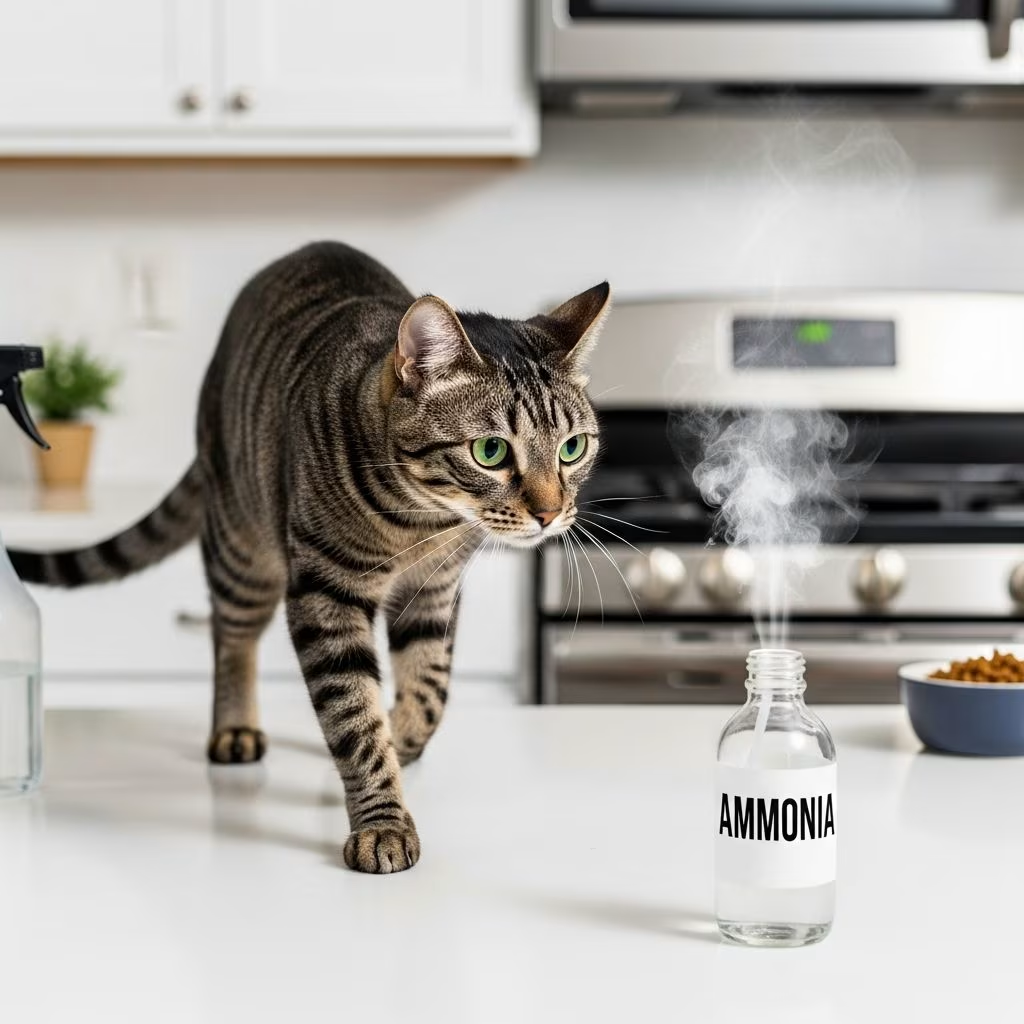
Many homeowners seek ways to discourage stray or neighborhood cats from entering their yards, gardens, or porches. Ammonia, with its pungent odor reminiscent of urine, often surfaces as a suggested repellent. However, this chemical is far from ideal due to its toxicity to cats and limited effectiveness. Exposure can lead to respiratory irritation, poisoning symptoms, and even long-term health damage, making it an unsafe choice.
The Allure and Flaws of Ammonia as a Deterrent
Ammonia’s sharp smell mimics the scent of predator urine or territorial markings, theoretically prompting cats to avoid treated areas. Some anecdotal reports claim short-term success, but scientific and veterinary evidence reveals significant drawbacks. Cats possess an acute sense of smell—14 times stronger than humans—allowing them to detect ammonia at concentrations as low as 3 parts per million (ppm), far below human thresholds. Yet, levels in uncleaned litter boxes can climb to 15 ppm within days, already causing harm.
Rather than fleeing consistently, cats may interpret ammonia as an invitation to remark the territory, leading to increased urination. Inhaling even low doses irritates their sensitive respiratory systems, while direct contact burns skin and mucous membranes. A 1980 study exposed cats to ammonia gas for just 10 minutes, resulting in severe lung damage and fatalities, underscoring the peril for small animals with tiny lungs.
Health Dangers of Ammonia Exposure for Cats
Ammonia’s caustic nature stems from its basic properties, disrupting cellular function and causing inflammation upon contact or inhalation. Cats face heightened vulnerability due to their grooming habits, small body size, and inefficient metabolism of certain toxins.
Respiratory and Immediate Symptoms
- Panting and weakness from oxygen deprivation
- Runny nose and nasal discharge
- Coughing and difficulty breathing
- Drooling from oral irritation
These signs appear rapidly, as ammonia fumes corrode lung tissues, potentially leading to pneumonia or acute respiratory distress.
Gastrointestinal and Systemic Effects
- Vomiting and diarrhea
- Loss of appetite and depression
- Trembling limbs and muscle tremors
- Convulsions in severe cases
If ingested—common via paw licking—ammonia causes oral ulcers, gastric burns, and abdominal pain. Combined with bleach, it forms chloramine gas, exponentially more lethal.
Long-Term and Skin Impacts
- Dull coat and hair loss
- Squinting eyes and burns around the mouth
- Protruding eyeballs and teeth grinding
Chronic exposure exacerbates these, mimicking nonprotein nitrogen poisoning with neurological signs like restlessness and behavioral changes.
| Symptom Category | Common Signs | Severity Level |
|---|---|---|
| Respiratory | Panting, coughing, runny nose | High – Can lead to suffocation |
| Gastrointestinal | Vomiting, drooling, diarrhea | Moderate to High |
| Neurological | Tremors, convulsions, depression | Critical – Requires immediate vet care |
| Skin/Eyes | Burns, dull eyes, hair loss | Moderate – Persistent if untreated |
Why Cats Are Especially Susceptible
Cats’ livers lack sufficient enzymes to process ammonia efficiently, leading to rapid buildup and hyperammonemia—a condition linked to hepatic issues or metabolic disorders. Even functional cobalamin deficiency can indirectly cause elevated ammonia via methylmalonic acid accumulation, manifesting as depression and blindness. Residual pet urine amplifies risks, as evaporating water concentrates ammonia fumes, irritating airways and triggering asthma-like symptoms in enclosed spaces.
Veterinary manuals note early poisoning indicators like facial tremors and excessive urination, progressing to uncooperative behavior and collapse. Diagnosis involves blood/urine ammonia tests, but prompt removal from exposure is vital.
Humane and Effective Alternatives to Ammonia
Opt for non-toxic methods that respect feline welfare while safeguarding your property. These leverage cats’ sensory aversions without harm.
Natural Scent-Based Repellents
- Citrus peels or oils: Strong smells deter cats; scatter peels around plants.
- Coffee grounds or vinegar: Refresh daily for persistent effect.
- Herbs like lavender, rosemary, rue: Plant borders create natural barriers. Avoid essential oils, as their concentrated forms cause drooling, tremors, and liver strain.
Physical and Environmental Deterrents
- Motion-activated sprinklers: Startle cats with water bursts.
- Ultrasonic devices: Emit high-frequency sounds inaudible to humans.
- Chicken wire or mulch: Uncomfortable paw textures on soil.
Habitat Modifications
Eliminate attractants: Secure trash, remove food bowls, trim overgrown areas. Indoor housing for owned cats reduces strays drawn to familiar scents.
| Method | Pros | Cons | Cost |
|---|---|---|---|
| Citrus Peels | Cheap, natural | Needs frequent replacement | Low |
| Sprinklers | Highly effective, covers large areas | Water usage | Medium |
| Ultrasonic | Weatherproof, silent | May habituate over time | Medium-High |
| Herb Planting | Long-term, beautifies yard | Slow to establish | Low-Medium |
Litter Box Management: Preventing Ammonia Buildup Indoors
Healthy cat urine holds minimal ammonia (0.05%), but bacteria convert urea into gas rapidly. Uncleaned boxes reach hazardous levels, harming resident cats. Scoop daily, use clumping litters with odor neutralizers, and ensure ventilation. Baking soda or enzymatic cleaners break down urea without masking dangers.
When to Seek Veterinary Help
Suspect exposure if your cat shows panting, drooling, or lethargy post-cleaning. Vets administer fluids, anti-emetics, and supportive care like calcium gluconate for tremors. Blood tests confirm elevated ammonia, guiding treatment for underlying issues like renal azotemia.
Frequently Asked Questions (FAQs)
Can a small amount of ammonia harm my cat?
Yes, even diluted exposure irritates airways and eyes. Cats detect and react at low ppm levels.
Is ammonia safe around indoor plants or gardens?
No, it risks burning plants and poisoning wildlife or pets.
What if my cat ingested ammonia cleaner?
Rush to a vet; induce vomiting only under guidance to avoid aspiration.
Are there commercial ammonia-free cat repellents?
Yes, seek products with citrus, predator urine mimics, or plant extracts from reputable pet brands.
How long do natural deterrents last?
1-7 days depending on weather; reapply after rain.
Key Takeaways for Pet Owners
Prioritize humane strategies over hazardous chemicals. Ammonia’s risks—respiratory failure, poisoning, territorial escalation—outweigh fleeting benefits. Invest in proven alternatives for a cat-free zone that’s safe for all animals.
References
- Symptoms of Ammonia Exposure in Cats — Lucy Pet Products. 2023. https://www.lucypetproducts.com/blog/faq-items/symptoms-ammonia-exposure-cats/
- Household Toxins for Cats: The 5+ Most Common — Emergency Veterinary Care Centers. 2024-01-15. https://evcc.com/blog/household-chemicals-cats/
- Nonprotein Nitrogen Poisoning (Ammonia Poisoning) — Merck Veterinary Manual. 2025. https://www.merckvetmanual.com/special-pet-topics/poisoning/nonprotein-nitrogen-poisoning-ammonia-poisoning
- Does Ammonia Keep Cats Away? Safety & Effectiveness Explained — Hepper. 2024-06-10. https://articles.hepper.com/does-ammonia-keep-cats-away/
- Feline hyperammonemia associated with functional cobalamin deficiency — PMC (National Library of Medicine). 2023-04-20. https://pmc.ncbi.nlm.nih.gov/articles/PMC10150570/



