

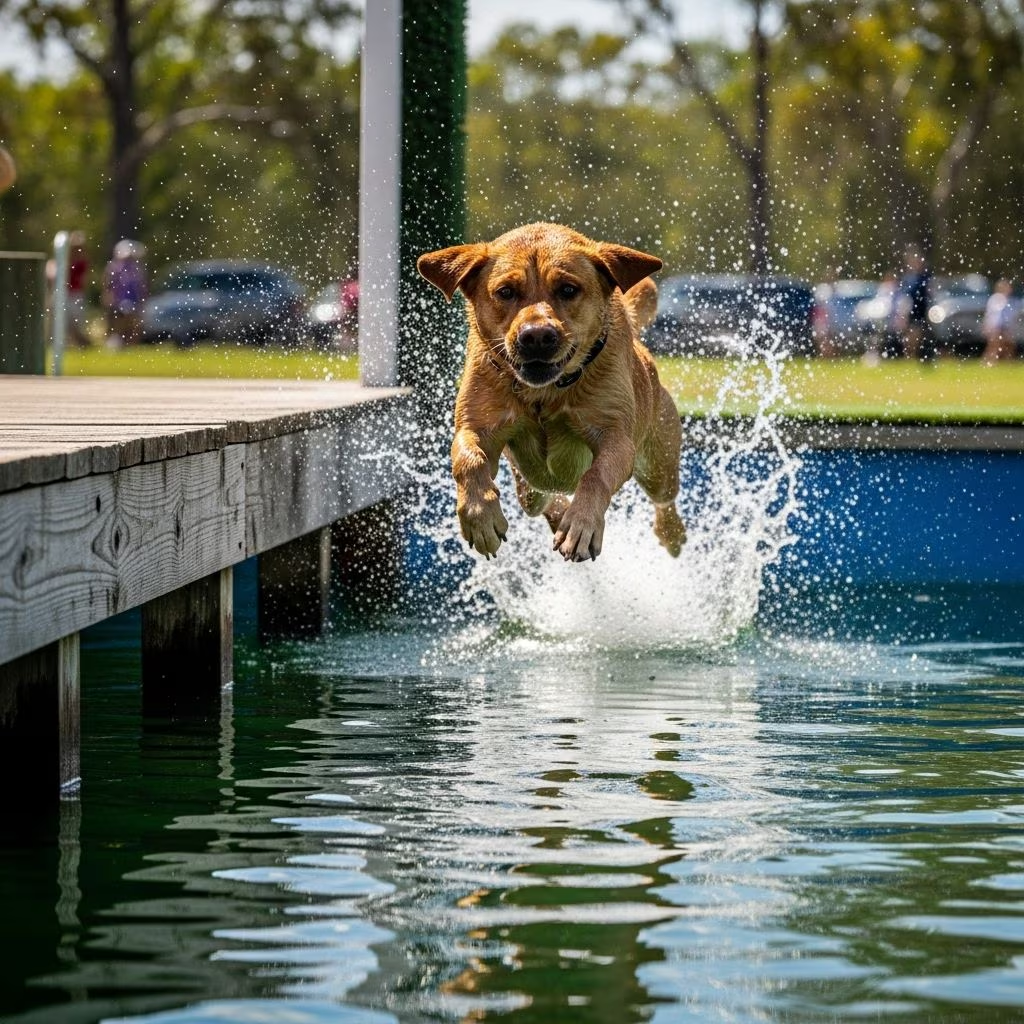
Dock diving captivates dog owners with its blend of athletic prowess, joyful splashes, and unbreakable handler-pet bonds. Dogs sprint across elevated platforms, launching spectacularly into pools to chase toys, testing their speed, power, and precision. This sport welcomes participants of all experience levels, from backyard enthusiasts to elite competitors.
The Rise of an Aquatic Canine Phenomenon
Emerging in the late 1990s, dock diving has exploded in popularity across North America, Europe, and beyond. Sanctioned by organizations like North America Diving Dogs (NADD) and AKC Diving Dogs, events draw thousands annually. Its appeal lies in accessibility: no prior training required, just a love for water and fetch. Competitions feature standardized docks at least 40 feet long and 7.5 feet wide, paired with pools over 41 feet long and 21 feet wide, ensuring fair play.
Handlers throw high-value toys to motivate leaps, measuring success by distance from dock edge to tail base entry point, height cleared, or retrieval speed. This format highlights natural canine talents while building confidence and fitness.
Core Competition Categories Explained
Dock diving offers varied disciplines to suit different strengths. Understanding these helps newcomers choose focus areas.
- Big Air (Distance Jump): Dogs dash full dock length, pursuing thrown toys for maximum distance. Measurement: dock end to tail base splash. World records exceed 30 feet, showcasing explosive power.
- Extreme Vertical (Height Jump): Competitors leap upward from shorter runs to snag bumpers raised incrementally from 4 feet 6 inches. Highest successful grab wins, testing vertical explosiveness.
- Speed Retrieve: Timed challenge starts at 20-foot mark; dogs jump and swim to yank a pool-end toy upon light signal. Fastest overall time triumphs, blending leap and swim speed.
- High Jump and Hang Time: Vertical variants where bumpers rise or extend outward. Dogs get multiple attempts per height/distance; farthest cleared sets the score.
- Air Retrieve: Dogs target suspended bumpers two feet above dock, aiming to knock or grab at progressively farther points. Two tries per distance.
| Discipline | Key Skill | Measurement | Typical Dock Use |
|---|---|---|---|
| Big Air | Distance | Tail base entry | Full 40 ft run |
| Extreme Vertical | Height | Highest bumper grabbed | 20 ft run |
| Speed Retrieve | Speed | Total time to toy | 20 ft start |
| Air Retrieve | Accuracy | Farthest bumper cleared | Variable distances |
Ideal Dog Breeds and Traits for Success
While any water-loving dog can participate, certain breeds dominate leaderboards due to physique and drive. Labrador Retrievers lead with their retrieving instinct, webbed feet, and muscular builds, often hitting 25+ feet routinely. Other stars include:
- Retrievers (Golden, Chesapeake Bay): Natural swimmers with boundless energy.
- Water Spaniels and Setters: Agile leapers with water-resistant coats.
- Belgian Malinois and Border Collies: High-drive herders excelling in speed events.
- Mixes and surprises: Small dogs like Jack Russell Terriers shine in vertical jumps.
Essential traits: strong fetch drive, water confidence, sound hips/joints, and baseline fitness. Age ideal: 1-7 years, avoiding puppies or seniors to prevent injury.
Step-by-Step Training Guide for Beginners
Build skills progressively at home before events. Start in shallow, calm water.
- Water Acclimation: Use lakes or pools for positive swims. Reward entry/exit with toys/treats. Ensure life jackets for hesitant dogs.
- Fetch Mastery: Practice long-distance retrieves on land, then water. Use irresistible toys like bumpers.
- Dock Introduction: Low platforms first (2-3 feet). Walk-run to edge, toss toy short distances. Gradually elevate.
- Jump Building: From 4-6 feet, encourage full runs. Film leaps to analyze form: tucked body, extended legs ideal.
- Event Simulation: 40-foot mock docks; practice all disciplines. Handler timing key—throw just as dog commits.
- Conditioning: Weekly swims, hill sprints, plyometrics for power. Rest to avoid overuse.
Pro tip: Video sessions; optimal launch shows head low, hips high, powerful hind thrust.
Finding and Preparing for Your First Event
NADD and AKC host nationwide events; check calendars online. Entry fees: $25-35 per splash, multiple per day. Requirements: Vaccinations, signed waivers, no females in heat.
Day-of prep:
- Arrive early for practice jumps.
- Warm up with short swims.
- Bring towels, toys, crates, water bowls.
- Handler stays calm; excitement transfers.
First events are non-qualifying fun; advance to titles like NADD Junior with consistent placings.
Health, Safety, and Equipment Essentials
Prioritize vet checks for joint issues, ear infections post-swim. Dry ears thoroughly; use vet-approved cleaners.
Gear checklist:
- High-visibility bumpers/toys.
- Quick-dry towels, flotation vests if needed.
- Non-slip dock booties for traction.
- Cooling mats for hot days.
Supervise all water time; lifeguards at events, but know canine CPR.
Benefits Beyond the Dock
Dock diving boosts physical health: cardio, muscle tone, weight control. Mentally, it channels energy, reduces anxiety via purpose. Handler-dog teams forge deeper trust through shared triumphs. Community aspects—festivals, vendor booths—add social fun for all ages.
Frequently Asked Questions (FAQs)
Is dock diving safe for all dogs?
Yes, with proper screening. Avoid dogs with hip dysplasia or heart conditions; consult vets.
How much does it cost to compete?
$25-35 per jump; annual memberships $50-100 for titles.
Can small dogs participate?
Absolutely—vertical events favor compact builds.
What’s the world record distance?
Over 30 feet in Big Air, set by elite Labs.
Do I need a pool at home?
No; beaches or rentals suffice for training.
Stories from the Splash Zone
Handlers share tales of shy rescues transforming into record-chasers. One Malinois mix, initially terrified of water, now competes nationally after gradual exposure. These narratives underscore dock diving’s inclusivity.
Organizations track stats: average jumps 15-20 feet for novices, scaling with practice. Females often match males, debunking strength myths.
References
- Dock Diving With Your Dog | Complete Guide to Dock Jumping — Sniffspot. 2025-04-27. https://www.sniffspot.com/blog/dog-enrichment/the-ultimate-guide-to-dock-diving-tips-and-techniques-for-success
- Dock Diving for Dogs: A Fun Guide to the Sport, Training, and … — United Dock Diving. N/A. https://www.uniteddockdiving.com/blog/dockdiving
- Dock Diving: What You Need To Know – A Life of Dogs — A Life of Dogs. N/A. https://alifeofdogs.com/dock-diving-dogs/
- Dock Diving: A Dog Sport Guide – The Academy of Pet Careers — The Academy of Pet Careers. N/A. https://www.theacademyofpetcareers.com/blog/dock-diving-guide/
- Diving Dogs 101: How to Compete in Dock Diving Step-By-Step — American Kennel Club (AKC). N/A. https://www.akc.org/expert-advice/sports/diving-dogs-101/
- The Competitive Sport of Dock Diving – Taste of the Wild Pet Food — Taste of the Wild. N/A. https://www.tasteofthewildpetfood.com/articles/lifestyle/canine-sport-dock-diving/
- Dog Sports—Dock Diving – VCA Animal Hospitals — VCA Hospitals. N/A. https://vcahospitals.com/know-your-pet/dog-sports—dock-diving



