

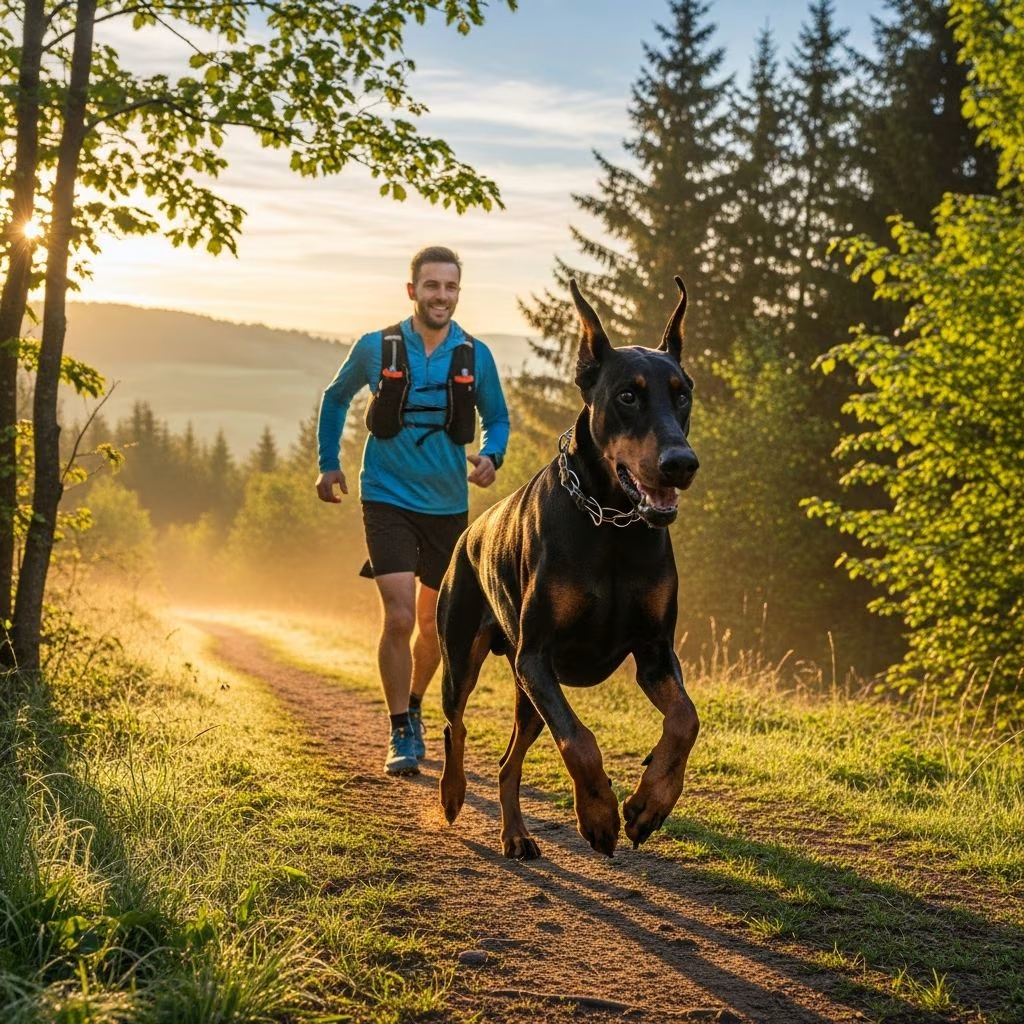
Doberman Pinschers stand out as exceptional running partners due to their remarkable speed, endurance, and athletic physique, making them perfect for owners who enjoy vigorous outdoor activities.
The Athletic Build of Dobermans
Dobermans possess a sleek, muscular frame designed for high-performance movement. Their long legs enable extensive stride coverage, while a deep chest supports efficient oxygen intake during exertion. This breed’s heritage, blending influences from swift hunters like Greyhounds and agile terriers, equips them with rapid acceleration and sustained power.
Capable of reaching speeds between 25-30 mph on average, with peak bursts up to 35 mph or more in optimal conditions, Dobermans surpass many canine competitors and even human sprinters like Usain Bolt at 27.8 mph. In structured events such as AKC FastCAT races, top Dobermans average 24-28 mph over 100 yards, demonstrating both velocity and focus.
Endurance Capabilities for Long Distances
Beyond raw speed, Dobermans exhibit impressive stamina, routinely handling 5-10 mile runs when properly conditioned. Their cardiovascular efficiency and lean muscle mass allow them to maintain pace over extended periods, ideal for trail running or daily jogs.
In competitive arenas like agility trials and flyball, Dobermans thrive on repetitive high-intensity efforts, showcasing their ability to recover quickly between bursts. This versatility extends to weight pulling and barn hunting, where structural soundness prevents fatigue and injury.
| Activity | Doberman Performance | Distance/Speed |
|---|---|---|
| Sprinting (FastCAT) | Top average speeds | 24-28 mph over 100 yards |
| Endurance Runs | Daily capability | 5-10 miles |
| Agility Courses | Clock-based racing | Low 20s seconds for full course |
| Hiking | Trail endurance | 5+ miles |
Age and Conditioning Essentials
Puppies under 2 years should avoid intense running to protect developing joints and bones. Begin with leashed walks, progressing to brisk paces only after skeletal maturity. Gradual buildup prevents overuse injuries, mirroring human training protocols.
- Months 1-6: Short play sessions and gentle walks.
- Months 6-18: Extended walks, introducing trot intervals.
- Age 2+: Incorporate runs, monitoring for fatigue signs.
Conditioning involves balanced nutrition, hydration, and rest days. A strong topline—maintained through core exercises—ensures spinal stability during propulsion.
Training Techniques for Reliable Partners
Effective running requires commands like “heel,” “slow,” and “stop,” taught via positive reinforcement. Use a hands-free leash harness to promote side-by-side positioning, reducing pulling strains.
Simulate runs in low-distraction areas first, gradually adding variables like traffic or terrain changes. Incorporate recall drills to handle distractions, leveraging the breed’s intelligence and drive.
- Establish basic obedience foundation.
- Practice on varied surfaces: pavement, grass, trails.
- Introduce speed changes and stops.
- Test in group settings for socialization.
Health Factors Influencing Performance
Dobermans demand vigilant health management. Screen for hip dysplasia, dilated cardiomyopathy, and von Willebrand’s disease via OFA or PennHIP certifications from reputable breeders. Dilated cardiomyopathy, prevalent in the breed, necessitates annual cardiac exams.
Maintain lean body weight to minimize joint stress; obesity exacerbates orthopedic issues. Regular vet checkups, including bloodwork, ensure metabolic health for sustained activity.
Weather considerations are crucial: avoid extreme heat due to brachycephalic-like panting inefficiencies, and limit cold exposure for thin-coated individuals. Provide paw booties for rough trails.
Gear Recommendations for Joint Runs
Invest in durable, ergonomic equipment:
- Harness: Padded, no-pull design distributes pressure evenly.
- Leash: 5-6 ft adjustable, bungee-corded for shock absorption.
- Collar: Backup GPS tracker for safety.
- Water Gear: Collapsible bowl and portable fountain.
- Paw Protection: Breathable booties for hot/cold/rocky paths.
Human attire should include moisture-wicking fabrics and stable shoes to match the dog’s pace.
Comparing Dobermans to Other Running Breeds
| Breed | Top Speed (mph) | Endurance (miles) | Temperament Fit |
|---|---|---|---|
| Doberman | 25-35 | 5-10 | High energy, loyal |
| Labrador | 20-25 | 4-8 | Friendly, adaptable |
| Border Collie | 25-30 | 6-12 | Herder drive, intense |
| Greyhound | 40-45 | 2-5 | Sprinter, couch potato off-track |
Dobermans balance speed and stamina better than pure sprinters, with superior protection instincts for solo runners.
Real-World Success in Canine Sports
Dobermans dominate flyball, achieving team times under 20 seconds, thanks to their focus amid chaos. In lure coursing, their prey drive propels double-suspension gallops, mimicking wild pursuits. Search and rescue roles highlight terrain-conquering grit.
These achievements underscore their suitability for recreational running, where teamwork amplifies enjoyment.
Nutrition and Recovery Strategies
Fuel runs with high-protein diets (25-30% protein) featuring lean meats, complex carbs, and joint-supporting glucosamine. Post-run recovery includes cool-down walks, massages, and ice packs for swelling.
Hydration is paramount: offer water every 15-20 minutes during sessions exceeding 30 minutes. Electrolyte supplements aid in hot climates.
Potential Challenges and Solutions
High prey drive may cause chasing distractions; counter with consistent training. Over-enthusiasm leads to pacing issues—teach speed matching. Monitor for signs of exhaustion: heavy panting, limping, or reluctance.
Socialization prevents reactivity toward other dogs or cyclists, ensuring safe group runs.
FAQs
Can Dobermans run in hot weather?
Limit exposure; run early mornings or evenings, watching for heatstroke symptoms like excessive drooling.
How often should I run with my Doberman?
4-5 days weekly, alternating with strength training and rest for recovery.
Are female Dobermans as good at running as males?
Yes, both excel equally when conditioned properly.
What if my Doberman has joint issues?
Consult a vet for hydrotherapy or modified low-impact exercises.
Is a Doberman right for beginner runners?
Best for intermediate+ due to their intensity; build fitness together.
References
- Are Dobermans Good Running Dogs? Breed Facts & FAQs — Hepper. 2023. https://articles.hepper.com/are-dobermans-good-running-dogs/
- The Doberman – Versatility — DPCA.org. 2024. https://dpca.org/breed/versatility/
- Dobermans Outrun Usain Bolt?! Secrets of Their Insane 40 Mph Bursts — Doberman Planet (YouTube). 2025-06-22. https://www.youtube.com/watch?v=p0O_9Xa6XX0
- Doberman Pinscher Dog Breed Information — American Kennel Club. 2025. https://www.akc.org/dog-breeds/doberman-pinscher/
- Doberman Pinscher — Orvis. 2024. https://www.orvis.com/doberman-pinscher.html



