

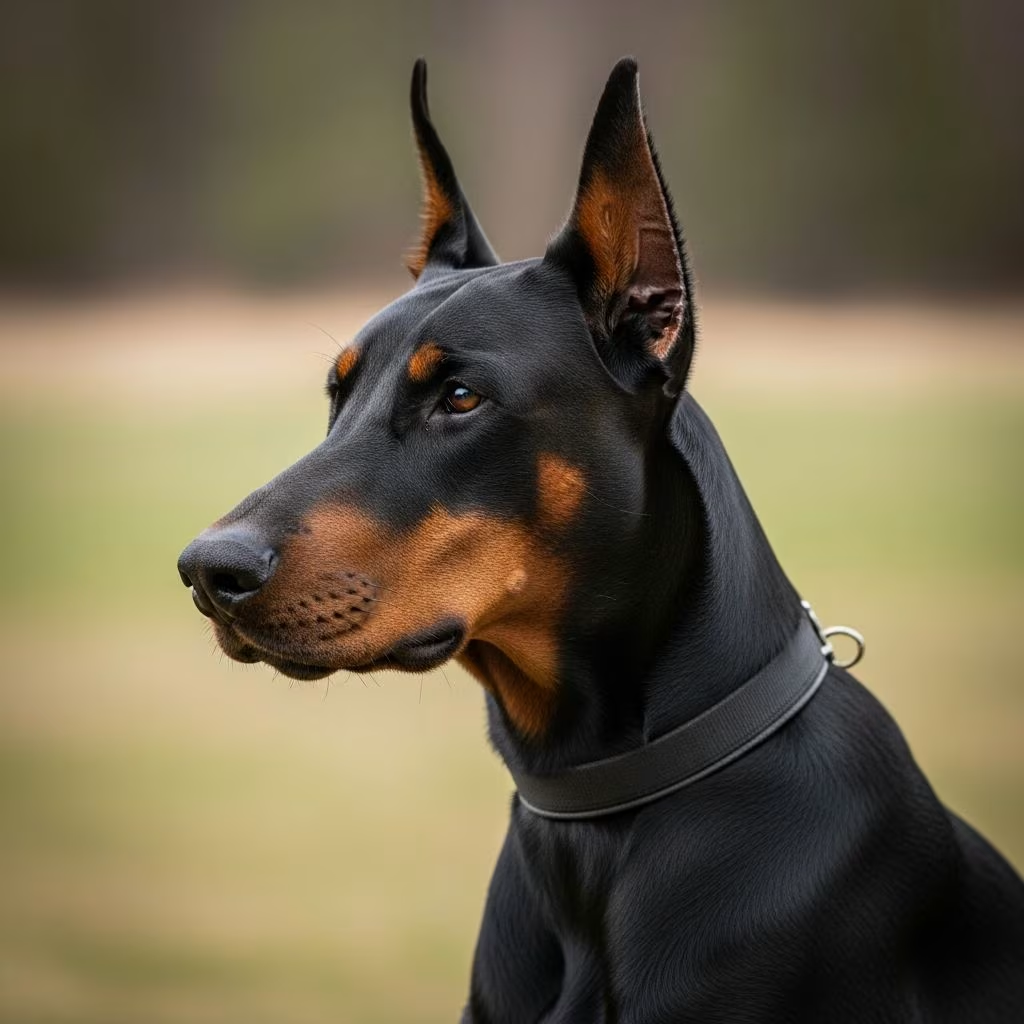
Dobermans are intelligent, athletic dogs that thrive on structured training and mental stimulation. This guide provides original strategies inspired by breed experts to help you raise a confident, obedient companion. From foundational commands to advanced exercises, discover methods tailored to their high energy and protective instincts.
Understanding Doberman Temperament
Dobermans possess a unique blend of loyalty, alertness, and drive, making them exceptional family protectors when properly trained. Their sensitivity to handler emotions requires calm, consistent leadership. Unlike more laid-back breeds, Dobermans demand engaging activities to prevent boredom-induced behaviors like chewing or excessive barking.
- High Intelligence: They learn commands quickly but need variety to stay motivated.
- Prey Drive: Channel this through games like tug or flirt pole for positive outlets.
- Sensitivity: Respond best to firm yet positive reinforcement, avoiding harsh corrections.
Early socialization exposes them to new environments, reducing fear-based reactivity. Start training at 8 weeks with short, daily sessions to capitalize on their eagerness to please.
Essential Obedience Foundations
Build a solid base with core commands: sit, stay, come, and heel. Use voice cues paired with hand signals for reliability in distracting settings.
| Command | Technique | Tips |
|---|---|---|
| Sit | Lure with treat above nose, guide hindquarters down. | Praise immediately; fade treats over time. |
| Stay | Hand signal palm out, increase duration gradually. | Return to dog for reward to reinforce position. |
| Come | Excited recall on long line, reward with play. | Never punish on return to maintain trust. |
| Heel | Start in low-distraction area, use collar pressure and treats. | Keep sessions fun with changes in pace. |
Practice in 10-15 minute bursts twice daily. Consistency across family members prevents confusion.
Building Confidence Through Play
Confidence is key for Dobermans to handle stress. Incorporate games that leverage their athleticism and prey drive.
- Tug-of-War: Allow wins to foster self-assurance; end on your cue to teach control.
- Flirt Pole: Mimics chasing prey, tiring them mentally and physically in small spaces.
- Obstacle Courses: Use household items like chairs or low boxes with rewards to encourage exploration.
- Scent Games: Hide treats for nose work, engaging their superior olfactory skills.
Short, positive leash walks in varied environments build resilience. Gradually introduce crowds and noises, rewarding calm focus on you.
Advanced Handling for Show and Sport
For competitive Dobermans, refine stacking and gaiting. Teach “reach” by holding the chest steady while luring the neck forward with bait, rewarding elongation without leaning.
Progress to collar cues: minimal pressure guides head position. For free stacking, use voice and body signals to position feet squarely.
- Practice before a mirror to self-assess stance.
- Keep sessions fun with dance-like releases and praise.
- Transition from training collars to show leads gradually.
Training Pitfalls to Avoid
Certain methods backfire with Dobermans due to their sensitivity and drive.
- Tight Leash on Reactivity: Increases arousal; instead, create distance and use structured walks.
- Treat-Only Redirects: Leads to dependency; phase to praise-based rewards.
- Yelp for Biting: Ineffective for their play style; ignore and redirect to toys.
- Emotional Handlers: They mirror stress; maintain neutral demeanor.
Opt for breed-specific trainers familiar with working lines.
Daily Routine for Optimal Results
Structure prevents issues:
- Morning: 10-min obedience drill.
- Midday: Confidence game or scent work.
- Evening: Leash walk with heel practice.
- Weekly: Socialization outing or agility intro.
Monitor progress with a journal, adjusting for plateaus.
Nutrition and Health in Training
Fuel performance with high-quality, raw-inspired diets: lean meats, veggies, portioned for energy needs. Avoid overfeeding treats; use low-cal options for frequent rewards.
Frequently Asked Questions
How often should I train my Doberman puppy?
Three 10-minute sessions daily, focusing on fun and positivity.
What’s the best collar for training?
Start with martingale or pinch for corrections, transition to flat show collar.
Can Dobermans do agility?
Yes, their speed excels; begin with home setups.
How to stop leash pulling?
Use structured heeling with stops and changes of direction.
Are treats necessary?
Useful initially, but prioritize verbal praise for independence.
References
- Conformation Training Tips — DPCA. Accessed 2026. https://dpca.org/breeded/conformation-training-tips/
- Raise a Bulletproof Doberman: 7 Confidence Exercises That Work — YouTube (Doberman Planet). 2024. https://www.youtube.com/watch?v=fWzYDjQalJ8
- 5 Training Techniques NEVER to Use on a Doberman — Doberman Planet (YouTube). 2024-02-11. https://www.youtube.com/watch?v=cgicIHWpPX8



