

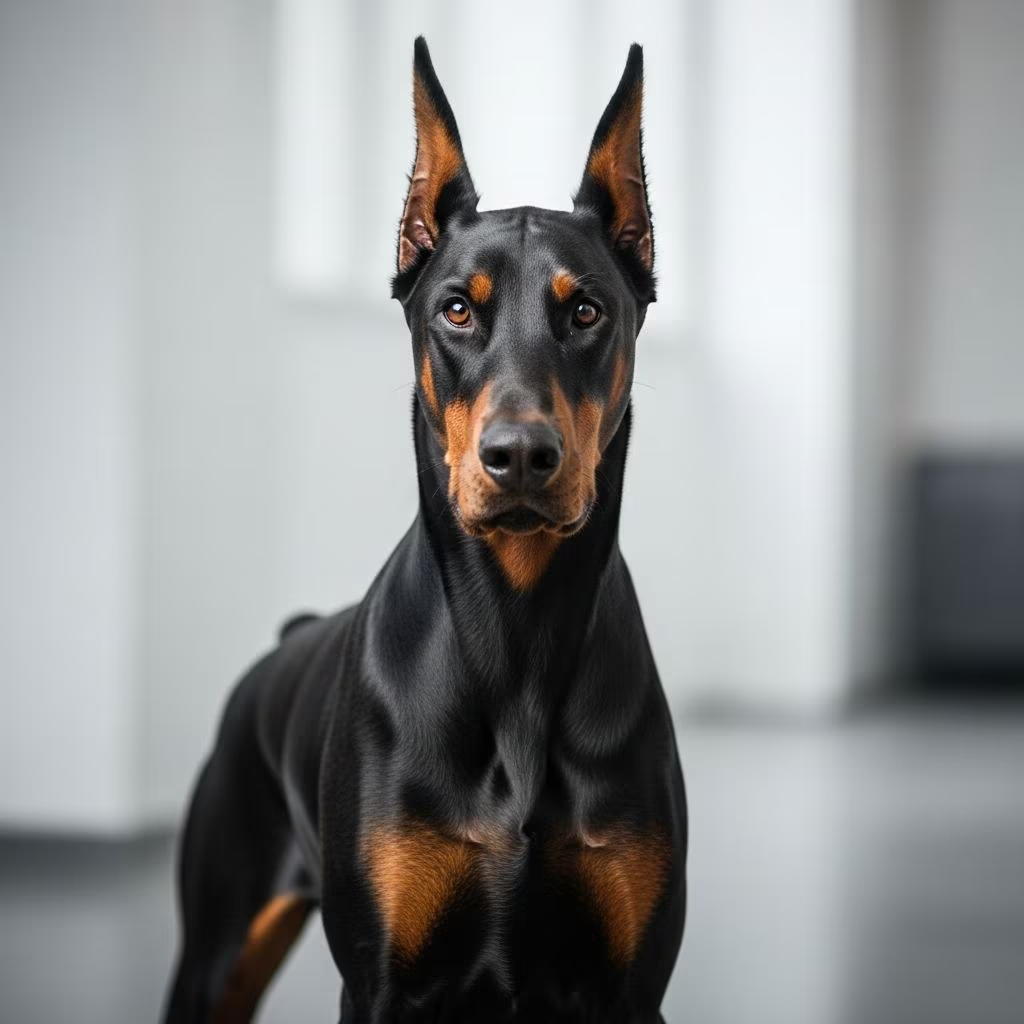
The Doberman Pinscher stands out as a striking blend of athleticism, intelligence, and unwavering loyalty, making it a top choice for protection roles and family companionship. Developed in late 19th-century Germany, this breed combines speed, strength, and sharp instincts into a package that demands respect and rewards dedicated owners with profound devotion.
Roots of the Breed: A Purpose-Built Protector
The story of the Doberman Pinscher begins with Karl Friedrich Louis Dobermann, a multifaceted figure in Apolda, Germany, who juggled roles as a tax collector, night watchman, dogcatcher, and even dog skinner. Facing perilous collections in an era rife with danger, Dobermann sought a canine companion that could deter threats through sheer presence and capability. Around 1890, he meticulously crossed breeds to forge this ideal guardian.
Historians pinpoint influences like the Rottweiler for its robust build and guarding prowess, the old German Pinscher for terrier-like agility and spirit, the German Shepherd for endurance and smarts, and possibly the Weimaraner for scent work and versatility. Early specimens echoed the sturdy butcher’s dogs of Thuringia, with some so akin to Rottweilers that only cropped ears distinguished them at 1899 shows.
After Dobermann’s death in 1894, enthusiasts like Otto Göller refined the breed at the von Thuringen kennel, establishing the first standard and promoting it globally. By 1908, the American Kennel Club registered its inaugural Doberman, marking its rise in the U.S. during the 1920s and 1930s via imported champions.
Physical Characteristics and Appearance
Dobermans embody sleek efficiency: muscular yet elegant frames weighing 60-100 pounds and standing 24-28 inches tall at the shoulder. Their short, glossy coat—typically black, blue, fawn, or red with rust accents on the muzzle, throat, chest, legs, and tail base—requires minimal upkeep and gleams with health.
Traditionally cropped ears and docked tails enhance their alert silhouette, though natural ears flop softly and tails wag expressively in many modern lines. Almond-shaped brown eyes convey vigilance, complemented by a long, chiseled head and arched neck flowing into powerful shoulders.
| Trait | Males | Females |
|---|---|---|
| Height | 26-28 inches | 24-26 inches |
| Weight | 75-100 lbs | 60-90 lbs |
| Coat Colors | Black/rust, blue/rust, etc. | Same |
| Life Expectancy | 10-12 years | 10-12 years |
This table summarizes key metrics, highlighting the breed’s sexual dimorphism while underscoring its balanced proportions.
Temperament and Personality Traits
Beneath the imposing exterior lies a sensitive soul: Dobermans are profoundly attuned to their people, offering fierce loyalty and gentle affection within the family. Alert without excess barking, they sound off decisively at real dangers, excelling as silent sentinels.
- Loyal Guardian: Naturally protective, they assess threats coolly and intervene only as needed.
- Intelligent Partner: Ranking among the sharpest breeds, they master complex commands swiftly.
- Energetic Playmate: Playful with loved ones, they thrive on interaction but can dominate unfamiliar dogs.
- Sensitive Nature: Harsh handling wounds them deeply; positive reinforcement unlocks their best.
Well-socialized Dobermans integrate smoothly with children and pets, their early ferocity tempered by selective breeding into reliable family dogs.
Training Essentials for Success
Harnessing a Doberman’s potential starts with firm, consistent, reward-based methods from puppyhood. Their eagerness to please and rapid learning curve make them stars in obedience, agility, and protection sports.
Begin socialization at 8 weeks: expose them to diverse people, sounds, and environments to foster confidence. Puppy classes build foundational skills like recall and leash manners. Advanced training leverages their work ethic for Schutzhund or search-and-rescue roles.
- Establish leadership through calm authority, never force.
- Use high-value treats and praise for desired behaviors.
- Practice daily short sessions to prevent boredom-induced mischief.
- Incorporate mental puzzles alongside physical drills.
Neglect training at your peril—these thinkers turn resourceful if understimulated.
Exercise and Lifestyle Fit
Dobermans demand 60-90 minutes of vigorous daily activity to channel their vitality. Runs, hikes, fetch games, or canine sports like flyball suit their speed and stamina perfectly.
Ideal homes feature secure yards for patrolling and space for zooming. Active singles, runners, or families with older kids match best; sedentary setups breed frustration. Mental exercise—scent games, trick training—rivals physical output in importance.
Apartment life is feasible with ample outings, but prioritize breeds like this for those committed to dynamic routines.
Nutrition and Feeding Guidelines
Fuel this high-octane machine with premium, large-breed puppy food until 18 months, transitioning to adult formulas rich in glucosamine for joint health. Daily intake: 2-4 cups split into two meals, adjusted for activity and age.
- Prioritize proteins from real meat sources (chicken, beef).
- Include omega fatty acids for coat shine and brain function.
- Avoid fillers; opt for grain-inclusive if tolerated.
- Monitor weight to prevent bloat risk—feed from elevated bowls.
Fresh water always; treats under 10% of calories. Consult vets for personalized plans, especially post-neutering.
Grooming Routine Made Simple
Low-maintenance coats need weekly brushing with a rubber curry to distribute oils and shed minimally. Bathe monthly or as dirt dictates, using gentle dog shampoos.
Nail trims biweekly prevent slips; check ears weekly for wax buildup, especially if natural. Brush teeth daily with enzymatic paste to combat periodontal issues common in deep-muzzled breeds.
Shedding peaks seasonally—vacuum proactively for harmony with neatnik owners.
Health Considerations and Wellness
Dobermans average 10-12 years, prone to dilated cardiomyopathy (DCM), hip dysplasia, von Willebrand’s disease, and hypothyroidism. Annual cardiac screenings from age 2, plus OFA hip/elbow certs from breeders, mitigate risks.
Preventive care: vaccinations, flea/tick/heartworm protocols, and dental cleanings. Dilated cardiomyopathy, a heart muscle weakening, claims many; early echoes save lives. Responsible breeding emphasizes health-tested lines.
| Common Issue | Symptoms | Prevention/Management |
|---|---|---|
| DCM | Lethargy, coughing, fainting | Genetic testing, low-sodium diet, meds |
| Hip Dysplasia | Limping, bunny-hopping | Weight control, joint supplements |
| VWD | Excessive bleeding | DNA tests pre-breeding |
Vigilance ensures longer, fuller lives.
Frequently Asked Questions
Are Dobermans good with kids?
Yes, when raised with them; their protective streak shines, but supervise young toddlers due to size and strength.
Do Dobermans need a lot of space?
They adapt well with sufficient exercise, though yards enhance their patrol instincts.
Is cropping ears necessary?
Cosmetic choice; many countries ban it. Natural ears pose no health detriments with cleaning.
How do I choose a breeder?
Seek health clearances (OFA, OFA cardiac), temperament tests, and DPCA affiliation. Avoid puppy mills.
Can Dobermans live in hot climates?
Short coats aid cooling, but provide shade, water, and avoid peak heat to prevent overheating.
Choosing Your Doberman: Adoption vs. Breeder
Rescue groups like Doberescue offer loving adults needing homes; assess compatibility via fosters. Reputable breeders prioritize health over volume, providing pedigrees and guarantees.
Puppies demand prep: crate, chew toys, puppy-proofing. Either path yields a bond for life with patience.
References
- Doberman Pinscher History: Where the Breed Originated — American Kennel Club. 2023-05-15. https://www.akc.org/expert-advice/dog-breeds/doberman-pinscher-history/
- Breed History — Doberman Pinscher Club of America. 2024-01-10. https://dpca.org/breed/breed-history/
- History of the Doberman 1897-2005 — Doberman Pinscher Club of America. 2023-11-20. https://dpca.org/breeded/history-of-the-doberman-1897-2005/
- Doberman Pinscher Breed Guide: Secrets for Pet Parents — Figo Pet Insurance. 2025-03-12. https://figopetinsurance.com/blog/doberman-pinscher-breed-guide
- Doberman pinscher — Encyclopædia Britannica. 2025-07-08. https://www.britannica.com/animal/Doberman-pinscher
- Breed Spotlight: Doberman Pinscher — Animal Behavior College. 2024-09-05. https://www.animalbehaviorcollege.com/blog/pet-training/breed-spotlight-doberman-pinscher/
- Doberman History — Doberman Rescue. 2024-02-14. https://www.doberescue.net/info/display?PageID=21406



