

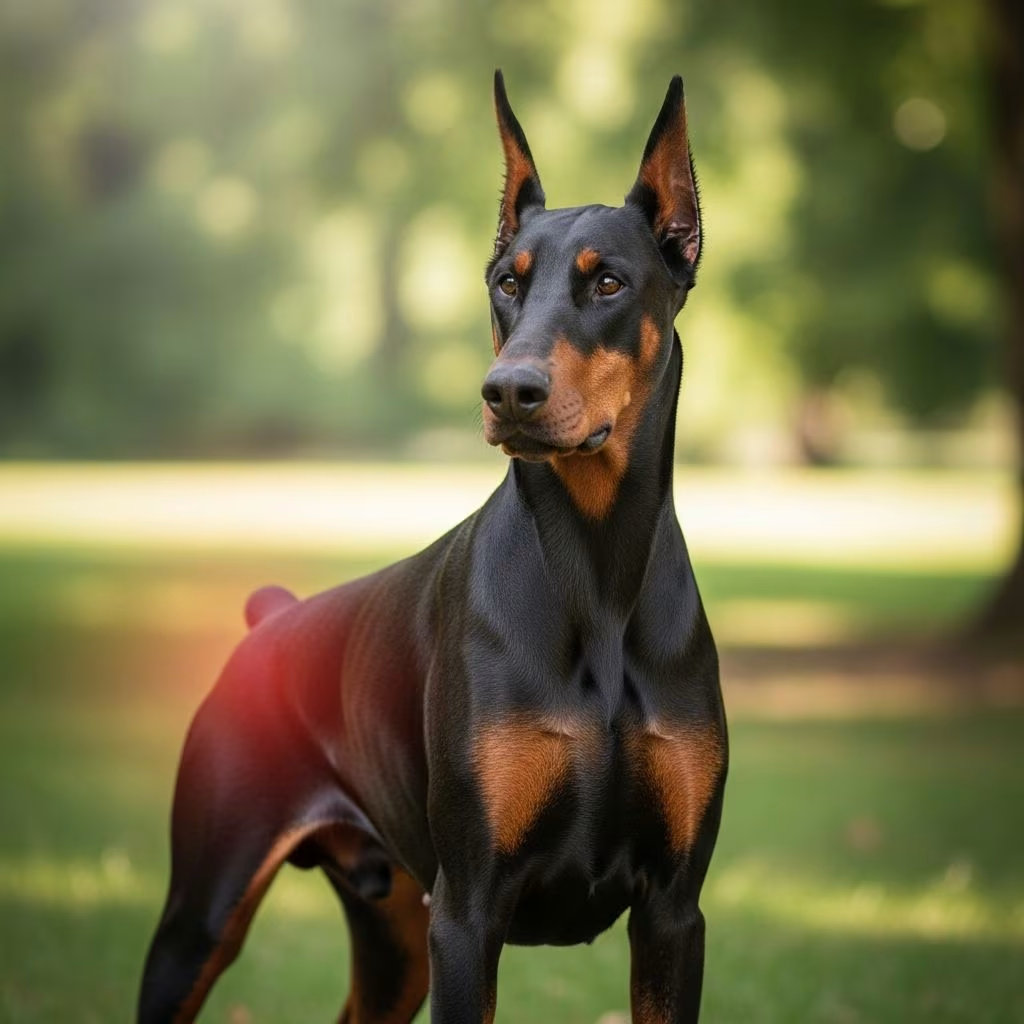
Female Dobermans typically experience their first heat cycle between 9 and 12 months of age, though it can range from 7 to 15 months, marking the onset of reproductive maturity.
Understanding the Reproductive Cycle in Dobermans
The heat cycle, or estrus, is a natural process where a female Doberman becomes fertile and receptive to mating. This cycle repeats approximately twice per year, lasting about three weeks each time, influenced by hormonal changes rather than seasonal factors like daylight. Owners should prepare for behavioral and physical shifts to manage their dog’s comfort and prevent accidental breeding.
Larger breeds like Dobermans tend to start later than smaller dogs due to slower maturation rates. Recognizing the cycle helps in deciding on breeding, spaying, or simply providing supportive care during this period.
Key Indicators of Heat in Female Dobermans
Spotting the early signs allows owners to take proactive steps. These symptoms arise from elevated estrogen levels preparing the body for potential ovulation.
- Swollen and reddened vulva: Increased blood flow causes noticeable enlargement and color change near the vaginal opening, often the first visible cue.
- Bloody or discolored discharge: Light bleeding or spotting occurs initially, requiring protective measures like dog diapers to maintain cleanliness indoors.
- Frequent urination patterns: Urine marks territory with pheromones, leading to more frequent, shorter voids, sometimes on vertical surfaces.
- Excessive genital licking: Instinctive cleaning behavior intensifies as discharge appears.
- Mood fluctuations: Heightened anxiety, irritability, or sudden affection due to hormonal surges, potentially including more barking or hiding.
- Attraction to males: Flagging tail (moving to the side) signals receptivity, with roaming tendencies to seek out intact males.
These signs peak during specific phases, helping differentiate from other health issues like infections.
Breaking Down the Four Phases of the Heat Cycle
The Doberman estrus cycle divides into distinct stages, each with unique physiological and behavioral traits. Understanding them aids in timing interventions.
| Stage | Duration | Main Features | Receptivity to Mating |
|---|---|---|---|
| Proestrus | ~7-10 days | Vulva swelling, bloody discharge, licking, mood changes | No |
| Estrus | ~9 days | Clearer discharge, tail flagging, male attraction | Yes (fertile period) |
| Diestrus | ~60 days | Body recovery or pregnancy preparation, discharge ends | No |
| Anestrus | ~4-5 months | Resting phase, no signs | No |
Proestrus initiates with estrogen rise; estrus features ovulation; diestrus supports implantation if bred; anestrus restores normalcy.
Managing Your Doberman During Heat
Prevention of unwanted litters is crucial. Secure fencing, leashing, and indoor supervision counteract roaming instincts overriding training. Use doggy diapers or pads for discharge management, and provide quiet spaces to ease anxiety.
- Separate from intact males rigorously, as pheromones travel far.
- Maintain hygiene with gentle cleaning and frequent bedding changes.
- Monitor for excessive agitation; calming aids or extra exercise (leashed) can help.
- Avoid off-leash areas entirely during estrus.
Breeders time matings to estrus for optimal fertility, typically allowing 2-3 sessions days apart.
Spaying Considerations for Dobermans in Heat
Spaying removes ovaries and uterus, halting cycles permanently. However, surgery during active heat increases bleeding risks from vascular congestion, so many vets recommend waiting 2-3 months post-cycle. Benefits include cancer prevention and behavioral stabilization, ideally before first heat for joint health in large breeds, though post-heat is common.
Consult a vet for timing; recovery is swift outside heat, with stitches removed in 10-14 days.
Frequency and Lifelong Patterns
Dobermans cycle 1-3 times yearly, intervals lengthening with age. Unlike humans, no menopause occurs; fertility persists lifelong unless spayed. Missed cycles warrant vet checks for pyometra or other issues.
First cycle post-6 months, stabilizing by second year. Track via calendars for patterns.
Health Monitoring Beyond Heat
Heat mimics conditions like UTIs; persistent symptoms post-cycle need exams. Nutrition supports hormonal balance—high-quality diets with omega-3s aid skin/coat during discharge.
Frequently Asked Questions
When does a Doberman have her first heat?
Most between 9-12 months, possibly 6-15 months.
How long is a Doberman in standing heat?
Estrus lasts ~9 days within 3-week cycle.
Can I bathe my Doberman during heat?
Yes, gently; avoid stressing the area.
What if my Doberman misses a heat?
See a vet; may indicate health problems.
Do Dobermans go into heat seasonally?
No, cycles are internal, not weather-dependent.
Long-Term Ownership Tips
Plan spaying early if not breeding. Track cycles yearly. Educate family on signs. Responsible ownership prevents overpopulation.
References
- When Does a Doberman Go Into Heat? Vet Approved Facts & FAQ — Dogster. 2023. https://www.dogster.com/dog-health-care/when-does-a-doberman-go-into-heat
- 12 Signs Your Doberman Is in Heat — Doberman Planet. 2023. https://www.dobermanplanet.com/signs-your-doberman-is-in-heat/
- Stages of Development — Cavalier Doberman Pinscher Club. 2023. https://www.dobermanclub.org/find-a-puppy/buying-a-puppy/stages-of-development/



