

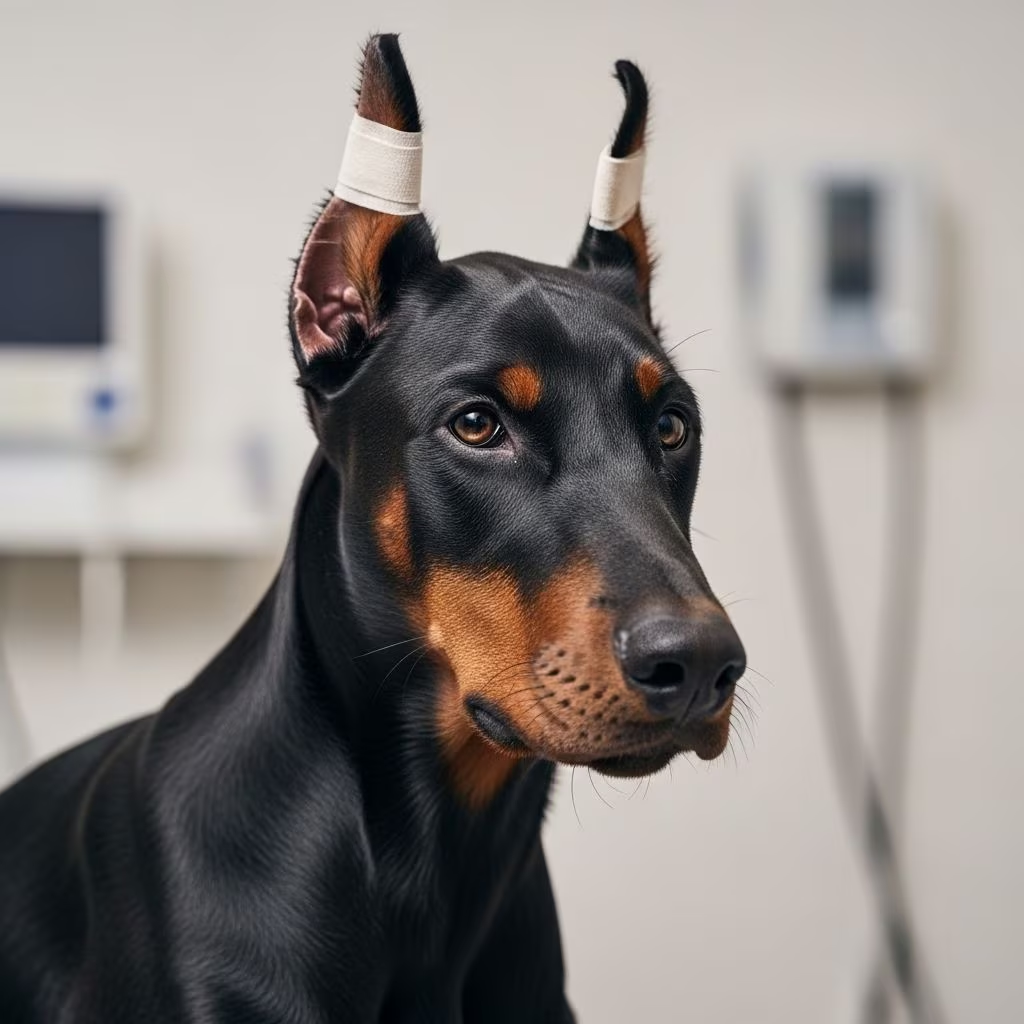
Doberman Pinschers are renowned for their alert appearance, often featuring tall, erect ears that enhance their vigilant look. While these dogs are born with floppy ears, many owners opt for ear cropping—a surgical modification—to achieve the classic upright posture aligned with traditional breed aesthetics. This procedure, though elective, demands careful planning, skilled execution, and diligent aftercare to ensure puppy well-being and desired outcomes.
Understanding the Anatomy of Doberman Ears
Doberman ears consist of soft cartilage covered by thin skin, naturally folding over in a drop-ear configuration at birth. This floppy state provides no functional issues but deviates from the breed’s historical working standards, where upright ears were thought to improve hearing and reduce injury risk during guard duties. Today, cropping reshapes the pinna—the visible ear flap—by excising excess tissue, allowing it to stand erect once healed and supported.
The procedure targets the floppy portions, trimming them to specific heights while preserving blood supply for healing. Without intervention, ears remain pendulous, potentially collecting debris or suffering tears in active dogs. However, modern veterinary consensus emphasizes that natural ears pose no health detriments, positioning cropping purely as cosmetic.
Historical Context and Modern Breed Standards
Ear cropping originated in 19th-century Germany for working dogs like Dobermans, bred by Karl Friedrich Louis Dobermann for protection. Upright ears were believed to prevent attacks from vermin and enhance audio acuity by exposing more canal area. Over time, this practice embedded into American Kennel Club (AKC) standards, where cropped ears remain optional but prevalent in show rings.
In contrast, many European nations ban cosmetic cropping, favoring natural ears. The Fédération Cynologique Internationale (FCI) disqualifies cropped dogs from competitions, reflecting shifting global views toward preserving natural form. U.S. owners must weigh show ambitions against welfare concerns.
Choosing the Right Ear Crop Style for Your Doberman
Dobermans offer versatile crop lengths to suit owner preferences and puppy anatomy. Common styles include:
- Short Crop: Minimal removal, resulting in compact, bell-shaped ears ideal for pets seeking subtlety.
- Medium Crop: Balanced height, popular for show dogs balancing aesthetics with manageability.
- Long Crop: Tall, dramatic ears extending well above the skull, demanding extended posting but iconic for breed enthusiasts.
Selection depends on head size, cartilage strength, and lifestyle. Puppies with thicker ears may suit shorter crops to avoid drooping. Consult experienced breeders or vets for personalized recommendations.
Optimal Timing for the Ear Cropping Procedure
Timing is critical: cropping occurs between 7-12 weeks of age, when puppies heal rapidly and cartilage remains pliable. Delaying beyond 5 months risks incomplete standing or excessive scarring. Pre-surgery fasting (12 hours) precedes general anesthesia, with the operation lasting about 30 minutes.
Vets administer pain relief and antibiotics prophylactically. Laser-assisted cropping minimizes bleeding and swelling compared to scalpel methods, accelerating recovery. Post-op, puppies often resume eating eagerly, indicating minimal distress.
| Age Range | Pros | Cons |
|---|---|---|
| 7-8 Weeks | Fastest healing; ideal cartilage | Risk if puppy underweight |
| 9-12 Weeks | Stronger frame; better standing | Slightly longer recovery |
| Over 12 Weeks | Possible for short crops | Higher complication risk |
Detailed Procedure Walkthrough
Under sterile conditions, the vet marks incision lines based on the chosen style. Anesthesia induces sleep, followed by precise cartilage excision and edge suturing. Ears are then fitted into supportive cups or racks to maintain shape during initial healing. No lasers are universally used, but they offer precision benefits.
The puppy recovers in a quiet space, monitored for vital signs. Owners collect them same-day, armed with care instructions.
Essential Aftercare and Recovery Protocols
Aftercare dominates success: for 7-10 days, ears stay in racks with sutures intact, preventing collapse. Veterinary visits every 2-7 days adjust postings—tape, gauze, and foam rolled into upright forms secured by glue or vet wrap.
Owners administer oral antibiotics, pain meds, and clean sites daily with antiseptic wipes. Collars prevent scratching; soft diets aid rest. Scabs must fully resolve before taping to avoid adhesion issues.
Recovery Timeline Overview
| Phase | Duration | Key Tasks |
|---|---|---|
| Immediate Post-Op | Days 1-3 | Monitor swelling, medicate, restrict activity |
| Suture Removal | Days 7-10 | Vet check, new posting |
| Posting Phase | Weeks 2-10 | Weekly adjustments, tape changes |
| Full Standing | Months 2-6 | Gradual weaning, monitor droops |
Dobermans average 6-10 weeks for initial standing, but long crops may require 6+ months. Commitment is paramount—missed appointments risk flops.
Potential Risks and Complication Management
Though safe with experts, risks include anesthesia reactions, infections, hematomas, and poor healing leading to floppy ears. Swelling peaks early; unmanaged infections scar tissue. Choose vets specializing in crops for artistic precision over routine surgeries.
- Infection Signs: Redness, pus, fever—prompt antibiotic intervention.
- Hematoma: Fluid pockets needing drainage.
- Non-Standing Ears: Often posting errors; corrective surgery rare.
Pros and Cons of Ear Cropping Dobermans
| Pros | Cons |
|---|---|
| Meets AKC show standards | Painful recovery; anesthesia risks |
| Alert, protective appearance | Elective; no medical benefit |
| Potentially fewer ear infections | Legal bans in some areas |
| Customizable styles | Intensive 4-12 month aftercare |
Advocates highlight tradition; opponents, via groups like RSPCA and AVMA, decry unnecessary trauma.
Ethical Debates and Legal Landscape
Cropping sparks welfare debates: AVMA opposes it as cosmetic, citing pain without gain. Bans exist in Australia, parts of Europe; U.S. allows it, though some states regulate. Natural-eared Dobermans thrive as pets, excelling in agility sans surgery. Owners should prioritize ethics over trends.
Finding a Qualified Veterinary Surgeon
Seek board-certified vets with Doberman portfolios. Review success rates, laser use, and posting support. Breeder referrals via Doberman Club of America guide selections. Avoid generalists—expertise ensures symmetry and stance.
Cost Factors and Financial Planning
Expect $500-$1500 for surgery, plus $200-500 for follow-ups. Long crops inflate due to extended care. Pet insurance rarely covers cosmetics; budget holistically.
Alternatives to Surgical Ear Cropping
Natural ears suit many: taping alone rarely erects Dobermans permanently. Implants or gluing offer non-surgical trials, but results vary. Embrace floppy ears for low-maintenance charm.
Frequently Asked Questions (FAQs)
Does ear cropping hurt Doberman puppies?
Anesthesia ensures no pain during surgery; post-op meds manage discomfort effectively.
How long do Doberman ears take to stand after cropping?
Typically 6-10 weeks initially, up to 6 months fully.
Is ear cropping legal everywhere?
No—banned in EU nations, parts of Australia; permitted in U.S..
Can adult Dobermans get cropped?
Possible but riskier; best under 5 months.
Do cropped ears prevent infections?
Unproven; natural ears clean easily with care.
References
- Doberman Ear Crops — Doberman Club of America. Accessed 2026. https://www.dobermanclub.org/find-a-puppy/buying-a-puppy/doberman-ear-crops/
- Ear Cropping Procedure in Doberman Puppies — YouTube (Video). 2022-07-22. https://www.youtube.com/watch?v=0iVxuuR0VMU
- Ear Cropping in Dogs — RSPCA. Accessed 2026. https://www.rspca.org.uk/adviceandwelfare/pets/dogs/health/earcropping
- Ear Cropping Recovery and Aftercare — Normandy Blvd Animal Hospital. Accessed 2026. https://www.normandyblvdanimalhospital.com/ear-cropping-recovery-and-aftercare-a-complete-guide-for-owners
- Pet Ear Cropping And Cosmetic Surgery — Southgate Animal Clinic. Accessed 2026. https://southgateanimalclinic.com/pet-ear-cropping-and-cosmetic-surgery-milwaukie-or/
- Comprehensive Guide to Ear Cropping in Dogs — Luvncare.net. Accessed 2026. https://luvncare.net/dog-ear-cropping/
- Ear Cropping — South Meadow Animal Clinic. Accessed 2026. https://southmeadowanimalclinic.com/ear-cropping/
- Ear Cropping in Dogs Literature Review — American Veterinary Medical Association. 2024-10. https://www.avma.org/sites/default/files/2024-10/avma-lit-review-ear-cropping-0824.pdf



