

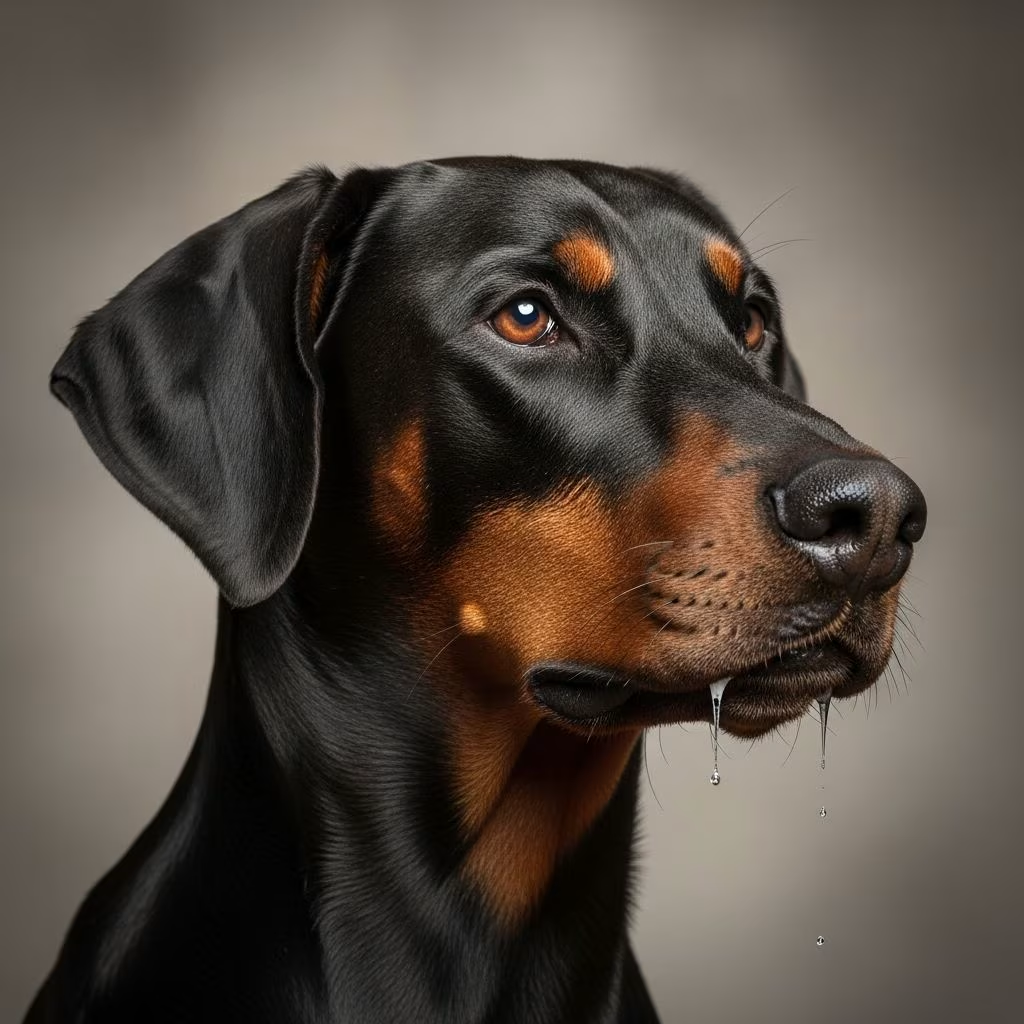
Dobermans have earned a reputation as sleek, dignified working dogs, and their minimal drooling contributes to this polished appearance. Unlike certain heavy-drooling breeds, Dobermans tend to keep their drool production relatively modest, making them an appealing choice for owners concerned about excessive slobber on furniture and clothing. Understanding the reasons behind this breed characteristic and recognizing when drooling might indicate an underlying issue can help Doberman owners maintain their pets’ health and comfort.
The Science Behind Canine Salivation
Saliva serves multiple essential functions in a dog’s physiology beyond simply creating the wet mouth we often associate with drooling. This biological fluid plays a critical role in the digestive process by lubricating food, making it easier for dogs to swallow dry kibble and other solid foods. Additionally, saliva contains enzymes that initiate the breakdown of food before it even reaches the stomach, setting the stage for efficient digestion.
The moisture produced by salivary glands also maintains the health of delicate mucous membranes throughout the mouth and throat. Dogs regulate their body temperature differently than humans, relying primarily on panting and mouth-based heat dissipation rather than sweating through their skin. When a dog pants or breathes rapidly, saliva helps facilitate this cooling process through evaporation from the tongue and mouth surfaces.
Sensory perception represents another important function of canine saliva. Dogs use moisture to enhance their already remarkable sense of smell—one of their most valuable tools for navigating the world. When dogs wet their noses with saliva, they improve their olfactory capabilities, allowing them to detect scents more effectively and gather more information from their environment.
Why Breed Morphology Matters for Drooling Levels
Not all dog breeds drool equally, and the primary reason lies in their physical structure. Certain breeds possess large, loose skin folds around their lips and muzzle area, creating what veterinarians call flews—the pendulous upper lips that hang down from the mouth. These anatomical features create natural reservoirs where saliva accumulates rather than being swallowed.
Breeds like Saint Bernards, Mastiffs, and Bloodhounds exemplify this condition. The excess skin surrounding their mouths physically prevents them from retaining all the saliva they produce, so it either drips continuously from their lips or gets flung through the air when they shake their heads. Water can similarly become trapped in these skin folds after drinking, adding to the wet appearance.
Dobermans, by contrast, have evolved with a more streamlined facial structure. Their lips fit snugly against their muzzles without the excessive folds that characterize heavy-drooling breeds. This anatomical advantage means Dobermans can retain most of their saliva within their mouths, resulting in noticeably less external drooling compared to other large dog breeds.
Normal Drooling Scenarios for Dobermans
Even though Dobermans aren’t classified as heavy droolers, they absolutely do produce saliva in normal, predictable situations. Recognizing these expected drooling moments helps owners distinguish between ordinary behavior and potential health concerns.
Anticipatory Drooling
Dobermans frequently drool when they expect mealtime. Watching their owners prepare food, hearing the sound of treats being retrieved, or even just seeing the food bowl can trigger salivary gland activation. This response is automatic and controlled by the same digestive instincts that prepare their bodies for eating. Some mild excitement drool during these moments is completely normal and requires no intervention.
Exercise-Related Moisture
After physical activity or exercise, Dobermans naturally produce additional saliva as their bodies work to cool down through panting. During and after workouts, vigorous play sessions, or training activities, you may notice your Doberman appears wetter around the mouth than usual. This represents the dog’s thermoregulatory system functioning properly and is entirely normal.
Sleep and Relaxation
Some drooling during sleep is common across virtually all dog breeds, including Dobermans. When dogs rest deeply, their facial muscles relax, making it easier for saliva to pool in their mouths and potentially escape onto bedding or nearby surfaces. This occasional drooling during peaceful sleep poses no concern whatsoever.
Negative Taste Responses
Interestingly, Dobermans may drool when they encounter something with an unpleasant taste. This reaction can occur when they’ve sampled medication, a bitter substance, or food they find unappealing. The excessive salivation represents the dog’s attempt to clear their mouth of the unpleasant taste and dilute any residual flavor.
Distinguishing Normal from Abnormal Drooling
The challenge many Doberman owners face involves recognizing when increased drooling crosses the line from normal to concerning. Because this breed naturally produces minimal external drool, any dramatic increase in salivation warrants attention and investigation.
Characteristics of Excessive Drooling
Abnormal drooling in Dobermans typically presents as continuous, unexplained salivation that seems disproportionate to their activity level or circumstances. A Doberman with excessive drooling might drip saliva throughout the day without any clear triggering factor like mealtime or exercise. This condition often accompanies other symptoms that provide crucial diagnostic clues.
Bad breath frequently accompanies abnormal drooling in dogs, suggesting underlying oral or gastrointestinal issues. Changes in eating habits—such as reluctance to eat kibble, preference for wet food, or dropping food while chewing—may indicate dental disease or oral pain making swallowing difficult.
Behavioral and Physical Warning Signs
When excessive drooling appears alongside other symptoms, veterinary attention becomes urgent. Owners should monitor for and report the following signs:
- Digestive disturbances including vomiting, diarrhea, or regurgitation
- Lethargy or unusual tiredness exceeding normal rest patterns
- Loss of appetite or sudden disinterest in food
- General weakness or difficulty standing and moving
- Head tilting or balance problems suggesting neurological involvement
- Behavioral changes including aggression, excessive vocalization, or uncharacteristic nervousness
- Physical signs like uneven pupils or visible mouth injuries
- Abdominal swelling or tension suggesting bloating
- Pawing at the mouth or apparent oral discomfort
Medical Conditions Associated with Excessive Drooling
Veterinary medicine recognizes numerous conditions that can trigger excessive drooling in dogs, ranging from minor issues that resolve independently to serious emergencies requiring immediate treatment.
Gastrointestinal and Digestive Disorders
Problems affecting the stomach and intestines frequently manifest as increased drooling. Upset stomachs from dietary indiscretion or food sensitivity often cause temporary drooling that resolves once the digestive system settles. More serious conditions like bloating (gastric torsion or gastric dilatation-volvulus), foreign object ingestion, and pancreatitis represent true medical emergencies, particularly in large breeds like Dobermans.
Bloat deserves special mention because Dobermans fall into the predisposed category for this life-threatening condition. Bloating occurs when the stomach fills with gas and potentially twists, cutting off blood supply. Dogs experiencing bloat often retch without producing vomit, display a swollen and drum-tight abdomen, and may drool excessively. This condition requires emergency veterinary intervention within hours to prevent death.
Dental and Oral Health Issues
Dental disease represents one of the most common causes of excessive drooling in dogs. Tartar buildup, gingivitis, tooth decay, and gum disease create pain and inflammation that affect saliva production and swallowing. Dogs with dental problems often prefer softer foods, exhibit persistent bad breath, and may seem hesitant during eating.
Heat-Related Concerns
Dogs increase their drooling as an early warning sign of overheating. Excessive drooling combined with bright red gums, glazed eyes, and heavy panting indicates your Doberman is experiencing heat stress and needs immediate cooling measures. Heat stroke represents a genuine emergency requiring immediate veterinary care to prevent organ damage and death.
Toxin Exposure and Poisoning
Certain toxins and irritating substances trigger drooling as an early symptom. Dogs that have ingested bleach, corrosive chemicals, toxic plants, or substances like chocolate or alcohol may display increased salivation. The drooling represents the body’s attempt to clear the irritant or dilute the toxic substance.
Neurological and Motion-Related Issues
Neurological conditions, though less common, can cause excessive drooling. Partial seizures, botulism, and other nerve disorders may present with increased salivation as one symptom among many. Motion sickness and anxiety can also trigger temporary increases in drool production.
Emergency Drooling Scenarios Requiring Immediate Care
Certain combinations of symptoms involving excessive drooling demand immediate emergency veterinary attention. Owners should not delay seeking professional help when they observe:
- Drooling accompanied by collapse, weakness, or apparent disorientation suggesting shock
- Very pale gums combined with rapid breathing or an unusually fast heart rate, potentially indicating internal bleeding
- Swollen, tight abdomen with retching and gagging (possible bloat)
- Severe behavioral changes, uncontrolled aggression, or profound disorientation
- Loss of consciousness or inability to stand
- Visible bleeding from the mouth or other body areas
When to Contact Your Veterinarian
Establishing a relationship with a trusted veterinarian and knowing when to seek professional guidance protects your Doberman’s health. While occasional drooling needs no veterinary attention, schedule an appointment if:
- Your Doberman suddenly increases drooling without an obvious cause like excitement or heat
- Increased drooling persists for more than a day or two
- Bad breath accompanies the drooling
- Your dog shows reluctance to eat or difficulty swallowing
- Any of the warning signs listed above appear, even in mild form
- You notice behavioral changes alongside the increased salivation
Your veterinarian can perform oral examinations, take cultures or samples, order bloodwork or imaging as needed, and provide definitive diagnosis and treatment plans.
Practical Management and Prevention
While drooling itself cannot be prevented in dogs—it represents a normal and necessary biological function—owners can take steps to manage it and prevent related complications:
Oral Health Maintenance
Regular dental care significantly reduces the risk of dental disease-related drooling. Brushing your Doberman’s teeth several times weekly, providing dental chews, and scheduling professional cleanings as recommended by your veterinarian helps maintain oral health.
Heat Management
Ensure your Doberman has access to shade and fresh water, especially during warm months or intense exercise. Avoid strenuous activity during peak heat hours, and monitor for signs of overheating before they progress to heat stroke.
Safe Environment
Remove household toxins, secure medications, and prevent access to toxic plants. Supervise your dog during outdoor time to prevent ingestion of unknown substances or toxic foods.
Training and Monitoring
Teaching your Doberman basic commands helps you maintain control during situations that might trigger anxiety or excitement-related drooling. Regular monitoring of eating habits, behavior, and overall demeanor helps you catch changes early.
Frequently Asked Questions
Is it normal for Dobermans to drool when excited or anticipating food?
Yes, some drooling during excitement or food anticipation represents completely normal canine behavior. The salivary glands activate automatically when dogs prepare for eating or experience emotional excitement. As long as this remains occasional and doesn’t seem excessive, there’s no cause for concern.
Could my Doberman be drooling more due to heat?
Absolutely. Excessive heat leads to increased drooling as dogs attempt to regulate their body temperature through panting and salivation. Ensure your dog stays hydrated and cool, and watch for signs of heat stress like heavy panting, lethargy, and bright red gums. These symptoms warrant immediate cooling measures and potentially veterinary attention.
What should I do if my Doberman’s drooling is accompanied by bad breath?
Bad breath combined with drooling typically indicates dental issues such as gum disease or tooth decay. Schedule a veterinary examination to have your dog’s mouth thoroughly evaluated. Professional dental cleaning or other treatments may be necessary to address the underlying problem.
How can I tell if my Doberman’s drooling represents a medical emergency?
Medical emergencies involving drooling generally present with additional serious symptoms like collapse, pale gums, difficulty breathing, swollen abdomen, or behavioral changes. When in doubt about whether a situation requires emergency care, contact your veterinarian immediately or visit an emergency clinic. It’s always better to err on the side of caution with potential emergencies.
Conclusion: Supporting Your Doberman’s Health
Dobermans’ relatively low drooling tendency represents one of the breed’s appealing characteristics, but this trait also means that any sudden increase in salivation warrants investigation. By understanding normal drooling patterns, recognizing warning signs of health issues, and maintaining regular veterinary care, Doberman owners can ensure their companions receive appropriate attention when needed. While most episodes of increased drooling resolve quickly, remaining vigilant helps catch serious conditions early, potentially making the difference between routine treatment and emergency intervention. Your Doberman depends on you to recognize changes in their normal behavior and seek professional guidance when something seems amiss.
References
- Why Do Dogs Drool? — American Kennel Club. Accessed 2026. https://www.akc.org/expert-advice/health/why-do-dogs-drool/
- Do Dobermans Drool a Lot? What You Need to Know! — Hepper. Accessed 2026. https://articles.hepper.com/do-dobermans-drool-a-lot/
- Do Dobermans drool a lot? — Dial A Vet. Accessed 2026. https://www.dialavet.com/vet-answers/doberman-drooling-after-walks-34213
- Is Excessive Drooling An Emergency for Dogs? — Veteris. Accessed 2026. https://veteris.co.uk/petcare-advice/is-excessive-drooling-an-emergency-for-dogs



