

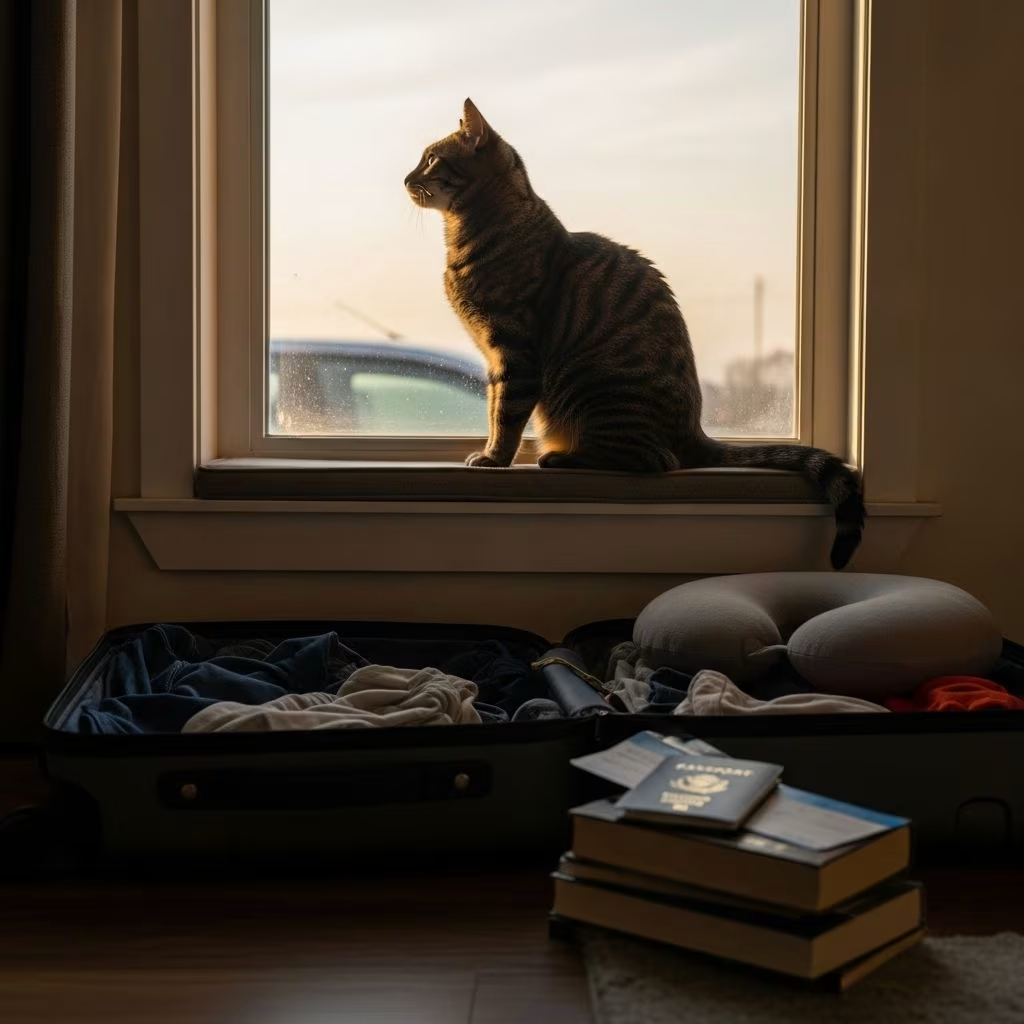
Cats often display subtle behavioral changes when their owners prepare to leave, indicating they perceive upcoming separations through routine cues and heightened sensitivity. These independent creatures form strong bonds and can experience stress akin to separation anxiety, manifesting in vocalizations, litter box avoidance, and clinginess.
How Do Cats Know You’re Leaving?
Cats are highly observant animals with exceptional senses, allowing them to detect changes in daily routines that signal an owner’s departure. They notice patterns like packing suitcases, jingling keys, or grabbing coats, associating these with being left alone. Studies confirm cats experience elevated physical stress when separated from humans, with symptoms easing upon reunion, proving they form attachments despite their solitary reputation.
Visual and auditory cues play a key role. A cat might watch intently as you roll a suitcase or hear the rustle of travel preparations. Their internal clocks track feeding times precisely, heightening awareness when routines disrupt. Environmental shifts, such as less interaction or altered scents upon return, further clue them in.
Signs Your Cat Knows You’re About to Leave
- Clinginess and following you everywhere: Cats may shadow owners more closely, seeking reassurance before departure.
- Increased vocalization: Excessive meowing or howling as you prepare, signaling distress.
- Aggressive interruption: Biting hands reaching for bags or jumping on legs during coat-donning, an attempt to prevent leaving.
- Overgrooming or restlessness: Pacing, trembling, or excessive licking in anticipation of solitude.
These behaviors correlate directly with pre-departure activities, distinguishing them from general stress.
Do Cats Get Sad When You Leave for Vacation?
Many cats exhibit sadness or frustration during owner absences, particularly if routines change abruptly. Subtle signs include hiding more, acting clingier upon return, or refusing food. While cats sleep up to 18 hours daily, minimizing short-term notice, longer separations like vacations trigger loneliness in social felines.
Separation-related frustration mimics anxiety, especially in cats unaccustomed to solitude in their current home. Even with others present, they may fixate on the specific absent owner. Destructive acts or appetite loss underscore emotional impact.
Signs of Separation Anxiety in Cats
Separation anxiety presents through observable stress indicators tied to owner absence. Monitoring via home cameras reveals hidden behaviors.
| Sign | Description | Frequency |
|---|---|---|
| Elimination outside litter box | Urinating/defecating inappropriately when alone | Common |
| Excessive vocalizing | Howling, meowing persistently; check with neighbors | Very common |
| Destructive behavior | Clawing furniture, knocking objects | Frequent |
| Appetite changes | Refusing food, especially when boarded | Common |
| Overgrooming | Excessive licking leading to bald spots | Moderate |
| Aggression | Attacking during departure prep or return | Occasional |
| Hiding/restlessness | Pacing, trembling, startling easily | Common |
| Health issues | Vomiting, diarrhea in extreme cases | Rare |
Over-exuberant greetings upon return or escape attempts also signal distress. Early detection prevents escalation.
How to Help Your Cat Cope When You’re Away
Mitigate anxiety by desensitizing cues, enriching environment, and maintaining routines.
- Minimize departure fanfare: Leave quietly without goodbyes, keys jangling, or jacket rituals to reduce triggers.
- Use cameras: Pet cams allow remote monitoring and interaction via treats/sounds.
- Enrich environment: Provide toys, scratching posts, window perches for stimulation during sleep cycles.
- Practice short absences: Gradually increase alone time to build tolerance.
- Regular check-ins: Pet sitters for feeding, play, socialization during extended trips.
- Comfort items: Leave worn clothing for familiar scent; puzzle feeders for engagement.
For vacations, multiple cats can provide companionship, softening isolation. Consistency reassures cats of return.
Do Cats Miss Their Owners?
Cats miss owners, evidenced by stress biomarkers rising in absence and dropping upon reunion. Personality influences response: some revel in freedom, sleeping soundly, while others pine, showing protectiveness. Social bonds drive this; even independent cats seek family safety. Quick pets before short outings reinforce connection without rousing cranky sleepers.
Frequently Asked Questions (FAQs)
What are the first signs my cat knows I’m leaving?
Cats show clinginess, vocalizing, or interrupting preparations like grabbing keys.
Can cameras help with cat anxiety?
Yes, home cameras reveal pacing, vocalizing, or trembling when alone.
Do all cats get separation anxiety?
No, but routine changes or inexperienced solos increase risk.
How long can I leave my cat alone?
Short errands are fine due to sleep needs; vacations require sitters.
Does having multiple cats help?
Yes, companionship reduces loneliness during absences.
What if symptoms persist?
Consult a vet to rule out medical issues mimicking anxiety.
This comprehensive guide empowers cat owners to recognize and alleviate separation stress, fostering secure bonds for stress-free travels.
References
- Cat Separation Issues: Understanding the Signs and How to Help — Paw CBD. 2023. https://www.pawcbd.com/blogs/posts/cat-separation-issues-understanding-the-signs-and-how-to-help
- Helping Your Cat with Being Left Alone & Separation Anxiety — Arm & Hammer. 2024. https://www.armandhammer.com/en/articles/tips-leaving-cat-alone-separation-anxiety
- Do Cats Get Sad When You Leave for Vacation? — Green Paws Chicago. 2023. https://greenpawschicago.com/what-to-do-for-cats-when-you-go-on-vacation/
- Cats and separation anxiety — Cats Protection. 2024-01-14. https://www.cats.org.uk/cats-blog/does-my-cat-have-separation-anxiety
- What Your Cat Thinks About When You’re Not Home — Comforted Kitty. 2023. https://comfortedkitty.com/what-your-cat-thinks-about/
- How to Manage Cat Separation Anxiety — Chewy. 2024. https://www.chewy.com/education/cat/health-and-wellness/please-dont-go-how-to-manage-separation-anxiety-in-cats
- Do Cats Experience Separation Anxiety? — Boston Veterinary Clinic. 2024. https://www.bostonveterinary.com/web-tails/cat-separation-anxiety/



