

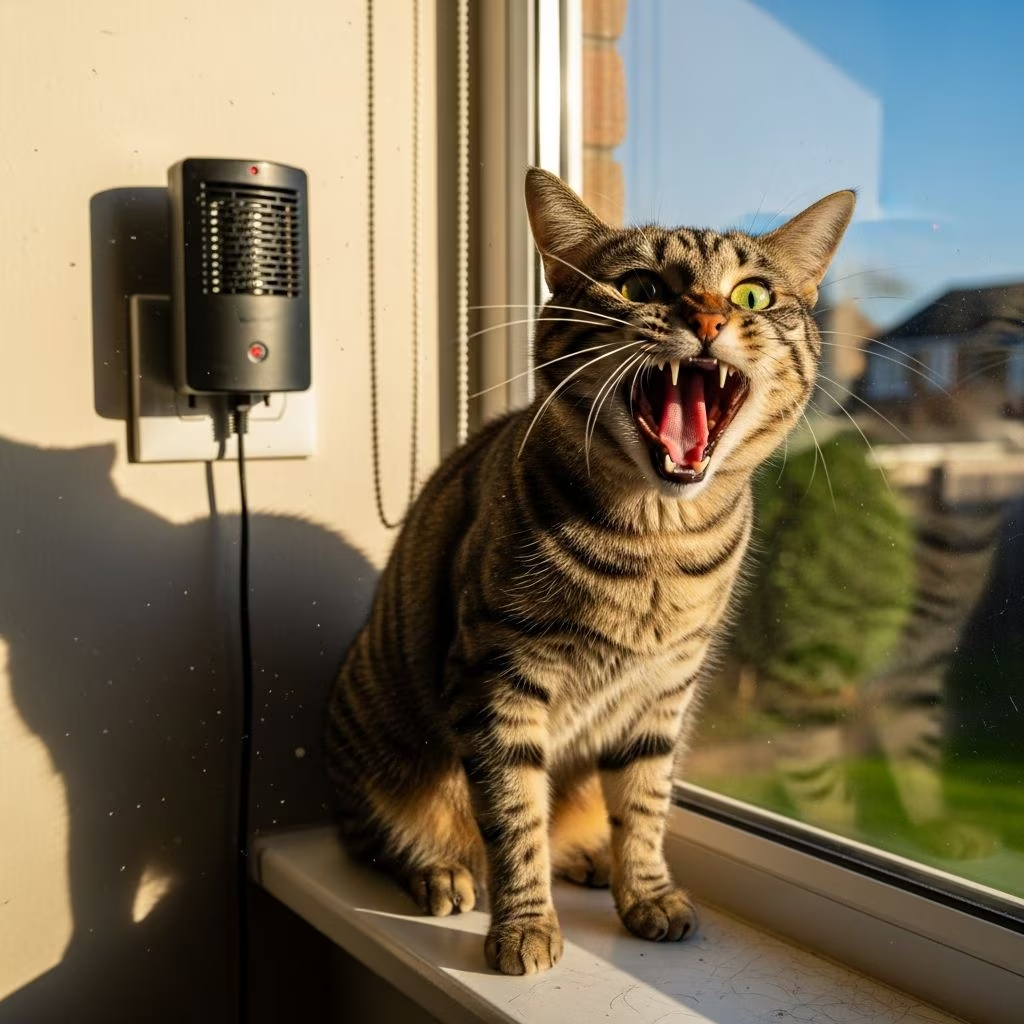
Ultrasonic pest repellers emit high-frequency sound waves designed to deter rodents and insects without chemicals or traps, but their impact on household cats varies due to felines’ acute hearing capabilities.
Understanding Ultrasonic Technology in Pest Management
These compact devices plug into outlets or run on batteries, releasing sound frequencies typically above 20 kHz—beyond human detection but within the audible range for many animals. The principle relies on creating an uncomfortable acoustic environment for pests, prompting them to vacate treated areas without physical harm.
Devices often feature motion sensors that activate bursts of sound upon detecting movement, conserving energy and mimicking natural predator warnings. Advanced models incorporate variable frequencies (20-60 kHz) and visual cues like flashing lights to enhance deterrence, covering spaces from small rooms to expansive yards.
Feline Auditory Sensitivity: Why Cats Might Notice
Cats possess superior hearing, detecting frequencies from 48 Hz to 85 kHz, far surpassing humans’ 20 Hz to 20 kHz range. This adaptation aids hunting small prey emitting high-pitched calls, making cats particularly attuned to ultrasonic emissions.
While low-intensity outputs generally go unnoticed, sudden volume spikes or prolonged exposure can register as irritating, akin to a persistent buzz. Cats’ ear muscles allow precise sound localization, amplifying their response to novel noises. Habituation—where animals adapt over time—occurs in some cases, but territorial felines may persist despite initial aversion.
Potential Effects on Indoor and Outdoor Cats
For indoor cats, placement near resting spots or litter areas heightens risk of disturbance. Outdoor or feral cats facing these devices in gardens often retreat quickly, as studies show reduced garden intrusions with motion-activated units.
Individual temperament plays a key role: shy cats avoid affected zones promptly, while bold ones may ignore or challenge the sound. Environmental factors like walls or weather can diminish efficacy outdoors, indirectly affecting cat interactions.
Recognizing Stress Indicators in Your Cat
Observe behavioral shifts post-installation to gauge tolerance. Common reactions include:
- Avoidance of the device’s vicinity or hiding in unusual spots
- Appetite loss or refusal of favorite foods
- Excessive self-grooming or scratching furniture
- Increased vocalization, clinginess, or aggression
- Gastrointestinal issues like diarrhea
- Lethargy or disrupted sleep patterns
These signs stem from acoustic irritation, novelty stress, or both. Prompt identification allows adjustments before chronic anxiety develops.
Scientific Insights and Research Findings
A University of Lincoln study, published in Applied Animal Behaviour Science and funded by Cats Protection, monitored garden devices and found significant reductions in cat entries, though results varied by individual. Sensitive cats avoided areas after minimal exposure; others habituated to constant tones.
Animal welfare groups endorse ultrasonics as humane, non-invasive options over poisons or traps, emphasizing no evidence of hearing damage at standard intensities. However, efficacy against pests remains debated, with calls for more robust trials.
Optimizing Devices for Cat-Friendly Homes
| Feature | Benefits for Cats | Implementation Tips |
|---|---|---|
| Motion-Activated | Reduces constant exposure | Position away from cat zones; test activation range |
| Adjustable Frequency | Prevents habituation | Start low (20-30 kHz); cycle settings weekly |
| Low-Intensity Mode | Minimizes irritation | Use in cat-accessible areas; monitor first 48 hours |
| Multiple Units | Covers without overlap | Space 10-15 feet apart; avoid bedrooms |
Combine with habitat modifications: secure trash, eliminate food scraps, and block shelter spots to amplify results without relying solely on sound.
Alternatives to Ultrasonic Repellers for Pet Owners
If feline distress persists, consider these options:
- Natural deterrents: Peppermint oil, citrus peels, or diatomaceous earth target pests sans sound.
- Mechanical traps: Catch-and-release for rodents, placed cat-proof.
- Professional services: Integrated pest management focuses on prevention.
- Sealing entry points: Caulk gaps and screens for long-term exclusion.
These methods sidestep auditory concerns entirely, prioritizing pet well-being.
Placement Strategies to Minimize Feline Impact
Strategic positioning enhances pest control while safeguarding cats. Install in basements, garages, or attics—infrequent cat territories. Maintain 3-6 feet clearance from primary paths. For multi-cat homes, rotate units to disrupt pest patterns without fixed exposure.
Test incrementally: Introduce one device for 24-48 hours, noting reactions. Relocate if avoidance behaviors emerge. Battery models offer flexibility for outdoor trials.
Long-Term Considerations and Maintenance
Regular checks ensure optimal function: replace batteries quarterly, clean sensors, and verify outlet stability. Vary frequencies seasonally to counter adaptation in both pests and cats. Track efficacy via pest sightings and cat logs for data-driven tweaks.
Consult veterinarians for persistent stress, ruling out unrelated health issues. Most cats acclimate within 1-2 weeks, yielding pest-free zones harmoniously.
Common Myths About Ultrasonic Devices and Cats
Myth: They harm cat hearing. No evidence supports damage; sounds mimic natural discomforts.
Myth: All cats react identically. Variability depends on age, breed, and personality—kittens and seniors may be more sensitive.
Myth: Ineffective overall. Best as part of multi-faceted approaches, per research.
FAQs
Are ultrasonic pest repellers painful for cats?
No, they induce mild discomfort to encourage avoidance, not pain. Welfare experts deem them safe when escape routes exist.
How soon do cats adapt or show effects?
Immediate avoidance in responsive cats; 7-14 days for broader shifts. Monitor closely initially.
Can they affect other pets?
Dogs hear some frequencies but rarely distress; rodents and small mammals suffer more. Reptiles may react proximally.
Do they work better indoors or outdoors?
Indoors for precision; outdoors with weatherproof models and clear lines of sight.
What if my cat ignores the device?
Enhance with attractant removal and frequency changes; consider alternatives if ineffective.
References
- Ultrasonic Cat Deterrent Reviews: Is It Really Working? — Sonic Barrier. 2023. https://sonic-barrier.us/blogs/cats/ultrasonic-cat-deterrent-reviews
- Will an Ultrasonic Pest Repeller Bother My Cat? Vet-Reviewed — Catster. 2023. https://www.catster.com/lifestyle/will-ultrasonic-pest-repeller-bother-cat/
- Myth Busting: Do Ultrasonic Pest Repellers Work? — Preferred Pest Control. 2023. https://www.preferredpest.com/education/blog/myth-busting-ultrasonic-pest-control-devices



