Do Sugar Gliders Bite Often? Understanding Pet Behavior
Learn why sugar gliders bite, how often it happens, and effective prevention strategies.
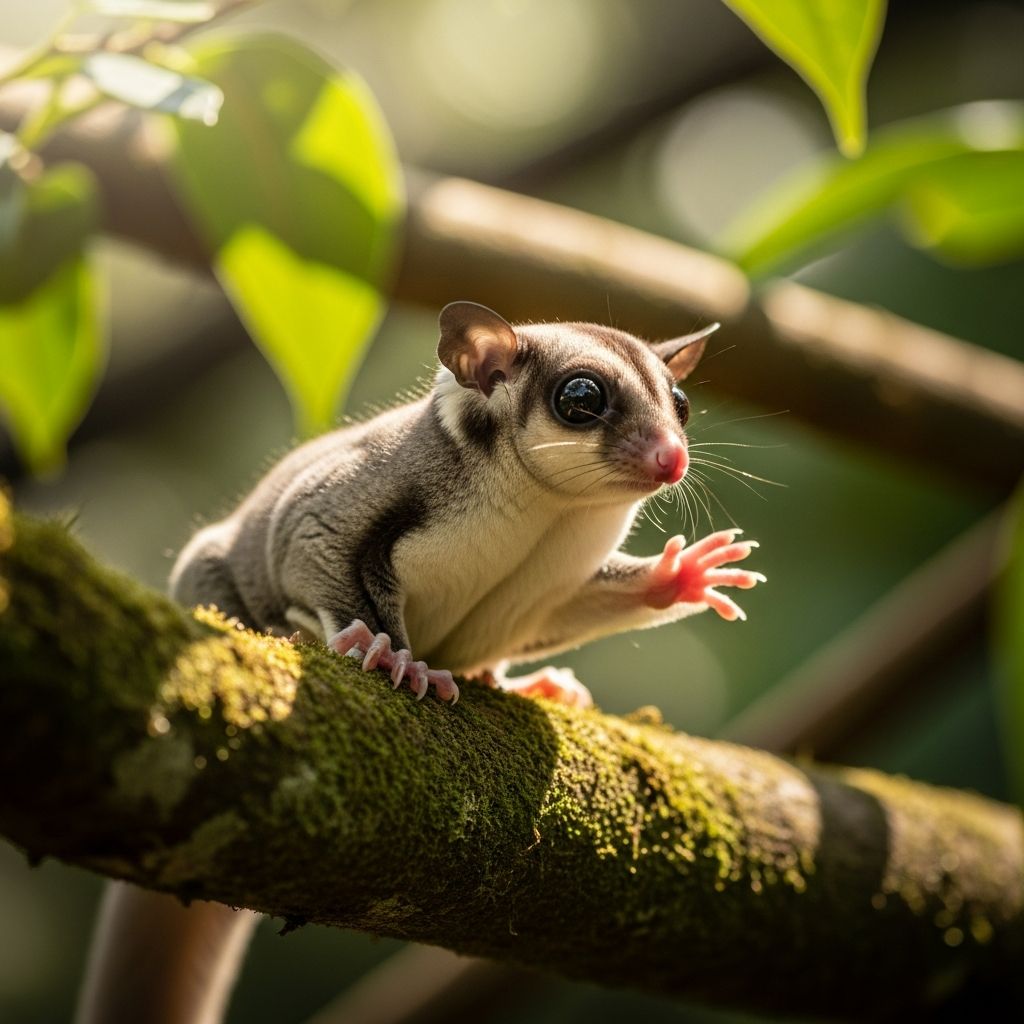
Do Sugar Gliders Bite Often?
Sugar gliders are adorable small pets known for their gliding abilities and social nature, but potential owners often wonder about their biting tendencies. Understanding whether sugar gliders bite frequently and why they do so is essential for anyone considering these creatures as companions. The short answer is yes, sugar gliders can bite, but the frequency and severity depend on various factors including their age, temperament, socialization level, and the specific situation.
Most gliders will strike, bite and pull back when they feel threatened, but these bites tend to be more surprising than painful, especially from younger animals. However, it’s important to recognize that not all biting is aggressive behavior. Sugar gliders bite for numerous reasons, many of which are natural behaviors rather than signs of a problematic pet.
Why Do Sugar Gliders Bite?
Sugar gliders communicate through various means, and biting is one way they express their needs and emotions. Understanding the root causes of biting behavior is crucial for addressing and preventing it effectively.
Fear-Based Biting
The most common reason sugar gliders bite is fear. When gliders are first brought into a new home, they experience significant stress. They are naturally territorial animals that bond by scent, and sudden environmental changes can trigger defensive behavior. A frightened glider will often assume a defensive posture, sometimes called the “Mr. Miyagi position,” where they crab and strike at their handler. While this intimidating display looks aggressive, it’s actually a warning signal that the glider feels threatened.
Understanding this distinction is vital because how you respond determines whether the biting behavior will continue. If you pull your hand away when a scared glider strikes, you reinforce the behavior by essentially rewarding the glider’s defense mechanism. The glider learns that biting successfully drives away the threat.
Testing Boundaries and Teenage Nippiness
Sugar gliders, like many animals, test boundaries to understand their social hierarchy and environment. A phenomenon in the glider community known as “teenage nippiness” occurs during puberty when gliders suddenly begin biting after a period of good bonding and behavior. This typically happens between 3-6 months of age when gliders reach sexual maturity and establish their place in the colony hierarchy.
Unlike fear-based biting, teenage nippiness usually doesn’t involve crabbing or an aggressive stance. Instead, a bonded glider sitting contentedly in your hands will suddenly chomp down. While annoying, this behavior is usually temporary, and most gliders naturally outgrow it as they mature.
Scent Recognition Issues
Sugar gliders have an incredibly strong sense of smell and use scent for identification and bonding. If you’re wearing unfamiliar fragrances—such as cologne, scented soaps, or perfumed lotions—your glider may bite because they don’t recognize your scent. To minimize this issue, avoid wearing heavy fragrances or scented products when handling your gliders. Maintaining a consistent personal scent helps your glider recognize and trust you more readily.
Tasting and Exploration
Gliders sometimes nibble on their handlers as a form of identification and exploration. This is particularly common on areas with different textures, such as hair, ears, knuckles, or other body parts that feel unlike regular skin. What appears to be biting is actually the glider exploring and “tasting” to gather information about their environment. This behavior is rooted in their natural foraging instincts—their fingers appear branch-like to a glider, triggering their natural digging and searching behaviors.
Grooming and Affection
Sugar gliders are social animals that groom each other within their colonies as a sign of bonding and affection. When your glider nibbles or “love bites” you while sitting contentedly in your hands, they’re often displaying natural social behavior. Some gliders are very gentle with their grooming, while others can be more aggressive, even though both are attempting to show affection.
This type of biting is distinctly different from fear-based striking. It occurs when the glider is relaxed and comfortable, and the nibbling is gentle rather than hard strikes. However, if your glider has a particular affinity for nibbling your cuticles, this can become bothersome or even painful over time.
Poor Handling or Discomfort
Sometimes gliders bite because their handlers are doing something they don’t appreciate, such as squeezing too tightly or inadvertently hurting them. Learning to read your glider’s body language and understanding their preferences is essential. If you recognize warning signs and adjust your handling accordingly, you can prevent many bites before they occur.
True Aggression
True aggression in sugar gliders is rare. Genuine aggression looks very different from defensive biting. An truly aggressive glider will wake immediately when the cage door opens, launch themselves at you, bite down hard, and hold on rather than quickly striking and pulling back. If this is not what’s happening, your glider is likely exhibiting defensive or exploratory behavior rather than aggression.
It’s also important to note that breeding female sugar gliders may display increased protective behavior when they have young, as they naturally become more territorial during this period.
Do Sugar Glider Bites Hurt?
The severity of sugar glider bites varies depending on the age and size of the glider. Bites from 8-week-old gliders, which is the ideal age for bringing new gliders home, rarely cause injury and don’t typically hurt significantly. However, bites from older gliders aged 12-16 weeks can be noticeably more robust and powerful.
Most gliders will strike, bite, and pull back quickly, and the experience tends to be more shocking or surprising than painful. Young gliders rarely break skin unless they’re actively aggressive, which is uncommon. Bites from fear or exploration are typically quick nips rather than sustained wounds. The impact on you depends on your pain tolerance and where on your body the glider bites, with more sensitive areas like fingers or cuticles being more bothersome than other body parts.
How Often Do Sugar Gliders Bite?
The frequency of biting depends heavily on individual glider personalities and your handling practices. Some gliders bite frequently, while others rarely or never bite. Key factors influencing biting frequency include:
Age and Development Stage
Young gliders typically bite more frequently than adults as they explore their world and test boundaries. The teenage nippiness phase can result in increased biting for a few weeks or months. As gliders mature past puberty, biting frequency typically decreases significantly.
Socialization and Bonding
Well-socialized gliders that have bonded with their handlers bite far less frequently than those that haven’t had adequate human contact. Gliders brought into homes at 8 weeks of age and handled regularly from the start develop trust and exhibit fewer biting incidents.
Environmental Factors
Sugar gliders are nocturnal animals, so they have reduced vision during the day. This can lead to increased biting as they explore their surroundings more cautiously using their mouths to identify objects and people. Handling your gliders primarily during their more active evening and nighttime hours can reduce biting incidents triggered by poor daytime vision.
Handler Experience
Experienced handlers who understand glider body language and can read warning signs before a bite occurs naturally experience fewer biting incidents. They adjust their handling techniques, recognize when a glider needs space, and respond appropriately to defensive posturing.
Prevention Strategies
Reducing biting behavior requires understanding what triggers it and taking proactive steps to prevent incidents. Here are effective prevention strategies:
Avoid Punishing Your Glider
Physical punishment is counterproductive and will make biting worse, not better. Sugar gliders don’t understand punishment as correction; they only perceive it as a threat, which increases defensive biting. Never hit, flick, or harm your glider in response to biting. Instead, focus on understanding the root cause and addressing it appropriately.
Maintain Consistent Scent
Avoid wearing colognes, perfumed lotions, scented soaps, or other fragrant products that could confuse your glider’s scent recognition. Maintaining a consistent personal smell helps your glider recognize and trust you more readily. Wash your hands with unscented soap before handling your glider when possible.
Handle Textured Areas Carefully
If your glider frequently nibbles on specific body parts like hair, ears, or knuckles, consider wearing gloves, hats, or earphones to protect these areas and discourage the behavior. This prevents your glider from becoming overstimulated by unusual textures.
Practice Proper Handling Techniques
Hold your glider gently and securely without squeezing too tightly. Rough handling or accidental injuries will trigger defensive biting. Learn to read your glider’s body language and recognize warning signs like crabbing or backing away, which indicate they need space.
Establish Trust Gradually
With newly acquired gliders, patience is essential. Expect some defensive behavior initially and don’t reinforce biting by pulling away. Gentle, consistent handling helps gliders overcome their fear and build trust in you. As trust develops, biting frequency naturally decreases.
Avoid Daytime Handling When Possible
Since sugar gliders are nocturnal and have reduced vision during daylight hours, they’re more likely to bite defensively during the day. Whenever possible, handle your gliders during evening and nighttime hours when they’re more alert and can see better.
Frequently Asked Questions
Q: Are sugar glider bites dangerous?
A: Sugar glider bites are rarely dangerous. Young gliders don’t typically break skin, and older gliders’ bites, while potentially more painful, still aren’t serious for most people. The main concern is ensuring proper wound care if the skin is broken. However, individuals with compromised immune systems should take extra precautions.
Q: Can you train sugar gliders not to bite?
A: Yes, you can reduce biting behavior through proper handling, socialization, and understanding the root causes. However, some biting is natural behavior that can’t be completely eliminated. Most gliders naturally reduce biting as they age and bond with their handlers.
Q: Why does my bonded sugar glider suddenly start biting?
A: Sudden biting in a previously well-behaved glider often indicates teenage nippiness (during puberty), a change in scent recognition, or that you’re inadvertently doing something that makes your glider uncomfortable. Assess any recent changes in your routine or appearance.
Q: Do all sugar gliders bite?
A: No, not all sugar gliders bite frequently. Some gliders are naturally gentler than others, and well-socialized gliders that have bonded with their handlers bite far less often than unsocialized individuals.
Q: Is my sugar glider aggressive if it bites?
A: Biting doesn’t necessarily indicate aggression. Most sugar glider biting is defensive, exploratory, or affectionate. True aggression is rare and displays as unprovoked, sustained attacks. Most biting incidents are misunderstood natural behaviors.
Q: How long does the teenage nippiness phase last?
A: Teenage nippiness typically lasts a few weeks to a few months during the glider’s puberty phase (around 3-6 months of age). Most gliders naturally outgrow this behavior as they mature.
Conclusion
Sugar gliders do bite, but understanding why they bite and how to prevent it makes them manageable and enjoyable pets. Most biting is defensive, exploratory, or affectionate rather than aggressive. Young gliders bite more frequently than adults, and fear-based biting is the most common type encountered by new owners. By maintaining consistent handling practices, avoiding wearing strong fragrances, recognizing your glider’s body language, and building trust gradually, you can significantly reduce biting incidents and enjoy a wonderful relationship with your sugar gliders. Remember that patience and understanding are key to success with these fascinating small pets.
References
- Dear Arnold; Why do Sugar Gliders bite? — Sugar Gliders Educational Blog. 2024. https://sugar-gliders.com/blogs/education/dear-arnold-why-do-sugar-gliders-bite-and-can-you-train-them-to-stop-biting
- 10 Reasons Your Glider Is Biting & Prevention — Pouch Babies Sugar Gliders. 2024. https://www.pouchbabiessugargliders.com/post/10-reasons-your-glider-is-biting-prevention
- Do sugar gliders BITE? | Short & Sweet — Sugar Glider Diaries. 2024. https://www.youtube.com/watch?v=rMio9nHXL1I
- Do Sugar Gliders Bite?, Dear Arnold — Sugar Gliders Educational Blog. 2024. https://sugar-gliders.com/blogs/education/do-sugar-gliders-bite-dear-arnold
Similar Articles








Read full bio of Sneha Tete