

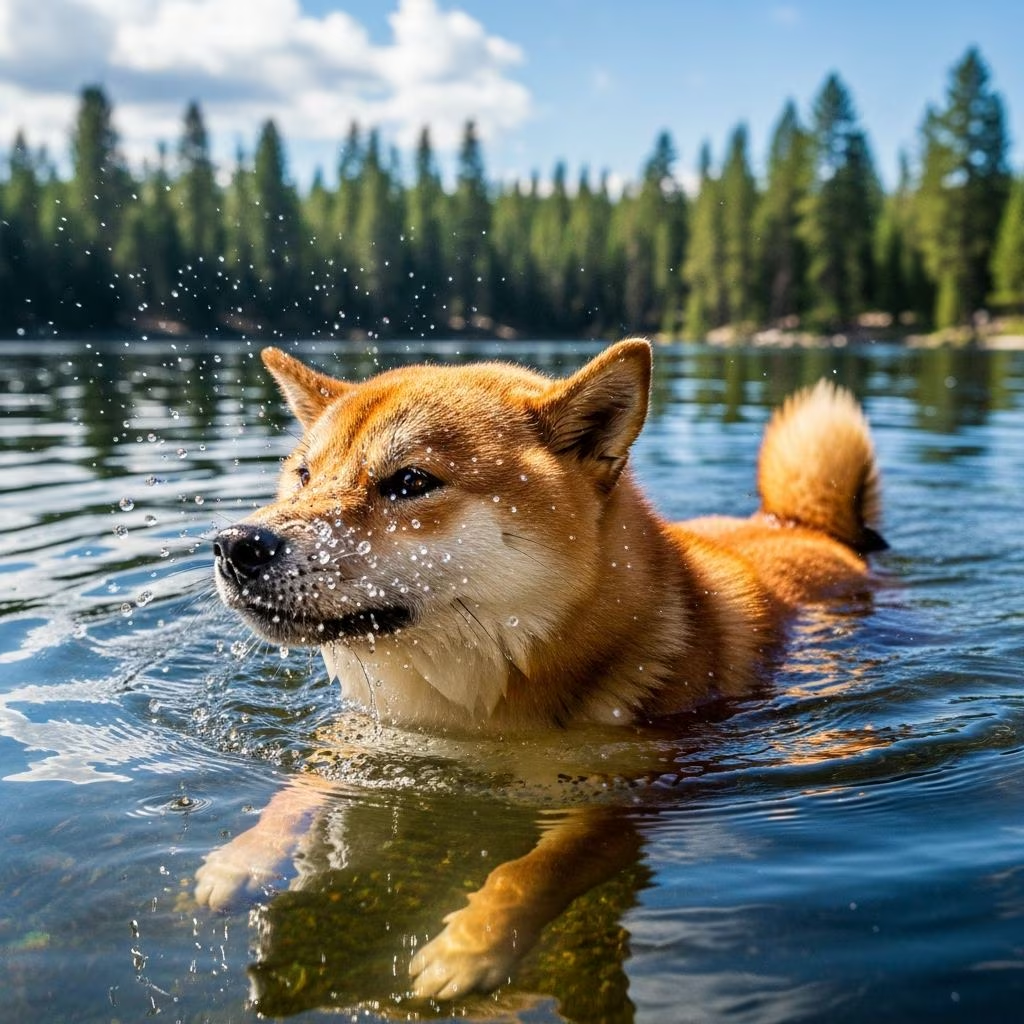
Shiba Inus possess a balanced physique with lengthy snouts that supports effective swimming when they overcome their initial reluctance toward water. Their inherent aversion stems from ancestral traits and a dense double coat designed for repelling moisture rather than embracing it.
The Natural Disposition of Shiba Inus Toward Water
These compact Japanese breeds evolved in mountainous terrains, prioritizing agility on land over aquatic pursuits. Unlike water retrievers such as Labrador Retrievers, Shiba Inus often display hesitation around pools, lakes, or oceans. This stems from a primitive instinct preserved through selective breeding for hunting in forested areas, where dry coats prevented chilling after exertion.
Individual temperaments vary widely; some Shibas splash playfully after gradual exposure, while others steadfastly avoid immersion. Factors like coat texture influence this—fluffier varieties absorb more water, amplifying discomfort, whereas sleeker coats shed it efficiently. Observing your dog’s body language, such as tail tucking or ear pinning, reveals their comfort level early on.
Physical Attributes Enabling Shiba Inu Swimming
Shiba Inus feature sturdy frames, powerful legs, and streamlined heads ideal for paddling. Their long muzzles prevent water inhalation common in brachycephalic breeds like Bulldogs. When motivated, they execute a doggy paddle with endurance, leveraging strong hindquarters for propulsion.
However, their thick undercoat, while insulating, becomes heavy when saturated, potentially tiring inexperienced swimmers. This underscores the need for life jackets during initial sessions to build confidence without fatigue.
Health Advantages of Aquatic Exercise for Shiba Inus
Swimming ranks as a superior, joint-friendly workout for this breed prone to hip dysplasia and arthritis in later years. Buoyancy alleviates gravitational stress, enabling full-range limb extension without pavement impact.
- Cardiovascular Boost: Paddling elevates heart rate, enhancing lung capacity and circulation for vibrant coat health.
- Muscle Toning: Water resistance engages core and limbs comprehensively, fostering strength sans strain.
- Weight Control: High-calorie burn aids in obesity prevention, critical for sedentary seniors.
- Mental Relief: Novelty combats boredom, releasing endorphins for calmer home behavior.
- Rehabilitation Tool: Warm hydrotherapy accelerates recovery from injuries, soothing inflamed tissues.
For aging Shibas, clinics increasingly prescribe pool sessions to preserve mobility, mirroring human physical therapy protocols.
Step-by-Step Guide to Water Introduction
Patience defines successful acclimation; forcing participation breeds lifelong phobia. Commence during puppyhood for optimal results, though adults respond to positive reinforcement.
- Shallow Start: Use kiddie pools or calm streams with gradual slopes. Lure with floating toys or treats sans submersion.
- Gear Up: Equip a canine life vest fitted snugly, allowing paws to touch bottom initially for security.
- Positive Association: Pair entry with praise and rewards. Accompany with water-enthusiastic canine companions for peer modeling.
- Progress Gradually: Advance to deeper waters only post-comfort in shallows. Sessions cap at 10-15 minutes to avert exhaustion.
- Post-Swim Care: Rinse thoroughly to eliminate chlorine or salts, dry ears meticulously to thwart infections.
| Week | Activity | Goal |
|---|---|---|
| 1-2 | Paw dipping in kiddie pool | Familiarity without fear |
| 3-4 | Vest-assisted wading | Buoyancy trust |
| 5-6 | Short paddles with support | Basic stroke mastery |
| 7+ | Free swimming in safe areas | Independent enjoyment |
Critical Safety Protocols for Water Outings
Vigilance prevents tragedies; even proficient swimmers falter in currents or panic. Never leave Shibas unattended near open water, installing pool fences if applicable.
- Monitor for fatigue signs like labored breathing or listlessness.
- Steer clear of blue-green algae blooms, toxic to canines.
- Avoid scalding concrete or overheated sands burning paws.
- Supply constant fresh hydration to counter saltwater thirst.
- Chlorinated pools demand post-swim baths to avert skin irritation.
Life preservers prove indispensable on boats or unfamiliar waters, featuring grab handles for rescues.
Recognizing and Mitigating Water-Related Health Risks
Ear canals trap moisture, fostering bacterial growth; V-shaped Shiba ears exacerbate this despite upright posture. Dry interiors post-dip using cotton balls soaked in vet-approved solutions.
Overexertion risks hypothermia in cooler climates due to wet fur evaporation. Limit exposures accordingly, prioritizing shaded, moderate-temperature venues. Joint benefits notwithstanding, consult veterinarians for pups under 16 weeks or those with cardiac issues.
Comparing Shiba Inus to Other Breeds in Water
| Breed | Water Affinity | Body Suitability | Training Ease |
|---|---|---|---|
| Shiba Inu | Low-Moderate | High (balanced) | Moderate (stubborn) |
| Labrador | High | High | Easy |
| Pug | Low | Low (short snout) | Difficult |
| Portuguese Water Dog | Very High | Very High | Easy |
Shibas outperform short-nosed counterparts but trail natural water dogs in enthusiasm.
Seasonal and Environmental Considerations
Summer beckons aquatic fun, yet heatstroke lurks; schedule dawn or dusk dips. Winter swimming confines to indoor heated facilities for therapeutic ends. Rural lakes demand algae checks, urban pools require chemical balancing verification.
FAQs
Can all Shiba Inus learn to swim?
Most can with patient training, though some retain strong aversions. Respect individual limits.
Is swimming safe for senior Shiba Inus?
Yes, under supervision; it excels for arthritis relief via low-impact motion.
What if my Shiba Inu hates water?
Don’t force it—opt for land exercises. Coerced exposure worsens fears.
How often should Shiba Inus swim?
2-3 times weekly for 15-20 minutes suits fitness goals without overuse.
Do I need a dog life jacket for Shibas?
Essential for novices and boating; it builds confidence and ensures safety.
Integrating water play enriches Shiba bonds, provided owners prioritize acclimation and oversight. This activity not only fortifies physiques but also deepens companionship through shared adventures.
References
- Do Shiba Inus Like To Swim? – My First Shiba Inu — My First Shiba. Accessed 2026. https://myfirstshiba.com/shiba-inu-swimming/
- Introducing Your Shiba Inu to Swimming: Safety Tips and Tricks! — Shiba Inu USA (YouTube). 2024-01-01. https://www.youtube.com/watch?v=bO1AuTHJGYg
- Do Shiba Inus Like Water? Facts & Safety Tips — Hepper. 2025-06-15. https://articles.hepper.com/do-shiba-inus-like-water/
- Can Dogs Swim in Chlorine Pools? — American Kennel Club. 2025-03-20. https://www.akc.org/expert-advice/health/can-dogs-swim-in-chlorine-pools/
- Boat Safety for Dogs — Animal Wellness Magazine. 2024-11-10. https://animalwellnessmagazine.com/boat-safety-for-dogs/
- Understanding and Caring for Your Shiba Inu: A Comprehensive Guide — CodaPet. 2025-08-05. https://www.codapet.com/senior-pet-care/understanding-and-caring-for-your-shiba-inu-a-comprehensive-guide



