

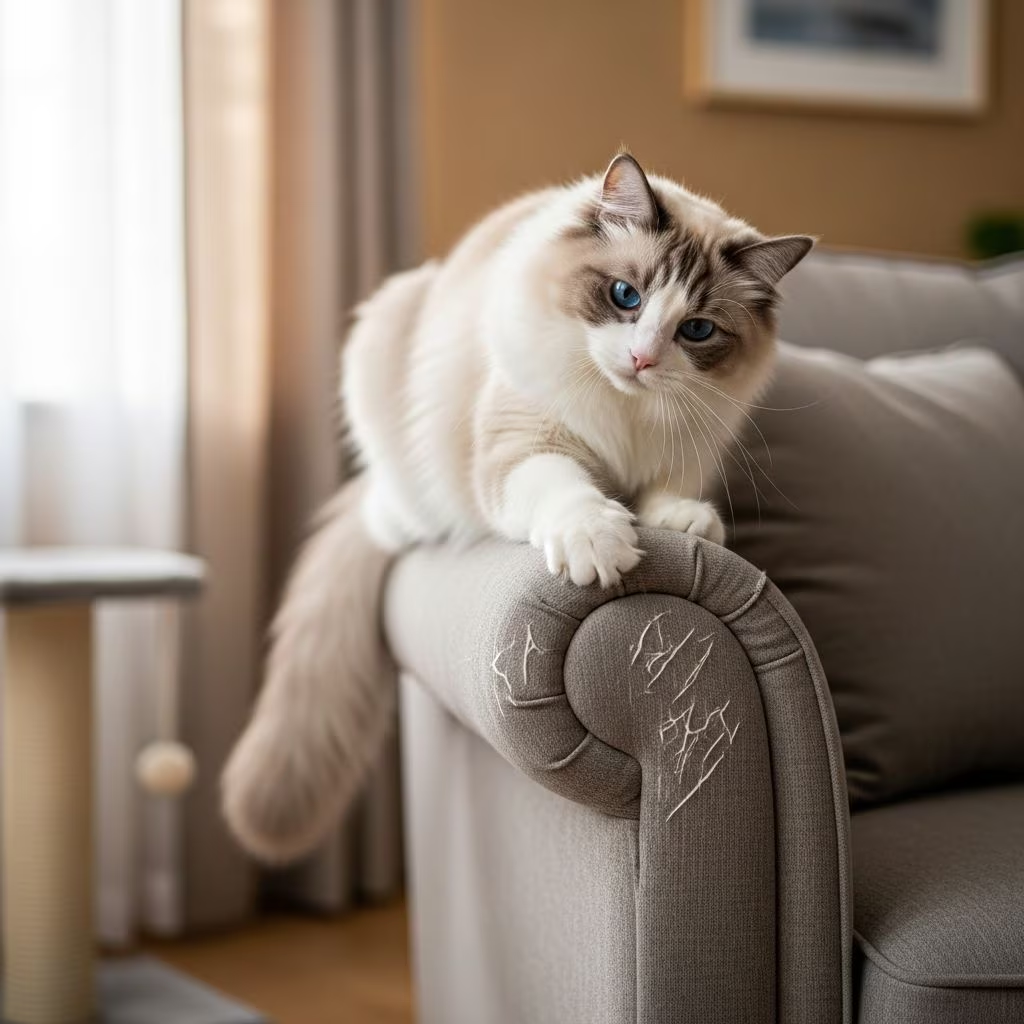
Ragdoll cats, renowned for their docile and affectionate nature, can still engage in furniture scratching due to innate feline instincts. This behavior serves essential purposes like territory marking, claw conditioning, and stretching, but it can be managed effectively with the right strategies.
While Ragdolls are often described as gentle and less destructive compared to more energetic breeds, individual personality, environment, and unmet needs influence scratching tendencies. Understanding the root causes allows cat owners to provide appropriate outlets, preventing damage to sofas, chairs, and tables.
Why Does My Ragdoll Scratch Furniture?
Scratching is not a sign of malice or poor training in Ragdoll cats; it’s a hardwired behavior observed across all felines. Cats use their claws to deposit scent from glands in their paws, shed old claw sheaths, sharpen nails, and stretch their muscles after rest. Ragdolls, despite their relaxed demeanor, exhibit this urge, especially when excited, anxious, bored, or lacking suitable alternatives.
Common triggers for Ragdolls targeting furniture include:
- Inadequate scratching options: If no sturdy post is available or it wobbles, cats default to stable furniture like couches.
- Boredom and understimulation: Ragdolls thrive on interaction; insufficient play leads to destructive outlets.
- Stress or environmental changes: New routines, moves, or household shifts prompt territorial marking via scratching.
- Post-waking routine: Cats often scratch upon rising to stretch and mark.
- Health or discomfort: Sudden increases may signal pain, allergies, or parasites; consult a vet if accompanied by other symptoms.
Ragdolls’ large size amplifies damage potential, as their powerful paws can quickly shred upholstery. Early intervention based on these causes preserves harmony in multi-pet or family homes.
How to Stop a Ragdoll From Scratching Furniture
Stopping furniture scratching in Ragdolls requires positive reinforcement, environmental adjustments, and consistency rather than punishment, which heightens stress and worsens behavior. Implement these vet-recommended steps systematically.
1. Provide Solid Scratching Posts
Invest in tall, stable scratching posts or multi-level cat trees suited to Ragdolls’ size (often 15-20 pounds). Opt for materials like sisal rope, cardboard, or rough carpet that mimic furniture textures without instability.
- Place multiple posts in high-traffic areas, near targeted furniture, beds, and windows.
- Include vertical (for stretching) and horizontal options to match preferences.
- Choose heavy bases to prevent tipping, enhancing appeal for playful Ragdolls.
Cat trees with platforms, condos, and hammocks double as enrichment hubs, satisfying climbing instincts alongside scratching needs.
2. Redirect the Scratching
When catching your Ragdoll mid-scratch, calmly redirect without scolding. Lure with treats or toys to the post, or gently carry them there, rewarding use with praise.
- Position posts directly in front of scratched spots temporarily to build association.
- Use interactive play sessions post-redirection to expend energy positively.
- Consistency trains Ragdolls that furniture is off-limits while posts are rewarding.
3. Keep the Claws Trimmed
Regular nail trims blunt claws, minimizing damage even if scratching occurs. Aim for every 2-4 weeks using cat-specific clippers with safety guards.
Steps for safe trimming:
- Acclimate with treats during handling sessions.
- Clip only translucent tips, avoiding the pink quick.
- Reward heavily; seek vet help if resistant.
This maintenance supports claw health and reduces furniture wear without hindering natural behavior.
4. Make the Scratching Post More Appealing
Enhance post attractiveness to outcompete furniture:
- Sprinkle catnip, silvervine, or toys on the surface.
- Place near sunny spots, sleeping areas, or play zones where Ragdolls congregate.
- Rub with worn socks to transfer familiar scent.
Positive reinforcement like clicker training or treats for post use solidifies habits.
5. Use Deterrents and Environmental Enrichment
Discourage furniture use with safe repellents while enriching the environment:
- Apply double-sided tape, foil, or citrus sprays on furniture—cats dislike sticky or pungent textures.
- Motion-activated air puffers or noise devices interrupt without harm.
- Boost stimulation via puzzle feeders, window perches, laser toys, and daily 15-20 minute play.
| Deterrent Type | Pros | Cons | Best For |
|---|---|---|---|
| Sticky Tape/Foil | Cheap, immediate | Visible, temporary | Couches, chairs |
| Scent Sprays (Citrus) | Non-toxic, pleasant for humans | Needs reapplication | Fabric surfaces |
| Motion Devices | Hands-free, effective long-term | Battery-dependent | High-traffic areas |
Address stress sources like litter box issues or diet changes promptly.
Frequently Asked Questions (FAQs)
Do all Ragdoll cats scratch furniture?
No, but most do occasionally due to instinct. Proper outlets minimize it; gentle Ragdolls respond well to training.
Why is my Ragdoll suddenly scratching more?
Sudden increases often stem from stress, boredom, health issues, or environmental shifts. Monitor and vet-check if persistent.
Are scratching posts enough to stop scratching?
They’re foundational but combine with redirection, trims, and enrichment for best results.
Is declawing Ragdolls recommended?
Never—it’s painful, causes lifelong issues like arthritis and litter avoidance. Ethical alternatives abound.
How do I choose the best scratching post for a Ragdoll?
Select sturdy, 3+ feet tall sisal or cardboard models; test stability and match size to their large frame.
Long-Term Management and Breed Insights
Ragdolls’ sociable nature makes them responsive to routine play and affection, reducing boredom-driven scratching. Kittens learn boundaries early, so multi-cat households benefit from introduced posts from day one. Track progress weekly, adjusting based on preferences—some favor vertical sisal, others horizontal cardboard.
Integrate pheromone diffusers (Feliway) for anxious Ragdolls, proven to calm without sedation. Annual vet visits ensure no medical contributors like hyperthyroidism exacerbate behaviors.
Success stories abound: owners report 90% reduction in furniture damage within weeks using combined methods. Patience yields a scratch-free home without compromising your Ragdoll’s well-being.
References
- Do Ragdoll Cats Tend to Scratch Up Furniture a Lot? — Dial A Vet. 2023-05-12. https://www.dialavet.com/vet-answers/ragdoll-cat-scratching-furniture-51285
- Do Ragdoll Cats Scratch Furniture? Vet-Verified Common Causes — Catster. 2024-08-15. https://www.catster.com/lifestyle/do-ragdoll-cats-scratch-furniture/
- Preventing Furniture Scratching: Effective Strategies for Cat Owners — The International Cat Association (TICA). 2023-11-20. https://tica.org/blogs/preventing-furniture-scratching-effective-strategies-for-cat-owners/
- How to Get Your Cat to Use a Scratching Post (And Stop Scratching) — Rags and Fluff. 2024-02-10. https://ragsandfluff.com/f/how-to-get-your-cat-to-use-a-scratching-post-and-stop-scratching



