

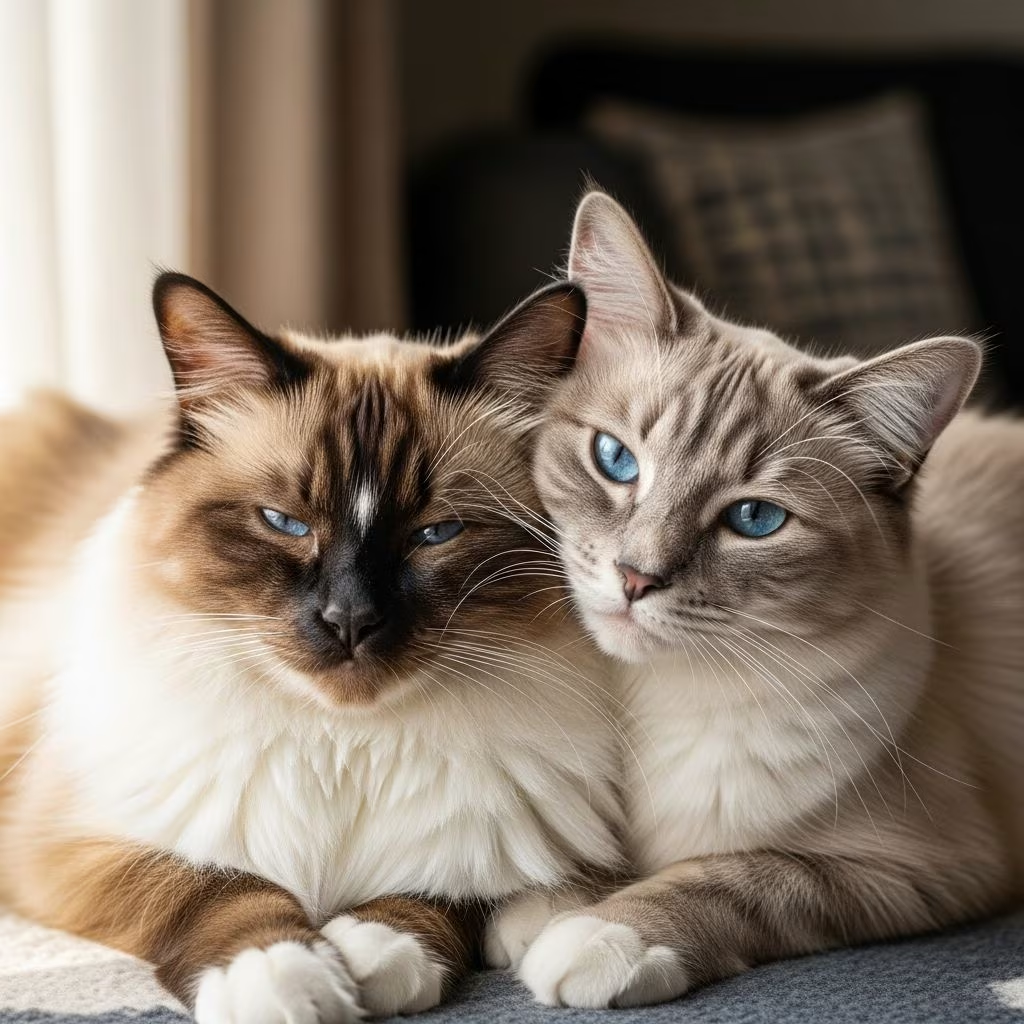
Do Ragdoll Cats Need a Companion?
Ragdoll cats are renowned for their affectionate and social nature, but the question of whether they need a companion is more nuanced than a simple yes or no. These gentle felines are inherently social creatures that thrive on interaction and companionship, though their needs can vary based on individual personality and living circumstances.
Understanding the Ragdoll Temperament
Ragdoll cats possess a unique combination of characteristics that make them naturally inclined toward companionship. Unlike some cat breeds that prefer solitude, Ragdolls are loving without being demanding, exhibiting a calm and sociable disposition that sets them apart. These cats are known for their devotion and loyalty, often following their owners from room to room and greeting them when they arrive home.
The breed’s gentle nature extends beyond their relationship with humans. Ragdolls are highly adaptable and possess the capability to understand and coexist with other pets easily. They do not typically engage in aggressive behavior with other animals and have a forgiving temperament that allows them to integrate successfully into multi-pet households.
Do Ragdolls Need a Companion?
While Ragdoll cats are social animals that generally benefit from companionship, they do not strictly require a companion in the traditional sense. However, their social and affectionate nature means they thrive best in environments where they receive regular interaction and stimulation. If their primary caregiver is away frequently, a feline or canine companion can significantly enhance their quality of life by providing companionship and reducing loneliness.
Ragdolls are indoor cats by nature, preferring the comfort of home due to their quiet and calm disposition. This indoor lifestyle makes them particularly well-suited to benefiting from the presence of other pets, as they spend most of their time at home and would appreciate the social interaction that another animal provides.
Benefits of Having a Companion for Your Ragdoll
When a Ragdoll has a suitable companion, numerous advantages emerge for both the cat and the household:
- Reduced Loneliness: A companion provides social interaction and emotional support, particularly when owners are away from home
- Mental Stimulation: Interaction with other pets encourages play and cognitive engagement, keeping your Ragdoll mentally active and enriched
- Confidence Building: Companions help build confidence in kittens or naturally shy Ragdolls, allowing them to develop social skills
- Behavioral Balance: Social interaction can help prevent destructive behaviors that sometimes result from boredom or isolation
- Emotional Support: Ragdolls are attuned to their people’s emotional needs and can benefit from the companionship of other gentle animals
- Family Dynamics: A companion creates a warm, family-like dynamic within the household, enriching the household environment
Introducing a New Ragdoll Kitten to Your Resident Cats
If you already have cats and are considering adding a Ragdoll kitten to your household, proper introduction is crucial for success. A slow and methodical approach ensures that all cats adjust comfortably and build positive relationships.
Step 1: Prepare a Safe Space for Your New Kitten
Before your new Ragdoll kitten meets your resident cat(s), create a dedicated “kitten room” in your home. This private space allows your kitten to acclimate to their new surroundings without feeling immediately threatened by existing cats.
Your kitten room should include:
- A litter box
- Food and water bowls
- A cozy bed
- Toys and scratching posts
- Hiding spots such as a cardboard box or small cat tent
Keep this area off-limits to your other cats and allow your new kitten to remain here for the first 3–7 days. This initial separation prevents stress and allows gradual adjustment.
Step 2: Scent Swapping
Cats rely heavily on scent to identify each other and determine whether someone is a friend or potential threat. Before any visual contact, facilitate scent swapping by exchanging bedding, towels, or small items between your kitten and resident cats. Place a blanket or bed your new kitten has used in your resident cat’s area, and vice versa. This process helps cats become familiar with each other in a low-stress manner.
Step 3: Visual Contact Through Barriers
Once the cats have become accustomed to each other’s scents, allow them to see each other through a barrier such as a baby gate or cracked door. This stage allows visual familiarity without direct interaction, reducing potential stress and allowing both cats to assess the situation safely.
Step 4: Supervised Face-to-Face Meetings
When your cats appear relaxed around each other visually, proceed to supervised meetings without physical barriers. During this stage:
- Conduct meetings in a neutral area, avoiding either cat’s favorite spots
- Have toys available to distract or diffuse tension
- Keep initial meetings short and positive
- Always supervise interactions; never leave them alone during this stage
- Expect some mild hissing or swatting as the cats establish boundaries
Step 5: Gradual Freedom and Full Integration
Once your cats can spend time together calmly under supervision, gradually allow more unsupervised interaction as trust develops. Signs of successful integration include eating near each other without stress, grooming or playing together, sleeping in the same room, and using litter boxes without territorial marking.
Remember that each cat is unique; some may fully adjust within days while others require several weeks.
Ragdolls and Canine Companionship
Beyond feline companionship, Ragdolls also make excellent companions for dogs. Their mild-tempered and forgiving nature makes them less likely to react aggressively to curious dogs. Ragdolls are social and people-oriented, enjoying companionship rather than solitude, and they adapt more easily to changes in routine or new animals compared to most cat breeds.
Best Dog Breeds for Ragdoll Cats
While every dog is unique, certain breeds are naturally better suited for living with Ragdoll cats. Ideal companions tend to be gentle, patient, and non-aggressive. Dog breeds that usually pair well with Ragdoll cats include:
- Golden Retrievers
- Labrador Retrievers
- Cavalier King Charles Spaniels
- Basset Hounds
- Poodles and Doodles
- Maltese
- Bernese Mountain Dogs
Even energetic breeds can coexist peacefully with Ragdolls if they are trained to be calm around cats and do not have a strong prey drive.
Steps for Introducing a Ragdoll to a Dog
Successful introduction of a Ragdoll to a dog requires patience and a systematic approach similar to multi-cat introductions:
- Start with scent swapping: Let your Ragdoll and dog smell each other’s bedding, blankets, or toys before meeting face-to-face
- Use a barrier: Allow them to see and smell one another through a baby gate or cracked door
- Keep early meetings brief: Reward calm behavior with treats and praise
- Supervise all interactions: Never leave them alone together until you’re confident they trust each other
- Allow your Ragdoll to approach on their own: Cats build confidence when they can control the pace of interaction
- Reward calm behavior: Offer praise or treats when your dog stays relaxed near the cat
- Create safe zones: Give your Ragdoll access to tall perches, shelves, or gated rooms where they can observe the dog from a distance
- Discourage chasing: Redirect your dog’s attention immediately if they fixate or lunge
- Teach key commands: “Leave it” and “Stay” are extremely helpful for managing interactions
Benefits of Canine Companionship for Ragdolls
Once introductions are successful, many Ragdolls form incredibly close bonds with their canine friends, often playing together, grooming one another, or curling up for naps. The benefits of having a dog companion for your Ragdoll include:
- Provides companionship and reduces loneliness when you’re away
- Encourages gentle play and social stimulation
- Helps build confidence in kittens or shy Ragdolls
- Creates a warm, family-like dynamic within your household
Tips for Success When Introducing Companions
Whether introducing a new cat or dog to your Ragdoll, several key principles ensure success:
- Don’t rush: A slow introduction leads to better long-term harmony
- Use calming aids: Products like Feliway diffusers can ease tension during introductions
- Stick to routines: Cats love consistency; keep feeding and play schedules steady
- Provide enough resources: Ensure multiple litter boxes, feeding areas, and vertical spaces like cat trees so both animals feel comfortable
- Patience and consistency: With time, your pets will begin to view one another as family
Ragdolls as Multi-Pet Companions
Ragdolls are uniquely positioned to thrive in multi-pet households. Their calm, affectionate nature and gentle disposition make them more accepting of new feline or canine friends—especially when introductions are conducted slowly and with care. These cats are highly friendly with everyone, whether the companion is a child, another cat, or a dog.
The intelligence and adaptability of Ragdoll cats further enhance their ability to coexist peacefully with other animals. They lack the aggressive tendencies common in some breeds and maintain a forgiving attitude toward their companions, making them ideal family pets for households with multiple animals.
Frequently Asked Questions
Q: Do Ragdoll cats get lonely without a companion?
A: Ragdolls are highly social cats that benefit from companionship, but whether they get lonely depends on individual personality and how much interaction they receive from their owners. Cats whose owners are away frequently will particularly benefit from a feline or canine companion.
Q: Can a Ragdoll kitten be introduced to an adult cat?
A: Yes, Ragdoll kittens can be successfully introduced to adult cats. The key is following a gradual introduction process that includes separate spaces, scent swapping, visual contact through barriers, and supervised meetings over 3–7 days or longer.
Q: Are Ragdolls good with other animals?
A: Yes, Ragdolls are naturally good with other animals due to their gentle, calm, and sociable nature. They are highly adaptable and typically get along well with both cats and dogs.
Q: How long does it take for Ragdolls to accept a new companion?
A: Each cat is unique. Some may fully adjust within days, while others may need several weeks. The introduction process itself typically spans 3–7 days before full integration occurs.
Q: What should I do if my Ragdoll seems stressed during introductions?
A: Slow down the introduction process, go back a step if necessary, and use calming aids like Feliway diffusers. Ensure your Ragdoll has safe spaces to retreat and never force interactions. Patience is essential.
Q: Can a single Ragdoll be happy without a companion?
A: Yes, a single Ragdoll can be happy if their owner provides adequate interaction, playtime, and attention. However, if you work long hours, a companion may enhance their overall quality of life.
Conclusion
Ragdoll cats do not strictly require a companion, but their inherently social and affectionate nature means they often thrive in the presence of other pets. Whether you choose to introduce a feline or canine companion depends on your household situation, your Ragdoll’s individual personality, and your ability to manage multiple animals. If you decide to add a companion, the introduction process is critical—patience, proper preparation, and adherence to gradual steps ensure the best outcome for all involved. With care and consistency, Ragdolls can develop wonderfully close bonds with their companions, creating a harmonious and enriched household environment.
References
- How to Introduce a New Ragdoll Kitten to Your Resident Cats: A Step-by-Step Guide — Bayou Ragdolls. https://www.bayouragdolls.com/post/how-to-introduce-a-new-ragdoll-kitten-to-your-resident-cats-a-step-by-step-guide
- Looking for a Loyal Companion? Meet the Loving Ragdoll Cat — Petsworld. https://petsworld.in/blogs/news/if-feeling-alone-and-looking-for-a-companion-then-go-for-the-ragdoll-cat
- Are Ragdoll Cats Good with Dogs? — Pastel Ragdolls. https://www.pastelragdolls.com/blog/are-ragdoll-cats-good-with-dogs
- Ragdoll Breed Information — The Cat Fanciers’ Association. https://cfa.org/breed/ragdoll/



