Do Rabbits Have Nine Lives? Understanding Rabbit Lifespan
Discover the truth about rabbit lifespans and how to help your bunny live longer.
Do Rabbits Have Nine Lives? Understanding Rabbit Lifespan and Longevity
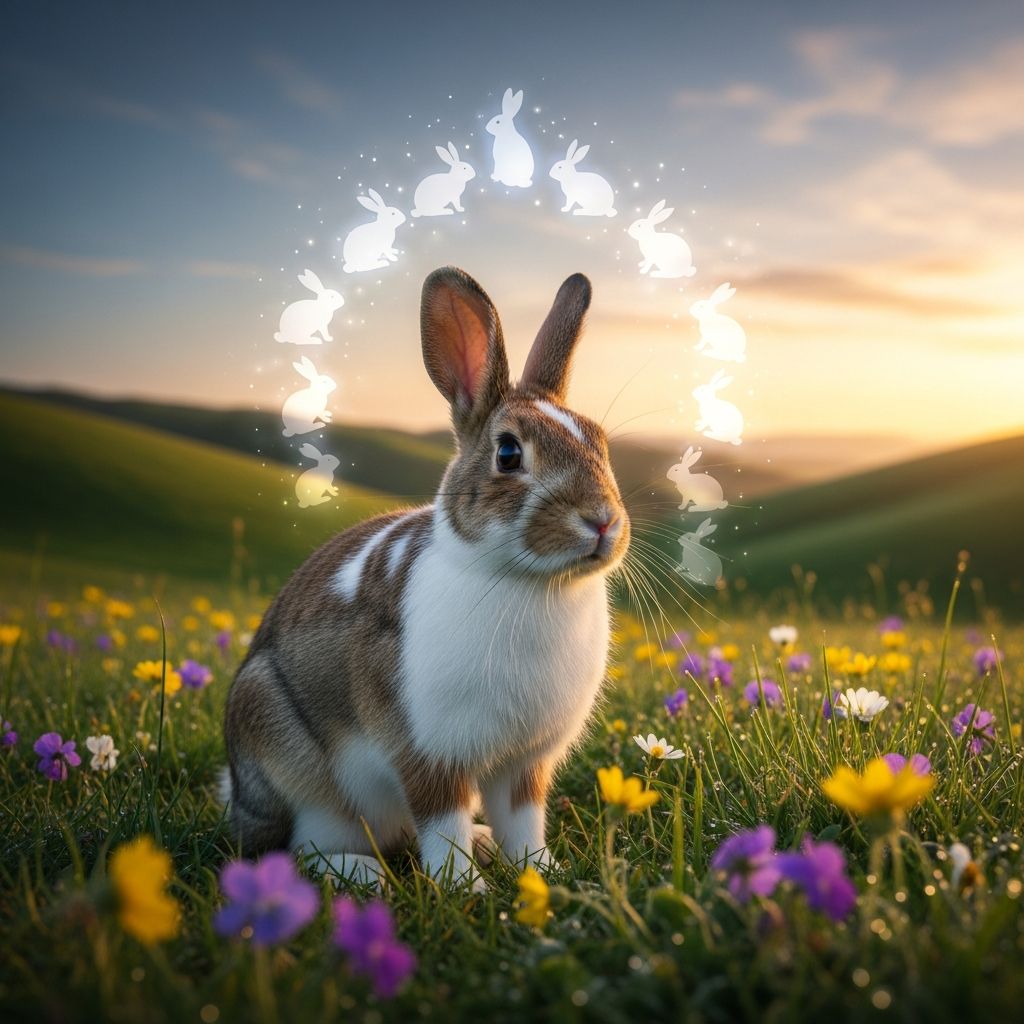
The saying “cats have nine lives” is well-known in popular culture, but what about rabbits? Do rabbits have nine lives? The simple answer is no—this is a myth that applies only to cats in folklore. Rabbits, like all animals, have just one life to live. However, the lifespan of a rabbit is far more complex and fascinating than a simple number. Understanding how long rabbits actually live, what factors influence their longevity, and how to provide proper care can help rabbit owners ensure their pets enjoy long, healthy, and happy lives.
The Reality of Rabbit Lifespans: Debunking the Myth
Unlike the mythical notion of nine lives, rabbits have a single, precious lifespan that varies considerably depending on whether they live in the wild or in a domestic setting. Domesticated rabbits can live between 8 to 12 years, with some individuals reaching 15 years or more under optimal conditions. This is significantly longer than their wild counterparts, whose lifespans are dramatically shorter due to environmental pressures and survival challenges.
Research has provided concrete evidence about rabbit longevity in domestic settings. A comprehensive study of 6,349 rabbits attending 107 UK veterinary clinics revealed that the average lifespan of pet rabbits is 4.3 years, with survival up to 14.4 years recorded. While this median age at death appears lower than commonly cited lifespans, it reflects data from rabbits under veterinary care and may not represent the entire pet rabbit population, as approximately 34 percent of rabbits are not registered with veterinary practices.
The longest-lived rabbit on record was a domesticated European rabbit living in Tasmania that reached the impressive age of 18 years, demonstrating that with excellent care and favorable genetics, rabbits can live substantially longer than average.
Domestic Rabbits vs. Wild Rabbits: A Stark Contrast
One of the most significant factors affecting rabbit lifespan is their environment. The difference between domestic and wild rabbit lifespans is dramatic and reveals much about the challenges wild animals face daily.
Domestic Rabbit Lifespan
Domesticated rabbits benefit from numerous advantages that extend their lifespans considerably. Pet rabbits typically live between 8 to 12 years, with proper nutrition, quality wellness care, and veterinary attention allowing many to reach 11, 12, or even older ages. These animals live in controlled environments with:
– Consistent, nutritionally balanced diets- Safe housing protected from predators- Regular veterinary care and disease prevention- Companionship and mental stimulation- Protection from harsh weather conditions
Wild Rabbit Lifespan
In stark contrast, wild rabbits typically live between 1 to 3 years. For example, the average longevity of an eastern cottontail is about one to five years, and for cottontail rabbits that survive to leave the nest, the average life expectancy is only about 11 months. This dramatic difference in lifespan between domestic and wild settings underscores the profound impact that environment and care have on longevity.
Wild rabbits face numerous threats that domestic rabbits never encounter, including:
– Predation: Foxes, hawks, snakes, coyotes, and other predators pose constant threats- Disease and parasites: Wild rabbits are susceptible to diseases like myxomatosis and other illnesses without access to preventive care- Food scarcity: Inconsistent access to adequate nutrition affects growth and survival- Harsh weather: Extreme temperatures and severe weather conditions reduce survival rates- Environmental hazards: Injuries from accidents, territorial conflicts, and lack of shelter contribute to higher mortality
Factors That Influence Rabbit Lifespan
Several key factors determine how long an individual rabbit will live. Understanding these variables allows rabbit owners to optimize conditions for maximum longevity.
Breed and Genetics
Breed plays a significant role in rabbit lifespan, similar to the pattern observed in dogs and other domestic animals. Smaller rabbit breeds, such as the Mini Rex and Netherland Dwarf, are known for their longevity, often living 10 to 12 years or more. These diminutive breeds tend to have longer lifespans than their larger counterparts.
Conversely, larger breeds like the Flemish Giant tend to have shorter lifespans, generally around 5 to 7 years. This inverse relationship between size and lifespan is consistent with biological patterns observed across many animal species, where larger animals have relatively shorter lifespans due to faster metabolic rates and increased physiological stress.
Gender Differences
Research has identified notable gender differences in rabbit longevity. Male rabbits tend to live longer than females, with males averaging 5.2 years compared to 3.7 years for females. This 1.5-year difference is statistically significant, though the causes of this disparity require further investigation. Some researchers suggest that reproductive demands on female rabbits may contribute to shorter lifespans, but more research is needed to confirm this hypothesis.
Diet and Nutrition
Proper nutrition is fundamental to rabbit longevity. A balanced diet consisting of:
– High-quality hay (the foundation of a rabbit diet)- Fresh vegetables and leafy greens- Measured portions of commercial pellets- Limited treats and fruits- Constant access to fresh, clean water
Through good nutrition and quality wellness care, many rabbits are living to see 11, 12, or even older ages. Poor diet, including excessive treats, inadequate fiber, or imbalanced nutrition, can lead to gastrointestinal issues, obesity, and other health problems that reduce lifespan.
Healthcare and Preventive Care
Regular veterinary check-ups and preventive care are essential for maximizing rabbit lifespan. Keeping vaccinations up to date helps prevent serious illnesses and diseases. Early detection of health problems through routine veterinary visits allows for prompt treatment before conditions become severe.
Living Conditions and Housing
The quality of housing and living environment significantly impacts rabbit health and longevity. Rabbits require:
– Adequate space for movement and exercise- Proper temperature control (rabbits are sensitive to heat)- Protection from drafts and humidity- Safe, predator-proof housing- Mental stimulation and environmental enrichment- Companionship (rabbits are social animals)
Exercise and Mental Stimulation
Active rabbits tend to be healthier rabbits. Regular exercise, playtime, and mental enrichment through toys, tunnels, and safe exploration opportunities support cardiovascular health and psychological well-being, both of which contribute to longevity.
Rabbit Life Stages and Age-Related Considerations
Understanding rabbit development helps owners provide appropriate care at each life stage and recognize when special attention is needed.
Young Rabbits (0-1 Year)
Young rabbits are energetic, curious, and require proper socialization. This stage is critical for establishing healthy habits and bonding with owners.
Prime Adult Years (1-5 Years)
Most rabbits are in their healthiest, most active phase during these years. Regular exercise, quality diet, and preventive care are important.
Late Middle Age (5-7 Years)
It becomes increasingly common to notice rabbits having difficulty keeping themselves clean. Regular veterinary visits become even more important to ensure continued health and well-being.
Senior Years (7+ Years)
Rabbits often calm down significantly in their senior years, becoming more trusting and spending more time with their owners. Quality care and attention are crucial to keep them happy and healthy during these years.
Common Health Issues Affecting Rabbit Longevity
Understanding the most common health problems helps owners recognize symptoms early and seek appropriate treatment. Research on rabbit mortality has identified several prevalent causes of death:
Most Common Causes of Death in Domestic Rabbits:
– Flystrike (10.9% of deaths)- Anorexia (4.9% of deaths)- Collapse or recumbency (4.9% of deaths)- Gut stasis or ileus (4.3% of deaths)
The median age at death varies significantly by cause, ranging from 1.7 years for myxomatosis to 6.4 years for anorexia. Other prevalent disorder groups reported include dermatological, oral, gastrointestinal/abdominal, ocular, and parasitic disorders.
Maximizing Your Rabbit’s Lifespan: Practical Tips
Rabbit owners can take concrete steps to help their pets live longer, healthier lives:
Provide Optimal Nutrition
Feed high-quality hay, fresh vegetables, appropriate pellets, and limited treats. Avoid foods toxic to rabbits and maintain proper portion sizes to prevent obesity.
Schedule Regular Veterinary Care
Establish relationships with rabbit-experienced veterinarians and schedule check-ups at least annually, more frequently as rabbits age.
Ensure Adequate Exercise
Provide safe spaces for rabbits to run, jump, and play daily. Exercise is critical for cardiovascular health and mental well-being.
Maintain Proper Housing
Rabbits require the right diet, suitable housing, and companionship to keep them happy throughout their lives. Ensure housing is spacious, safe, and climate-controlled.
Provide Mental Enrichment
Rabbits are intelligent animals requiring toys, tunnels, digging boxes, and interactive play to maintain mental health.
Monitor for Health Changes
Watch for signs of illness, behavioral changes, or physical symptoms and seek veterinary care promptly.
Frequently Asked Questions About Rabbit Lifespan
Q: Do rabbits really have nine lives?
A: No, this is a myth. Rabbits have one life, just like all animals. The “nine lives” concept is folklore associated with cats, not rabbits.
Q: How long do most pet rabbits live?
A: Most pet rabbits live between 8 to 12 years, though the median age at death in recent studies was found to be 4.3 years, with some rabbits reaching 14-18 years with excellent care.
Q: Do male or female rabbits live longer?
A: Male rabbits tend to live longer on average. Males live approximately 5.2 years compared to 3.7 years for females.
Q: Which rabbit breeds live the longest?
A: Smaller breeds such as the Mini Rex and Netherland Dwarf typically live 10 to 12 years or more, while larger breeds like the Flemish Giant usually live 5 to 7 years.
Q: How long do wild rabbits live?
A: Wild rabbits typically live between 1 to 3 years, with the average life expectancy for those that survive to leave the nest being only about 11 months.
Q: What is the oldest rabbit on record?
A: The longest-lived rabbit on record was a domesticated European rabbit living in Tasmania that died at age 18.
Q: How can I help my rabbit live longer?
A: Provide proper nutrition, regular veterinary care, adequate exercise, suitable housing, and companionship. Through good nutrition and quality wellness care, many rabbits live to see 11, 12, or even older ages.
Conclusion: Long Live the Rabbit
While rabbits do not have nine lives, they can live long, fulfilling lives with proper care and attention. The lifespan of rabbits varies significantly between domestic and wild settings—domestic rabbits typically enjoy 8 to 12 years or more, while wild rabbits face survival challenges that limit their lifespan to just a few years. By understanding the factors that influence rabbit longevity, recognizing life stage-specific needs, and providing optimal care including proper nutrition, veterinary attention, exercise, and environmental enrichment, rabbit owners can help ensure their fuzzy companions enjoy long, healthy, and happy lives.
References
- Morbidity and mortality of domestic rabbits (Oryctolagus cuniculus) — National Center for Biotechnology Information (NCBI). 2020-04-15. https://pmc.ncbi.nlm.nih.gov/articles/PMC7279133/
- RVC study helps to fill the evidence gap on UK pet rabbit health — Royal Veterinary College. 2020. https://www.rvc.ac.uk/vetcompass/news/rvc-study-helps-to-fill-the-evidence-gap-on-uk-pet-rabbit-health
- Rabbit Lifespan and Life Stages — Oxbow Animal Health. https://oxbowanimalhealth.com/blog/rabbit-life-stages/
- How Long Do Rabbits Live? Understanding the Lifespan of Our Furry Friends — Rabbit Hole Hay. https://www.rabbitholehay.com/blogs/rabbit-hole-hay-blog/how-long-do-rabbits-live-understanding-the-lifespan-of-our-furry-friends
- How long do rabbits live? Rabbit life span — Blue Cross UK. https://www.bluecross.org.uk/advice/rabbit/wellbeing-and-care/how-long-do-rabbits-live
- Rabbit — Wikipedia. https://en.wikipedia.org/wiki/Rabbit
- DNR: Fish & Wildlife: Cottontail Rabbit — Indiana Department of Natural Resources. https://www.in.gov/dnr/fish-and-wildlife/wildlife-resources/animals/cottontail-rabbit/
Similar Articles







Read full bio of Sneha Tete