

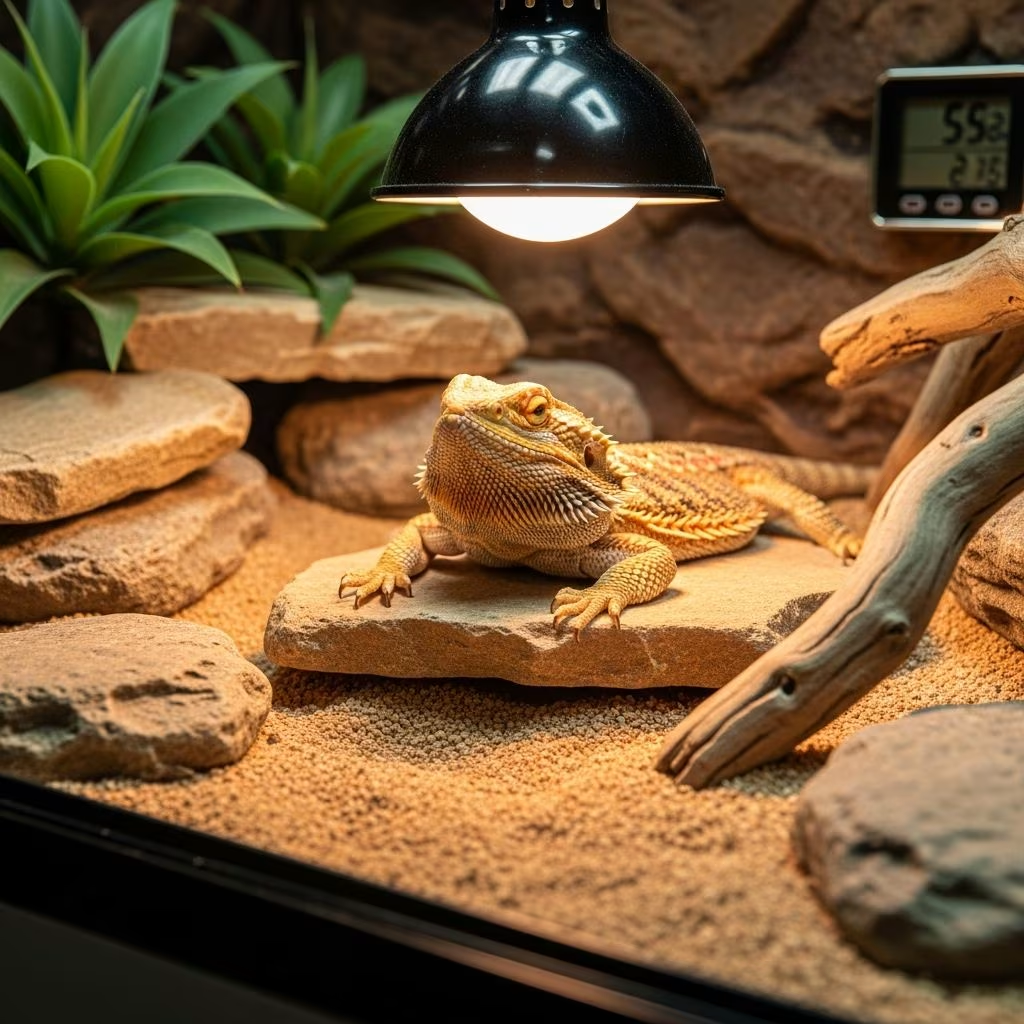
Do Pet Reptiles Need UVB Lighting?
One of the most critical aspects of reptile care is understanding their lighting requirements. Many pet owners wonder whether UVB lighting is truly necessary for their reptiles and amphibians. The answer is unequivocal: most pet reptiles require UVB (ultraviolet-B) lighting to thrive. UVB radiation is not simply a luxury for reptile owners seeking to create an aesthetically pleasing enclosure—it is a fundamental biological necessity that directly impacts the health, behavior, and longevity of captive reptiles.
UVB light plays several critical roles in reptile physiology and behavior. Without adequate UVB exposure, reptiles cannot synthesize vitamin D3 through their skin, which leads to calcium metabolism disorders, weakened bones, and potentially fatal health complications. Understanding why UVB lighting matters and how to provide it correctly is essential for anyone keeping reptiles as pets.
What Is UVB Light and Why Do Reptiles Need It?
Ultraviolet-B (UVB) radiation is part of the natural light spectrum that reaches Earth from the sun. UVB falls within the 290 to 320 nanometer wavelength range and is invisible to the human eye. However, many reptiles and amphibians have evolved to depend on UVB exposure as part of their normal biological processes.
The primary reason reptiles need UVB lighting relates to vitamin D3 synthesis. When UVB rays strike a reptile’s skin, they trigger the production of vitamin D3, a crucial hormone that regulates calcium absorption in the digestive system. Calcium is essential for building and maintaining strong bones, supporting muscle function, and enabling proper nerve transmission. Without sufficient vitamin D3 production from UVB exposure, reptiles cannot efficiently absorb dietary calcium, even if their diet contains adequate amounts of this mineral.
Beyond vitamin D3 production, UVB lighting provides additional health benefits for captive reptiles. UVB exposure stimulates the production of endorphins, which promote overall psychological well-being and natural behavior patterns. UVB light also supports immune system function and plays a role in regulating circadian rhythms. Additionally, UVB radiation influences skin pigmentation and pattern development, helping reptiles maintain their vibrant coloration.
It is critical for reptile owners to learn about their reptile’s species-specific UV needs and set up their pet’s enclosure accordingly. Different reptile species have evolved under different light conditions, and their UVB requirements reflect their natural habitats.
Understanding UVA and UVB: Key Differences
While UVB is essential for vitamin D3 synthesis, UVA (ultraviolet-A) light, which falls within the 320 to 400 nanometer range, serves different purposes. UVA light does not directly contribute to vitamin D3 production, but it is important for regulating reptile behavior, promoting natural color vision, and supporting circadian rhythm regulation. Most commercial reptile lighting products provide both UVA and UVB radiation, creating a more complete light spectrum that mimics natural sunlight.
UVC (ultraviolet-C) radiation is dangerous to reptiles and can cause serious skin damage and increase the risk of cancer. Fortunately, standard reptile lighting products do not emit UVC, so this is not a concern for properly equipped enclosures.
Types of UVB Bulbs: Choosing the Right One for Your Reptile
The reptile lighting market offers several types of UVB bulbs, each suited to different reptile species and enclosure sizes. Understanding the differences between these options is crucial for providing appropriate lighting.
Tropical UVB Bulbs (5.0)
Tropical UVB bulbs, often referred to as 5.0 UVB, emit lower levels of ultraviolet-B radiation and mimic filtered sunlight found in tropical forest environments. These bulbs are appropriate for reptiles whose wild counterparts spend time on the forest floor or in shaded areas where sunlight is diffused through dense vegetation. Species that benefit from tropical UVB bulbs include rainforest-dwelling reptiles, nocturnal species, and reptiles that naturally avoid intense direct sunlight. Examples of reptiles that typically require 5.0 UVB bulbs include some species of tree boas, certain frogs, and nocturnal lizards.
Desert UVB Bulbs (10.0)
Desert UVB bulbs, referred to as 10.0 UVB, emit higher levels of ultraviolet-B radiation that more closely replicate the intense sunlight found in arid desert environments. These bulbs are designed for reptiles whose natural habitats receive direct, unfiltered sunlight for extended periods. Species requiring 10.0 UVB bulbs include bearded dragons, iguanas, tortoises, chameleons, and other diurnal reptiles that spend significant time basking in the sun. These animals have evolved under high UV index conditions and require correspondingly strong UVB lighting in captivity.
Linear Fluorescent UVB Bulbs
Linear fluorescent UVB bulbs are the most commonly used reptile lighting option. These T5 or T8 bulbs provide consistent UVB output across their length and are suitable for most enclosure sizes. Linear fluorescent bulbs require a ballast fixture to operate and are generally affordable and readily available. The recommended brands by professionals include Sun Glow (by Fluker Farms), Reptisun, Iguana Light, Power Sun (by Zoo Med), and Repti Glo (by Exo Terra). These bulbs typically require replacement every 9 to 12 months, as their UV output decreases significantly with age.
Mercury Vapor Bulbs
Mercury vapor bulbs are specialty lighting products that emit both UVB and heat, making them useful for larger enclosures where additional heating is beneficial. The Zoo Med Powersun UVB bulb is a popular mercury vapor option. These bulbs produce substantial heat output and should be positioned at least 12 inches away from the reptile’s basking spot to prevent burns or overexposure to UV radiation. Mercury vapor bulbs are more expensive than fluorescent options and consume more electricity, but they can be valuable for specific applications.
Proper UVB Lighting Setup and Distance
Simply installing a UVB bulb is not sufficient—proper placement and positioning are critical for providing effective UVB exposure while avoiding potential harm.
Optimal Distance and Basking Zones
For fluorescent UVB bulbs, reptiles need to be positioned within 9 to 15 inches (approximately 23 to 38 centimeters) of the light source to receive adequate UVB radiation. Many reptile owners provide branches, logs, or platforms that allow their reptiles to position themselves at the appropriate distance from the bulb. When using fluorescent UVB lighting, aim to keep your reptile within 12 to 18 inches of the bulb. The UVB rays are strongest directly beneath the middle of a linear tube, so positioning the basking area under the bulb’s center ensures maximum UVB delivery.
Avoiding Barriers Between Reptile and Light
UVB radiation cannot penetrate standard glass or plastic materials. This means that placing a UVB bulb above glass or plastic barriers will render it ineffective. Reptiles must have unfiltered access to the UVB light source. Transparent plastic front covers or protective shields for fluorescent lamp fixtures should be removed if they prevent UVB transmission. Similarly, placing an indoor reptile near a window does not provide UVB benefits, as window glass blocks UVB radiation while allowing visible light to pass through.
Consideration of Mesh Obstruction
Screen materials commonly used to cover enclosures can significantly reduce UVB transmission. Dense screening material can block as much as 50 percent of UVB lighting. If your enclosure has very dense screening, consider using multiple bulbs or positioning the screen lower to allow reptiles to receive adequate UVB in areas not covered by the screen.
Avoiding UVB Overexposure
While UVB is essential, excessive exposure can cause harm to reptiles. Keeping the bulb too close to a reptile can predispose it to photokeratitis (eye damage), skin damage, or neoplasia (abnormal cell growth). Understanding species-specific UV index (UVI) requirements helps prevent overexposure.
The UV Index (UVI) is a measure of the intensity of ultraviolet radiation. Different reptile species require different UVI levels based on their natural basking behavior and habitat. For example, leopard geckos are crepuscular animals that naturally bask during times of lower UV intensity, so they require lower UVI levels (typically 2 to 3 over the basking zone) compared to desert-dwelling bearded dragons that require higher UVI exposure. Providing appropriate UVI levels ensures that reptiles receive adequate UVB without experiencing harmful overexposure.
UVB Lighting by Species and Habitat Type
Different reptile species have evolved under different light conditions, and their UVB requirements should reflect their natural habitats.
Desert Reptiles
Desert-dwelling reptiles such as bearded dragons, iguanas, tortoises, and chameleons are adapted to intense, direct sunlight and require strong UVB lighting (typically 10.0 UVB bulbs). Bearded dragons are known as “sun worshippers” and are incredibly dependent on having plenty of bright white light in their enclosure. In addition to halogen heating and UVB, bearded dragons need bright illumination of approximately 6500K color temperature to enjoy optimal well-being. This combination of strong UVB and bright visible light promotes activity, appetite, and general well-being.
Rainforest and Nocturnal Reptiles
Reptiles from rainforest environments and nocturnal species require lower UVB output (typically 5.0 UVB bulbs) that mimics the filtered sunlight of their natural habitats. These species have evolved under conditions where direct sunlight is limited, and their physiology reflects this adaptation.
Crepuscular Reptiles
Crepuscular reptiles, which are active primarily during dawn and dusk, have unique UVB requirements. Many crepuscular species have evolved skin that is particularly efficient at absorbing UV-B during brief exposure periods, allowing them to synthesize vitamin D3 with less total UVB exposure than diurnal species.
Bulb Replacement and Maintenance
UVB bulbs gradually lose their effectiveness over time. The UV output of a bulb decreases substantially with age, so bulbs should be replaced every 9 to 12 months or as directed by the manufacturer. Even if a bulb continues to emit visible light, its UVB output may have diminished significantly, reducing its effectiveness for vitamin D3 synthesis.
Maintaining proper lighting requires keeping track of when bulbs were installed and scheduling regular replacements. Some reptile owners mark the installation date directly on the bulb or keep a care log to ensure timely replacement.
When UVB May Be Less Critical
While most reptiles benefit from UVB lighting, some species that consume whole prey may obtain sufficient vitamin D3 from their diet. Whole prey items like rodents, insects, and other small animals contain dietary vitamin D3 that can support calcium metabolism when UVB is not available. However, even these species likely benefit from UVB exposure for other physiological and behavioral reasons. Full-spectrum lighting that provides appropriate levels of UVB is now widely recommended for all species, for health and welfare reasons.
Common UVB Lighting Setup Mistakes
Several common errors can reduce the effectiveness of UVB lighting or potentially harm reptiles:
Placing bulbs behind glass or plastic: This completely blocks UVB transmission and renders the lighting ineffective.
Incorrect bulb distance: Positioning bulbs too far from reptiles reduces UVB exposure, while positioning them too close can cause eye and skin damage.
Neglecting bulb replacement: Using bulbs beyond their recommended lifespan provides inadequate UVB, even if visible light remains.
Ignoring species-specific needs: Using the wrong bulb type (tropical vs. desert) for your reptile’s natural habitat.
Blocking UVB with screen: Installing dense screens without accounting for UVB loss.
Frequently Asked Questions (FAQs)
Q: Can natural sunlight from a window replace UVB bulbs?
A: No. While light and infrared rays can penetrate window glass, UVB radiation cannot. Window glass blocks virtually all UVB radiation, so indoor reptiles near windows do not receive UVB benefits. Additionally, placing a glass tank in direct sunlight can cause dangerous overheating.
Q: How often should I replace my reptile’s UVB bulb?
A: UVB bulbs should be replaced every 9 to 12 months or as directed by the manufacturer. Even if the bulb appears to emit normal visible light, its UVB output has likely decreased significantly by this point.
Q: What UVB strength does my specific reptile need?
A: UVB requirements vary by species. Desert reptiles typically require 10.0 UVB, while rainforest and nocturnal species typically require 5.0 UVB. Consult species-specific care guides or consult with a reptile veterinarian to determine your pet’s exact requirements.
Q: Can my reptile get too much UVB?
A: Yes. Excessive UVB exposure can cause photokeratitis (eye damage), skin damage, and increase the risk of abnormal cell growth. Following species-specific guidelines for bulb distance and UVI levels prevents overexposure.
Q: Are LED UVB lamps suitable for reptiles?
A: LED UVB lamp technology for reptiles is still evolving, and most reptile lighting experts recommend proven fluorescent or mercury vapor options until LED technology is more thoroughly tested and validated for reptile use.
Q: What is the difference between UVA and UVB?
A: UVB (290-320 nanometers) is essential for vitamin D3 synthesis and bone health. UVA (320-400 nanometers) does not aid in vitamin D3 production but supports behavior regulation and color vision. Most commercial reptile bulbs provide both.
Q: Do nocturnal reptiles need UVB lighting?
A: Yes, most nocturnal reptiles benefit from some UVB exposure, though typically at lower levels than diurnal species. They should receive UVB lighting that mimics their natural dawn and dusk conditions (typically 5.0 UVB bulbs).
References
- How Much Heat and Light Do Reptiles & Amphibians Need? — PetSmart Learning Center. 2025. https://www.petsmart.com/learning-center/reptile-care/how-much-heat-and-light-do-reptiles-and-amphibians-need/A0239.html
- Lighting Requirements for Reptiles — VCA Animal Hospitals. 2025. https://vcahospitals.com/know-your-pet/reptiles—proper-lighting
- UVB Lighting for Reptiles — Tree of Life Exotic Pet Medical Center. 2025. https://treeoflifeexotics.vet/education-resource-center/for-clients/lizards/uvb-lighting-for-reptiles
- UVB Lighting for Reptiles — Lafeber Company Veterinary. August 2024. https://lafeber.com/vet/resources/
- Bearded Dragon Temperatures & UVB Requirements — ReptiFiles. 2025. https://reptifiles.com/bearded-dragon-care/bearded-dragon-temperatures-uvb/
- Lighting Guide – Interactive UV Index — Arcadia Reptile. 2025. https://arcadiareptile.com/lighting/guide/



