

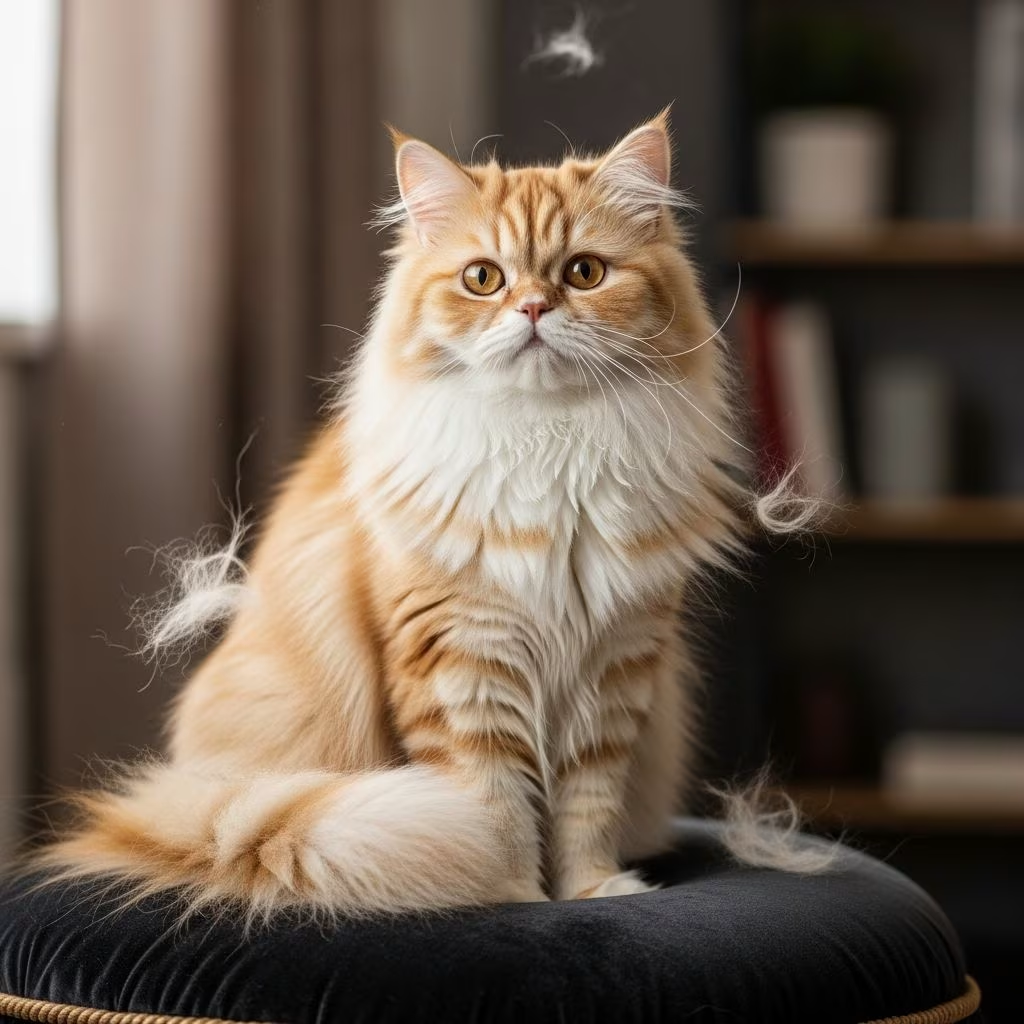
Persian cats are beloved for their luxurious, long coats and flat-faced charm, but prospective and current owners often wonder: do Persian cats shed? The answer is yes—these elegant felines are heavy shedders due to their dense double coats consisting of a thick undercoat and silky guard hairs. Shedding is a natural process for all cats, but Persians produce more loose fur than most breeds, leading to fur tumbleweeds across homes and extra grooming demands. While not hypoallergenic, proper management can minimize the mess and keep their coats healthy.
This comprehensive guide covers everything about Persian cat shedding: typical amounts, seasonal patterns, reasons for excessive loss, grooming techniques, dietary impacts, and practical tips. Whether you’re considering adopting a Persian or already battling fur everywhere, understanding their shedding habits ensures a happier cat and home.
How Much Do Persian Cats Typically Shed?
Persian cats shed moderately to heavily year-round, more than short-haired breeds like Siamese but comparable to other longhairs such as Maine Coons. Their coat structure—a plush undercoat for insulation and longer topcoat for protection—means constant renewal, releasing significant loose hair daily. Owners report vacuuming daily and finding fur on clothes, furniture, and vents.
Shedding volume varies by individual genetics, age, health, and environment. Kittens and young adults shed less initially as coats mature, while seniors may shed more due to slower growth cycles. Indoor Persians shed consistently without extreme seasonal peaks, but expect 20-50% more fur in spring and fall as they adapt to temperature shifts. Without intervention, a single Persian can deposit pounds of fur annually, exacerbating allergies via dander attachment.
- Daily shedding: Visible fur on bedding, clothes, and floors.
- Weekly buildup: Mats if ungroomed; lint rollers essential.
- Seasonal surges: Double grooming frequency needed.
Managing this requires commitment, but rewards include a stunning coat and reduced allergens.
How Often Do Persian Cats Shed?
Unlike dogs with defined molt seasons, Persian cats shed continuously throughout the year. This stems from their breed genetics, where fur grows and sheds in waves without full pauses. The undercoat renews faster, contributing to daily loose hairs, while the topcoat sheds in cycles tied to daylight and temperature.
Most owners notice peaks twice yearly: spring (winter coat loss) and fall (summer coat prep). These align with hormonal shifts, increasing shedding by 30-50% for 4-6 weeks. Warmer months see lighter shedding as coats thin naturally. Factors like indoor heating/dry air prolong shedding indoors.
| Season | Shedding Intensity | Grooming Recommendation |
|---|---|---|
| Winter/Summer | Moderate (baseline) | Brush 3-4x/week |
| Spring/Fall | Heavy (peak) | Daily brushing + baths |
| Year-round average | Consistent | Weekly full groom |
Regular routines prevent mats, where trapped hair exacerbates visible shedding. Neglect leads to vicious cycles of irritation and more loss.
Why Is My Persian Cat Shedding More Than Usual?
Normal shedding is manageable, but excessive shedding—bald patches, dramatic fur clumps, or sudden increases—signals issues. Beyond seasonal norms, consult a vet to rule out health problems. Common culprits mirror general feline concerns but hit Persians harder due to coat density.
1. Insufficient Grooming
The top reason: irregular brushing traps dead hair, forcing explosive shedding when mats pull free. Persians’ fine fur tangles easily around the ruff, belly, and hindquarters. Without 4-7 weekly sessions, undercoat builds up, irritating skin and prompting overgrooming. Solution: Daily combing with slicker brushes prevents 70% of excess loss.
2. Allergies
Allergies cause itching, leading to self-induced shedding. Food (grains, proteins), environmental (pollen, dust), or flea allergies inflame skin, making cats scratch off fur. Dander spikes worsen human allergies. Symptoms: Red skin, hot spots, patchy loss. Vet allergy tests and hypoallergenic diets resolve most cases.
3. Stress
Cats under stress overgroom, thinning coats. Moves, new pets, loud noises, or routine changes trigger cortisol spikes, accelerating follicle cycles. Persians, being sensitive, show this via excessive licking and bald belly spots. Pheromone diffusers, hiding spots, and play reduce it.
4. Hormonal Issues
Hormones disrupt cycles: Heat in unspayed females, hyperthyroidism (common in seniors), or thyroid imbalances cause symmetric loss. Signs: Weight changes, thirst, lethargy. Blood tests confirm; meds or spaying fix it.
5. Low Quality Food
Poor nutrition starves coat health. Grain-heavy, low-protein kibble lacks omega-3s, biotin, and zinc for fur anchoring. Results: Dull, brittle hair prone to fallout. Switch to premium, meat-based foods with fish oils; improvements in 4-6 weeks. Avoid carbs/sugars worsening digestion and obesity.
6. Parasites and Other Factors
Fleas, mites, or ringworm burrow, causing frantic shedding. Dry air from heaters desiccates skin, loosening fur. Check for black specks (flea dirt) and use preventives.
How to Reduce Persian Cat Shedding: Grooming & Care Tips
Control shedding with proactive care. Start young for tolerance.
- Brushing: Daily 10-15 mins with slicker brush and wide-tooth comb. Focus problem areas; ends with chamois cloth for shine.
- Bathing: Monthly with cat-safe shampoo. Waterless sprays weekly for low-effort.
- Tools: Furminator de-shedder (undercoat), shedding blade. Vacuum groomers double as fun.
- Environment: HEPA filters, rubber mats, frequent laundering. Humidifiers combat dry air.
Pro tip: Groom outdoors or over trash to contain fur.
Diet’s Role in Persian Cat Coat Health
Nutrition is 50% of shedding control. Feed AAFCO-approved foods with 30-40% protein, omegas from salmon/flax. Supplements: Fish oil (vet-dosed). Wet food hydrates skin. Transition slowly over 7-10 days.
| Nutrient | Benefit | Sources |
|---|---|---|
| Omega-3/6 | Reduces inflammation, anchors fur | Fish oil, salmon |
| Zinc/Biotin | Strengthens follicles | Meat, eggs |
| Protein | Builds keratin | Chicken, turkey |
Avoid fillers; they spike carbs, leading to poor coats and health issues like diabetes.
Are Persian Cats Hypoallergenic?
No, Persians are not hypoallergenic. They produce Fel d 1 protein in saliva/oil, sticking to shed fur/dander—the true allergen trigger. Heavy shedding amplifies exposure, though grooming cuts it 50%. Allergy sufferers: Test visits first; breeds like Sphynx suit better.
Frequently Asked Questions (FAQs)
Do all Persian cats shed the same amount?
No, varies by genetics, health, diet. Show Persians shed less with breeding for coat quality.
Can I stop my Persian from shedding completely?
No, shedding is natural. Management reduces it 60-80% via grooming/diet.
How often should I groom a Persian cat?
Daily brushing; weekly baths/combing. Peaks demand more.
Is excessive shedding a sign of illness?
Often yes—vet check for allergies, thyroid, parasites.
What diet minimizes Persian shedding?
High-protein, omega-rich; avoid grains/sugars.
Final Thoughts
Persian cats shed profusely due to their glorious coats, but with diligent grooming, superior nutrition, and environmental tweaks, you can tame the fur storm. These cuddly companions offer unmatched affection worth the effort. Invest in tools, quality food, and vet checkups for a lush coat and fur-free(ish) home. Your Persian will thank you with purrs and headbutts.
References
- Do Persian Cats Shed? Breed Characteristics & Care Tips — Hepper. 2023-2024. https://articles.hepper.com/do-persian-cats-shed/
- Persian Cat Shedding Ends! Solutions for Hairless … — YouTube (Video Transcript). 2023. https://www.youtube.com/watch?v=izZozo9GOFY
- Do Persian cats shed excessively? Find out now! — Untamed. 2024. https://untamed.com/blogs/cat-breeds/do-persian-cats-shed



