

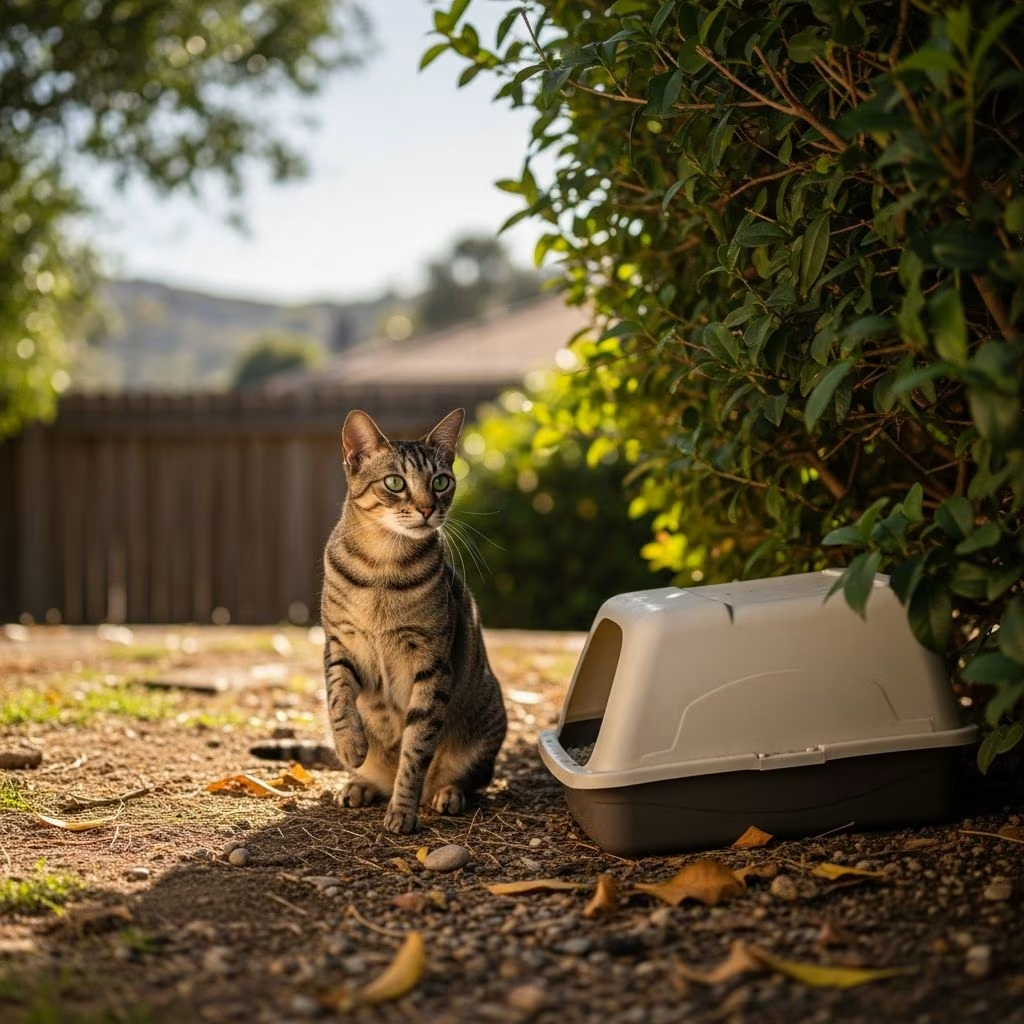
Outdoor cats often handle their bathroom needs in natural environments, but providing a litter box can offer significant benefits for their health, hygiene, and household harmony. Even free-roaming cats benefit from an accessible indoor or outdoor litter option, especially during bad weather or health issues. This comprehensive guide explores the necessity, advantages, potential downsides, and practical setup for litter boxes tailored to outdoor cats.
Quick Answer: Do Outdoor Cats Need a Litter Box?
**Yes, outdoor cats benefit greatly from having a litter box available, whether indoors or in a secure outdoor space like a catio.** While they may eliminate outside by preference, a litter box ensures they have a reliable, clean option during rain, cold snaps, illness, or territorial conflicts. Veterinary experts emphasize that even outdoor-access cats should always have an indoor facility to prevent urinary issues or avoidance due to external stressors. Studies show community cats quickly adapt to outdoor litter boxes, using them exclusively within weeks and ceasing ground elimination.
Why Outdoor Cats Might Still Need a Litter Box
Cats are fastidious groomers with strong instincts to bury waste, but outdoor conditions can disrupt this. Reasons include:
- Weather Challenges: Rain, snow, or extreme cold makes digging in dirt unappealing or impossible, leading cats to hold it in—risking urinary tract blockages.
- Health and Age Factors: Kittens, seniors, or sick cats prefer clean, accessible spots; medical pain or disease prompts indoor use.
- Territorial Issues: Stray cats or neighborhood bullies can block preferred outdoor spots, causing stress-induced avoidance.
- Owner Preferences: Prevents cats from using gardens, yards, or neighbors’ spaces, fostering better human-cat coexistence.
Providing a litter box reduces these risks, supports natural behaviors, and keeps homes odor-free.
Benefits of Providing a Litter Box for Outdoor Cats
An outdoor or accessible indoor litter box transforms cat care. Key advantages include:
- Supports Natural Instincts: Cats love burying waste; a dedicated box with diggable material like sand satisfies this without indoor dust.
- Improves Home Hygiene and Air Quality: Eliminates indoor odors, ammonia buildup, allergens, and bacteria, especially beneficial for families with children.
- Reduces Stress and Territorial Conflicts: A private, neutral space in a catio lowers anxiety and inappropriate elimination in multi-cat homes.
- Enhances Safety: Minimizes child exposure to parasites and chemicals; protects from predators during vulnerable moments.
- Boosts Mental Stimulation: Outdoor setups with sights, sounds, and smells promote well-being and reduce behavior issues.
- Ideal for Multi-Cat Households: Follow the “n+1” rule—one box per cat plus one extra—easier outdoors without space limits.
Ecologically, catios with boxes allow biodegradable litters like pine pellets or soil, cutting environmental impact.
Pros and Cons of Outdoor Litter Boxes
Outdoor litter boxes, often in catios (enclosed patios), offer unique perks but require management. Here’s a comparison:
| Pros | Cons |
|---|---|
| Eliminates indoor messes and odors | Potential neighborhood odors if not maintained |
| Weather-protected in enclosures | Requires daily cleaning to prevent pests |
| Supports multiple cats easily | Security risks if not fully enclosed |
| Eco-friendly litter options | Insect/rodent attraction without lids |
| Stress reduction for cats | Initial setup cost for catios |
Despite cons, benefits outweigh drawbacks with proper setup, making it a win-win.
How to Set Up an Outdoor Litter Box for Outdoor Cats
Creating a cat-friendly outdoor station is straightforward and effective.
Choosing the Location
- Select quiet, private spots away from high-traffic areas, water features, or neighbor complaints.
- Observe current elimination habits and place nearby.
- Ideal: Inside a secure catio for protection and exclusivity.
Building the Box
- Frame It: Use wood or plastic bins for 4 walls at cat-height (shorter for kittens).
- Add Cover Optionally: Roof or lid for security and rain protection; open designs aid drainage.
- No Bottom Needed: Allows natural drainage into soil.
Selecting Litter
- Avoid clumping types in rain; opt for sand, peat moss, soil, or pine pellets from garden stores.
- Fill shallowly for easy digging—cats prioritize texture over depth.
Maintenance Tips
- Scoop Daily: Per cat, to prevent odors and deter use elsewhere.
- Full Change: Every 1-2 weeks based on usage.
- Block Alternatives: Fence gardens to encourage box use.
- Pest Control: Lids, natural repellents; ensure ventilation.
Transition gradually: Place near indoor box first, then move outdoors.
Will Outdoor Cats Actually Use a Litter Box?
Absolutely—cats adapt quickly. A Japanese study found community cats switched exclusively to provided outdoor boxes within weeks, eliminating ground soiling. Indoor access remains crucial as backup; vets report outdoor cats with trays avoid life-threatening blockages. Cleanliness is key: Dirty boxes repel even outdoor felines.
Special Considerations for Community and Free-Roaming Cats
For feral or neighborhood cats, outdoor boxes prevent complaints and shelter risks. Place multiple in colony areas, using sturdy, covered designs. Benefits extend to happier neighbors and saved lives by reducing trap-neuter-release conflicts.
Frequently Asked Questions (FAQs)
Do outdoor cats really need a litter box?
Yes, for weather, health, and convenience—even roamers benefit from reliable access.
Can I use a regular litter box outdoors?
Non-clumping only; prefer sand or moss to avoid rain clogs.
How often should I clean an outdoor litter box?
Daily scooping, weekly full changes for hygiene and use.
What if my outdoor cat ignores the litter box?
Ensure cleanliness, right location, and litter type; block preferred spots gradually.
Are catios necessary for outdoor litter boxes?
Highly recommended for security, weather protection, and multi-cat harmony.
Key Takeaways
- Litter boxes enhance outdoor cat welfare, home cleanliness, and neighbor relations.
- Outdoor setups in catios maximize benefits while minimizing cons.
- Regular maintenance and proper materials ensure success.
- Always provide indoor backup for health safety.
Implementing a litter solution creates a healthier environment for your outdoor cat and household.
References
- Benefits of Outdoor Litter Boxes: A Life-Saver for Cats and Owners — TheCattopia.com. 2023. https://www.thecattopia.com/blog/benefits-of-outdoor-litter-boxes/
- Providing Outdoor Litter Boxes — Alley Cat Allies. 2024. https://www.alleycat.org/community-cat-care/providing-outdoor-litter-boxes/
- Community Cat Care Guide — Cat By Cat Inc. 2023. https://www.catbycatinc.org/cat-care-guide
- Does my cat need a litter box or tray? — The Cat Vet. 2024. https://www.thecatvet.co.uk/does-my-cat-need-a-litter-box-or-tray.html
- Will an Outdoor Cat Use a Litter Box? — UAH Pet. 2023. https://www.uahpet.com/blogs/post/will-an-outdoor-cat-use-a-litter-box-exploring-the-possibilities



