

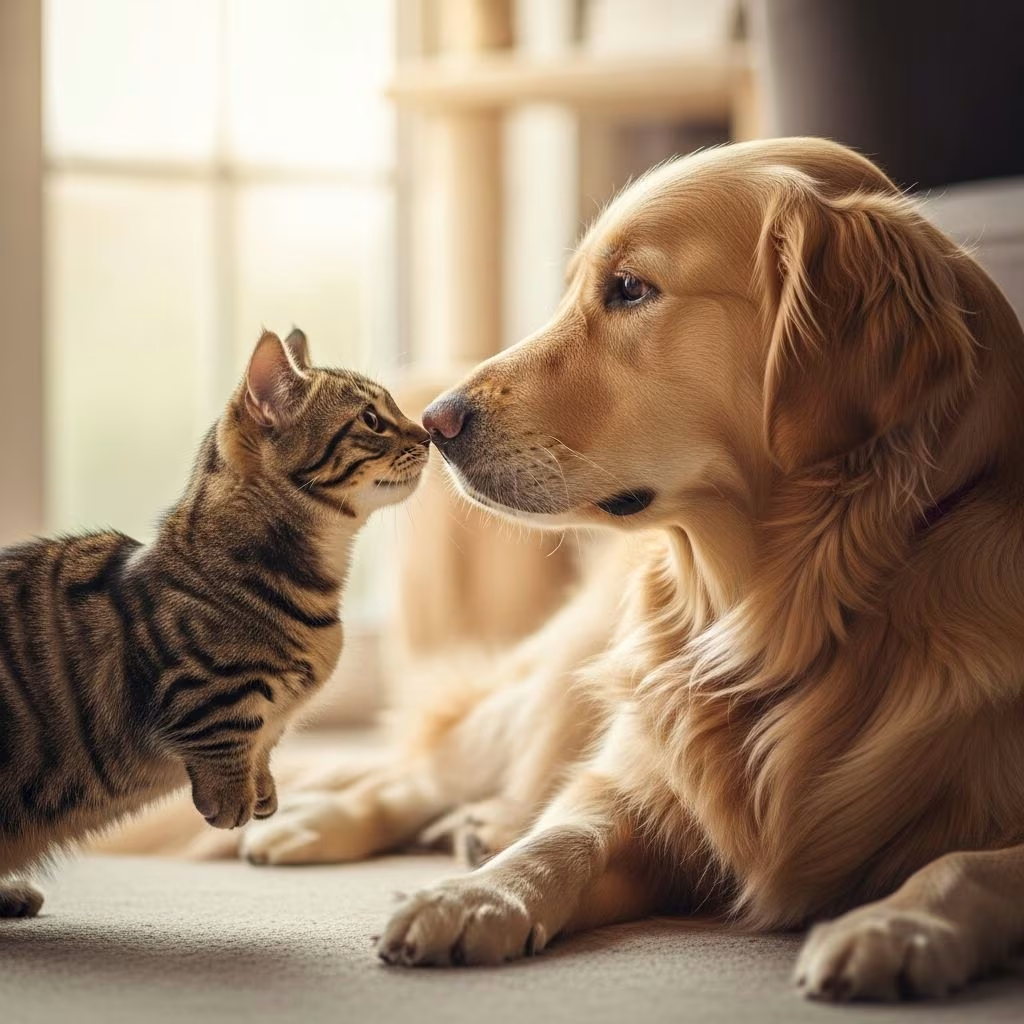
Do Munchkin Cats Get Along With Dogs?
Affectionately known as the Dachshund of the feline world, the diminutive Munchkin cat is pure, fur-covered cuteness. Their loveable looks are mirrored by equally loveable personalities, and they are known for being amiable felines that fit in comfortably with most households. In general, Munchkin cats get along happily with dogs, with some sources even noting them as one of the best choices for cat and dog-shared spaces. As with most inter-species relationships, there are always a few points to bear in mind for harmonious integration.
Understanding the Munchkin Cat Personality
Munchkin cats possess a unique combination of traits that make them particularly well-suited to living alongside dogs. Not only are they affectionate and sociable, but they are also active, playful, and curious felines that may retain an almost kitten-like attitude well into adulthood. They are confident and assertive, yet remarkably laid-back in their demeanor.
Despite their short legs, they enjoy physical play just as much as any other cat. They are surprisingly fast and may tear around the house at break-neck speed. Perhaps less surprising to learn—Munchkins are not able to jump as high as kitties with normal-length legs. This unique characteristic actually plays an important role in how they interact with dogs and their environment.
Their playful and bold nature means that Munchkins tend not to be naturally intimidated by dogs, even those larger than them. This confidence allows them to hold their own in households with canine companions, making them an excellent choice for multi-pet homes.
Do Munchkins Get Along with Other Pets and Children?
Munchkins are very gregarious and make wonderful companions to other pets and children in the home who are equally outgoing. They genuinely enjoy—rather than simply tolerate—all kinds of company, and their bold, assertive attitudes make them particularly suitable for families that include dogs.
As a breed, Munchkins are particularly playful kitties, making them a great choice for homes with other young pets and children. They prefer busy environments with plenty of opportunities to satisfy their many curiosities. Their easygoing attitude makes them very tolerant of excessive (and perhaps undesired) attention, and aggression is a very rare trait in them.
The combination of their social nature and confidence means that most Munchkin cats will thrive in multi-pet households. Their personality traits align naturally with the energy and companionship that dogs bring to a home.
Preparing Your Home for a Cat and Dog Household
Before bringing your Munchkin and dog together, it is essential to prepare your living space to accommodate both animals safely and comfortably. Proper preparation sets the stage for successful integration and helps prevent territorial conflicts.
- Ensure that your home is ready to accommodate a cat and a dog in a shared space. For example, kitty’s food and litter box should be out of reach of the dog.
- Have a safe space where your Munchkin can get away from the dog if they’re feeling overwhelmed, and vice versa, if necessary.
- Consider vertical spaces and escape routes, keeping in mind that Munchkins cannot jump as high as other cats.
- Ensure that doors and barriers can be easily opened and closed to separate the animals when needed.
Introduction Steps for Munchkins and Dogs
The introduction process between a Munchkin cat and a dog is crucial for establishing a positive relationship. Following a structured approach minimizes stress for both animals and increases the likelihood of successful cohabitation. Each step should be conducted at a pace that both animals are comfortable with.
Separation and Scent Introduction
Try and keep them separated for the first few days so that they can begin to get used to each other’s smells and sounds, though they don’t have physical access to each other. This foundational step allows both animals to acclimate to the presence of a new companion without the stress of direct interaction.
Feeding Near Each Other
Try feeding them next to each other in their separate spaces—for example, on either side of a door. They will still be able to hear and smell each other but will associate the other with something happy and exciting. This positive association is key to building a foundation of friendliness between the two animals.
Face-to-Face Introductions
Once they seem relaxed while eating their meals near one another, face-to-face introductions can be conducted. This should be done in a communal area that will be shared by both animals in the future. Keep doggie on their leash and engaged with you, and allow Munchkin to come and explore, and introduce themself at will. Let your dog explore on-leash, as they will want to smell the areas where the kitty has explored. Repeat this activity several times a day for a few days.
Supervised Mingling
Once you are satisfied that both of the fur babies are relaxed in one another’s company, you may allow them to mingle unrestrained. Make sure that the first few encounters are chaperoned. Remember, it’s perfectly okay to slow things down or backtrack at any stage if there appears to be any aggression or abnormal fear from either of the animals.
Special Considerations for Munchkins Living with Dogs
While Munchkins are generally good with dogs, their unique physical characteristics require special attention when they are living in a multi-pet household. Understanding these considerations helps ensure the safety and wellbeing of your Munchkin cat.
Safe Spaces and Escape Routes
Particularly with Munchkins, it is important to have a space that is a dog-free zone to which the kitty can escape, if necessary. This is because this breed is not as agile as other cats, as they cannot jump onto high levels to escape when threatened due to their short legs. For this same reason, they fare better as indoor cats, so careful consideration needs to be given to the indoor space that they will share with canines. Ensure that they cannot become cornered or trapped anywhere by a dog.
Aggressive Dogs and Boisterous Children
If any of the household dogs are particularly aggressive, it is wise to keep them away from your beloved Munchkin entirely. The same applies to any other aggressive pets in the home, as well as over-boisterous children, as Munchkins are simply not as successful escape artists as most other cat breeds. This is one of the most important safeguards to implement.
Back Health and Injury Prevention
Their disproportionately long backs mean that this part of their body is at higher risk of injury. Though your Munchkin may relish every minute of play with the children, make sure that the kids understand how to handle their fur baby correctly to avoid hurting him or her. Teaching proper handling techniques is essential for preventing accidental injuries during play sessions.
Socialization and Individual Differences
While Munchkin cats are generally sociable and friendly, each case is different and ultimately depends on how the cat and the dog are socialized. Early socialization of kittens and puppies, including Munchkin kittens, will determine how well they get along with each other as they grow older. A dog can get along with a Munchkin cat, but only if they’ve been properly socialized.
If you have a dog and you’re planning on getting a new Munchkin kitten, or if you have an established cat in your home and are looking to introduce a new puppy to your Munchkin, there are steps you can take to help the introductions go smoothly. These steps are essential as they set your cat and your dog up for success and ensure they are as friendly and sociable as they can be.
What If Introduction Issues Arise?
If at any point you feel that your dog or Munchkin cat is getting stressed or there’s any outright regression between them, you must separate them and try again. Going back to square one and starting again with scent swapping can help. Some won’t tolerate the other just due to their personality, and while introductions are much easier with puppies and kittens, it can be done with older animals. Older animal introductions just take more time. Talking with your vet about your pets’ behavior can also help address any concerns or behavioral issues.
Frequently Asked Questions
Q: Are Munchkin cats good with dogs?
A: Yes, Munchkin cats are very sociable and great family pets since they get along with other animals well. Their friendly nature and adaptability often results in good relationships with dogs, but this can vary depending on individual personality and socialization. As a general rule, Munchkin cats are one of the more friendly and sociable breeds of cats.
Q: Do Munchkin cats act like dogs?
A: Many Munchkin cat breeders vouch for the fact that their Munchkin cats are more like dogs. Their playful personalities, cheeky characters, and penchant for playing fetch all shine through, and their little legs don’t stop them from being able to run and chase for hours. However, you must be careful when exercising the cat since they can suffer back problems due to their smaller stature.
Q: How long does it take for a Munchkin cat and dog to get along?
A: The timeline varies depending on the individual animals and their socialization history. The introductions process typically involves several stages—scent introduction, feeding near each other, visual introductions, and finally supervised play. This can take anywhere from a few days to several weeks. Patience and proper preparation are key to success.
Q: What should I do if my Munchkin and dog aren’t getting along?
A: If your pets aren’t getting along, separate them and start the introduction process over. Go back to scent swapping and take things more slowly. Some animals may need more time to adjust, and older animal introductions can take longer than those with puppies and kittens. Consulting with your veterinarian can provide additional guidance tailored to your specific situation.
Q: Are Munchkin cats safe with large dogs?
A: Munchkin cats are generally not intimidated by larger dogs due to their confident and bold nature. However, because they cannot jump as high as other cats and are not as agile, it’s important to ensure they have safe spaces to escape and cannot be cornered. Avoid pairing Munchkins with aggressive dogs, as their limited escape options put them at risk.
Conclusion
Munchkins are playful and highly sociable kitties that would make a great addition to most families. Their confident personalities, combined with their friendly and easygoing nature, make them excellent companions for dogs. Provided the special considerations regarding their physical limitations are kept in mind, they will invariably become great buddies with their canine housemates. By following proper introduction protocols and ensuring a safe, accommodating environment, Munchkin cats and dogs can develop lasting, fulfilling relationships that enrich both animals’ lives. The key to success lies in patience, preparation, and a commitment to understanding both species’ needs and behaviors.
References
- Do Munchkin Cats Get Along With Dogs? Vet-Reviewed Answer — Catster. 2024. https://www.catster.com/cat-behavior/do-munchkin-cats-get-along-with-dogs/
- Will a Dog Get Along With a Munchkin Cat? Introduction Tips & FAQ — Hepper. https://articles.hepper.com/will-dog-get-along-with-munchkin-cat/
- Are Munchkin cats good with dogs? — Adopt a Pet. https://www.adoptapet.com/answers/are-munchkin-cats-good-with-dogs



