

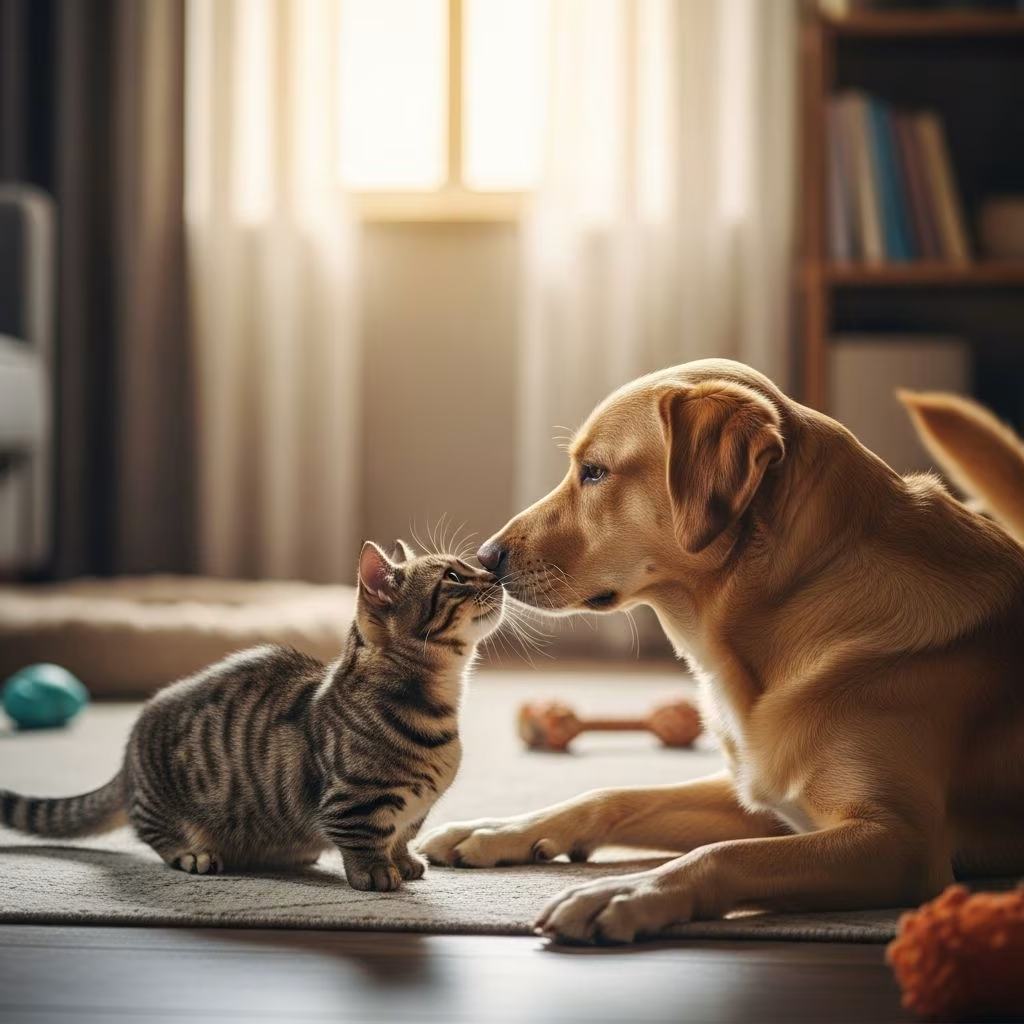
Affectionately dubbed the “Dachshund of the cat world,” Munchkin cats captivate with their short legs, adorable appearance, and endlessly playful spirits. These pint-sized felines boast personalities as charming as their looks, making them a favorite for families seeking amiable companions. But if you’re wondering, do Munchkin cats get along with dogs? The answer is a resounding yes—in general, they do exceptionally well.
Munchkins are renowned for their sociability, tolerance toward other pets, and dog-like behaviors, positioning them as one of the top breeds for multi-pet homes. Their confident, laid-back demeanor allows them to hold their own without intimidation, even against larger canines. This article dives deep into their compatibility with dogs, offering vet-reviewed insights, step-by-step introduction strategies, and essential precautions to foster lasting friendships between your short-legged kitty and furry pooch.
Munchkin Cat Personality: Why They Mesh Well with Dogs
Munchkin cats embody a unique blend of playfulness, curiosity, and affection that mirrors many dog traits. Despite their short legs—a genetic mutation causing osteochondrodysplasia—they remain agile, speedy, and kitten-like into adulthood. Owners often describe them as “perpetual kittens,” full of energy for chasing toys, exploring, and engaging in fetch—behaviors that delight dog lovers.
Key personality traits include:
- Sociable and outgoing: Munchkins crave interaction and thrive in busy households, genuinely enjoying company rather than merely tolerating it.
- Playful and active: They love physical games, zooming at high speeds across floors, though their leg length limits jumping to countertops or high perches.
- Confident yet laid-back: Not easily intimidated, they assert themselves calmly, making them ideal for homes with assertive dogs.
- Tolerant and patient: Aggression is rare; they handle attention from children or pets with ease.
These qualities make Munchkins natural buddies for dogs. Anecdotal evidence from breeders and vets highlights their success in mixed-species homes, where they often initiate play with canine housemates. However, success hinges on proper socialization—early exposure to dogs during kittenhood builds lifelong comfort.
Do Munchkins Get Along with Other Pets and Children?
Beyond dogs, Munchkins excel with a variety of companions. Their gregarious nature suits multi-pet households and families with kids. They prefer lively environments filled with stimulation, viewing other animals and children as playmates rather than threats.
With other pets:
- Munchkins bond readily with dogs of all sizes, from tiny Chihuahuas to gentle giants like Labradors.
- They coexist peacefully with other cats, though their curiosity may lead to playful chases.
- Small pets like rabbits or birds require supervision, as Munchkins’ hunting instincts could emerge despite their friendly disposition.
Around children, Munchkins shine as tolerant, forgiving playmates. Their easygoing vibe accommodates roughhousing, but education is key—teach kids gentle handling to protect the cat’s delicate spine. Overall, their bold yet relaxed attitude prevents cowering, ensuring they integrate seamlessly into dynamic homes.
How to Introduce a Munchkin Cat to a Dog: Step-by-Step Guide
While Munchkins are predisposed to dog-friendliness, rushed introductions can sour relationships. Follow this vet-recommended, gradual process to build positive associations.
- Prepare your space: Designate dog-free zones with elevated perches or rooms accessible only to the cat. Elevate food bowls, litter boxes, and beds out of dog reach. Provide vertical escapes since Munchkins can’t jump high.
- Separate initially (3–7 days): Keep them in adjacent rooms to accustom to scents and sounds without visual contact. Swap bedding for scent familiarization.
- Feed near a barrier: Place meals on opposite sides of a door or baby gate. Positive mealtime vibes link the other pet to good experiences.
- Visual introductions: Use a gate or crate for face-to-face meetings. Reward calm behavior with treats. Repeat daily until relaxed.
- Leashed meetings: In a neutral room, leash the dog and let the Munchkin approach freely. Keep sessions short (5–10 minutes), multiple times daily. Praise and treat both.
- Unsupervised mingling: Only after consistent positivity. Supervise first sessions closely; intervene at signs of stress (hissing, stiff tail, growling).
Pro Tip: If regression occurs, backtrack steps. Patience prevents fear-based aggression. Puppies and kittens integrate fastest, but adults can succeed with time.
| Day | Activity | Goal |
|---|---|---|
| 1–3 | Scent swapping & separation | Familiarize scents/sounds |
| 4–7 | Barrier feeding & visuals | Build positive associations |
| 8–14 | Leashed interactions | Test reactions safely |
| 15+ | Supervised free play | Foster friendship |
Special Considerations for Munchkins Living with Dogs
Munchkins’ physical traits demand extra vigilance in dog-inclusive homes. Their short legs impair agility, increasing vulnerability.
- Escape routes: Provide low-entry shelves, ramps, or cat trees. Avoid setups where dogs can corner them—no high jumps possible.
- Indoor-only living: Munchkins fare best indoors; secure shared spaces to prevent trapping.
- Back health: Long backs risk lordosis or pectus excavatum. Discourage rough play; supervise to prevent jumps or twists.
- Aggressive dogs: Isolate from dominant or high-prey-drive breeds like Terriers. Munchkins can’t outrun threats effectively.
- Exercise balance: Their dog-like energy matches active pups, but monitor for overexertion causing joint strain.
Health screenings from reputable breeders minimize genetic issues. Annual vet checks ensure spinal integrity amid play.
Frequently Asked Questions (FAQs)
Are Munchkin cats good with dogs?
Yes, Munchkins are highly sociable and often excel with dogs, thanks to their playful, confident nature. Proper introductions boost success rates.
Do Munchkin cats act like dogs?
Absolutely—their fetch-playing, loyal, cheeky traits mimic dogs. Short legs don’t hinder their zooming energy, but watch for back strain.
What if my Munchkin and dog don’t get along?
Slow introductions, revert to basics like scent swapping, or consult a vet/behaviorist. Some personalities clash; separation may be needed.
Can Munchkins live with children and dogs?
Yes, their tolerance suits families. Supervise kids for gentle handling to protect the cat’s spine.
Are Munchkins healthy for multi-pet homes?
With ethical breeding and care, yes. Monitor spine/joints, especially during dog play.
Conclusion
Munchkin cats’ endearing quirks and sociable hearts make them stellar dog companions. With thoughtful setups, gradual intros, and awareness of their physical limits, your home can buzz with interspecies harmony. These short-legged wonders prove size doesn’t limit friendship—embrace the fun of a cat-dog duo!
References
- Do Munchkin Cats Get Along With Dogs? Vet-Reviewed Answer — Catster. 2023-10-15. https://www.catster.com/cat-behavior/do-munchkin-cats-get-along-with-dogs/
- Will a Dog Get Along With a Munchkin Cat? — Hepper. 2024-02-20. https://articles.hepper.com/will-dog-get-along-with-munchkin-cat/
- Munchkin Kittens: Your Ultimate Guide — Munchkin Kittens Webflow. 2024-05-10. https://munchkinkittens.webflow.io/blog/munchkin-kittens-your-ultimate-guide-to-these-playful-short-legged-companions
- Sweet-Tempered Cat Breeds That Will Get Along With Your Dog — A-Z Animals. 2023-11-05. https://a-z-animals.com/slideshows/sweet-tempered-cat-breeds-that-will-get-along-with-your-dog/



