

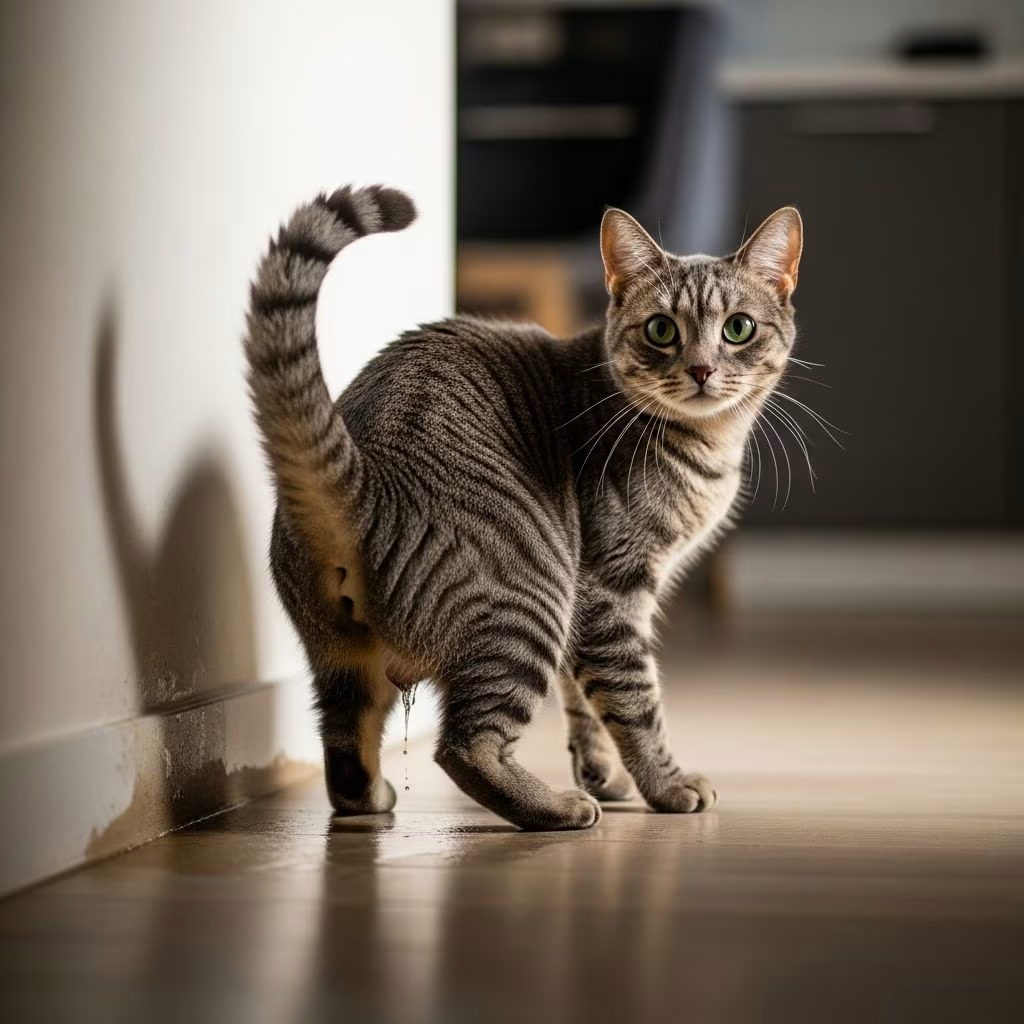
Male cats frequently engage in urine spraying as a natural instinct to communicate territory, mating availability, or stress responses, though both genders can exhibit this behavior with unneutered males being most prone.
Recognizing Feline Urine Spraying
Urine spraying represents a distinct communication method among cats, separate from standard elimination habits. When spraying, a cat typically stands upright, elevates its tail which may quiver, and directs a fine mist of urine onto vertical objects like walls, curtains, or furniture legs. This contrasts sharply with normal urination, where the cat squats over a horizontal surface such as a litter box, depositing a larger volume of urine in a puddle.
The spray often carries a pungent, musky aroma due to concentrated pheromones, making it unmistakable indoors. This behavior peaks around sexual maturity, roughly six months of age, but can emerge later amid environmental shifts. Homeowners might first notice small wet patches at knee or nose height on prominent features, signaling the cat’s attempt to assert presence.
Primary Motivations for Spraying in Male Cats
Several instinctual and situational factors drive male cats to spray, rooted in their solitary, territorial ancestry despite domestication.
Territorial Claims and Multi-Cat Dynamics
Cats spray to delineate personal zones, especially in households with multiple felines where resource competition arises. An indoor cat may react to perceived intruders, including neighborhood strays visible through windows, by marking entry points like doors to ward off rivals. Research indicates spraying escalates in multi-cat homes, with males overrepresented due to competitive drives.
Hormonal Drives in Intact Males
Unneutered males spray prolifically to advertise reproductive status, releasing hormone-laden urine that signals availability to females. This mating call intensifies during peak seasons, embedding information on age, health, and dominance. Females spray less frequently but may do so when in estrus, though males dominate this statistic.
Stress and Environmental Disruptions
Any routine alteration—new pets, household moves, furniture shifts, or even construction noise—can provoke anxiety, prompting spraying as a coping mechanism to restore familiarity via scent. Outdoor overstimulation in indoor-outdoor cats may also trigger indoor marking upon return.
Health Concerns Mimicking Spraying
Not all spraying stems from behavior; medical conditions warrant investigation first. Urinary tract infections, kidney disorders, diabetes, or arthritis can cause discomfort, leading to misplaced elimination resembling spray. A veterinary exam, including urinalysis, rules out these issues, as stressed or ill cats spray more readily.
| Condition | Symptoms Overlapping with Spraying | Diagnostic Steps |
|---|---|---|
| Urinary Tract Infection | Frequent small voids, straining | Urinalysis, culture |
| Kidney Disease | Increased thirst, weight loss | Bloodwork, imaging |
| Diabetes | Excessive urination, lethargy | Glucose tests |
| Arthritis | Reluctance to enter litter box | Physical exam, X-rays |
Effective Interventions to Curb Spraying
Addressing spraying requires a multifaceted approach: veterinary care, surgical options, environmental tweaks, and behavioral aids. Success rates soar when owners act promptly and consistently.
Surgical Sterilization: The Gold Standard
Neutering males drastically cuts spraying by 90% in most cases, eliminating testosterone-fueled urges. Performed around 4-6 months, it prevents maturity-related onset. Spaying females similarly reduces heat-induced marking. Early intervention yields best outcomes, though older cats benefit too.
Environmental Management Strategies
- Enhance Litter Access: Provide one box per cat plus one extra, in quiet, spacious spots. Scoop daily; use unscented, clumping litter.
- Reduce Stressors: Introduce changes gradually; use pheromone diffusers like Feliway to mimic calming scents.
- Block Visual Threats: Cover windows to hide outdoor cats; secure doors against intruders.
- Vertical Space Expansion: Install shelves, cat trees for territory separation in multi-cat homes.
Cleaning Protocols for Scent Elimination
Enzymatic cleaners break down urine proteins, preventing re-marking. Avoid ammonia-based products mimicking urine scent. Blot fresh spots immediately; for fabrics, follow with baking soda and vacuum.
Advanced Behavioral and Pharmacological Aids
For persistent cases post-neutering, consult vets for anti-anxiety meds like fluoxetine or behavioralists for training. Positive reinforcement—rewarding litter use—outperforms punishment, which heightens stress.
Pheromone products soothe nerves; collars or sprays deter marking. Track incidents in a journal to pinpoint triggers, aiding tailored plans.
Gender Comparisons in Spraying Prevalence
While males spray more due to hormones, females contribute during heat cycles. Neutered households see minimal gender disparity, emphasizing sterilization’s role.
| Factor | Male Cats | Female Cats |
|---|---|---|
| Intact Spraying Rate | High (90%+) | Moderate (heat-related) |
| Post-Neuter Reduction | 85-95% | 90-100% |
| Stress Triggers | Territory-focused | Routine changes |
Preventive Measures for New Cat Owners
Adopt neutered cats from shelters; spay/neuter before maturity. Design homes with ample resources from day one. Monitor for early signs like tail twitching near walls.
Frequently Asked Questions
Will neutering always stop my male cat from spraying?
Neutering resolves 80-90% of cases, but stress or habit may persist, requiring additional steps.
Can female cats spray too?
Yes, though less commonly; intact females spray during estrus.
How do I tell spraying from a litter box issue?
Spraying targets verticals in small amounts; regular peeing forms puddles on flats.
What cleaners work best on spray marks?
Enzyme-based formulas like Nature’s Miracle erase pheromones fully.
Does punishment help stop spraying?
No; it amplifies anxiety, worsening behavior.
Long-Term Outlook and Household Harmony
With diligence, most spraying ceases, restoring peace. Persistent issues signal deeper problems—professional veterinary behaviorists offer customized plans. Understanding spraying as communication fosters empathy, strengthening cat-owner bonds.
References
- Why Cats Spray and How to Stop this Behavior — Carey Animal Hospital. 2023. https://careyanimalhospital.com/blog/cat-spraying/
- Cat Spraying: Why Cats Do It and How to Stop It — PetMD. 2024-01-15. https://www.petmd.com/cat/general-health/cat-spraying-why-cats-do-it-and-how-to-stop-it
- How To Stop a Cat From Spraying — Laurel Veterinary Clinic. 2023-05-20. https://laurelpets.com/blog/how-to-stop-a-cat-from-spraying/
- Cat Spraying vs Peeing: What Does Cat Spray Smell Like? — Yalesville Vet. 2024. https://yalesvillevet.com/blog/what-does-cat-spray-smell-like/
- Why Cats Spray and How to Prevent It — Harlingen Veterinary Clinic. 2023-08-10. https://harlingenveterinaryclinic.com/blog/cat-spraying/
- Stop Cat Spraying in House — Best Friends Animal Society. 2024. https://bestfriends.org/pet-care-resources/why-my-cat-spraying-house-and-how-do-i-stop-it
- Common feline problem behaviors: Urine spraying — PMC – NIH. 2024-09-12. https://pmc.ncbi.nlm.nih.gov/articles/PMC11373755/



