

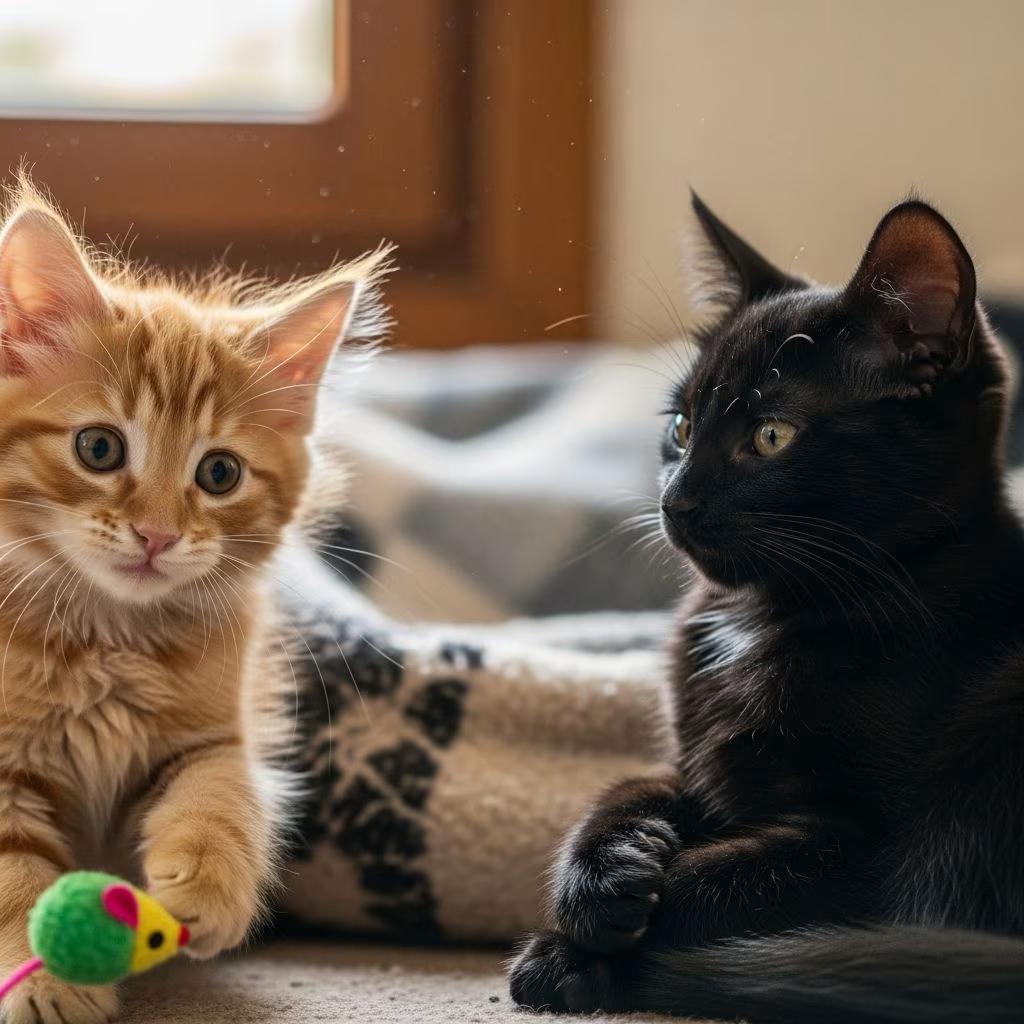
Kitten personalities do change as they grow, evolving through distinct developmental stages influenced by genetics, environment, socialization, and experiences. From neonatal helplessness to adolescent independence, these shifts are predictable yet unique to each cat, helping owners understand and support their pet’s journey.
What Determines a Kitten’s Personality?
A kitten’s personality emerges from a blend of genetic predispositions and environmental factors. Genetics set a foundation for traits like boldness or shyness, but early handling and socialization during critical periods profoundly shape outcomes. Kittens handled 15-40 minutes daily in the first seven weeks develop larger brains, becoming more exploratory, playful, and adept learners. Lack of interaction can lead to aggression or poor social skills.
Environmental influences include littermate dynamics, maternal care, and human interaction. During socialization (2-7 weeks), exposure to varied stimuli fosters confidence; isolation breeds fearfulness. Nutrition, health, and spaying/neutering also play roles, with unneutered adolescents showing heightened sexual or dominant behaviors.
Kitten Developmental Stages
Kittens progress through well-defined stages, each marked by behavioral milestones that influence personality formation. These stages guide owners in providing appropriate care.
Neonatal Stage (0-2 Weeks)
Newborn kittens are helpless, blind, and deaf, relying on mother for warmth and stimulation. They orient toward sounds and open eyes by two weeks. Competition for rank begins; premature separation causes lifelong aggression risks. Personalities are not yet evident, focused on survival basics.
Socialization Stage (2-7 Weeks)
This critical window sees senses mature: smell by week 3, hearing and vision by week 4-5. Kittens walk, run, stalk, pounce, and groom. They interact playfully with littermates, developing social skills via belly-ups, ambushing, and object play like chasing tails. Openness to new experiences peaks here; positive handling builds trusting, adaptable personalities.
- Week 2-3: Wobbly exploration, kneading, hissing at unfamiliar scents.
- Week 4: Confident walking, litter box use, initial play.
- Week 5: Energetic running, individual traits emerge (e.g., talkative or cuddly).
- Week 6-7: Mature grooming, jumping, social hierarchies form.
Most Active Play Period (7-14 Weeks)
Energy surges with sophisticated play honing coordination, hunting instincts, and social bonds. Kittens pounce, leap, scratch, and vocalize more, refining personalities through observation of mother and peers. This is prime adoption age; continued socialization prevents fear-based behaviors.
Ranking Period (3-6 Months)
Kittens establish dominance hierarchies within their ‘litter,’ including humans and other pets. They test boundaries, showing ranking behaviors like assertive play or resource guarding. Independence grows, with preferences for toys, food, and affection solidifying core traits.
Adolescence (6-18 Months)
Resembling human teens, kittens challenge authority, explore boldly, and display territoriality like scratching or marking. They gain adult-like independence, with stronger opinions and reduced kittenish play. Spaying/neutering curbs sexual behaviors; without it, dominance escalates. Personalities stabilize here, blending early foundations with experiences.
Junior Stage (6 Months-2 Years)
Still growing, juniors exhibit aggression or territoriality while learning cat boundaries. Play remains vital to channel energy positively. By age 2, most cats mentally mature, retaining kitten-like playfulness.
Do Kitten Personalities Change After Adoption?
Post-adoption, personalities can shift dramatically in the first months as kittens adjust. Shy shelter kittens often blossom in secure homes, while bold ones may mellow with routine. Early experiences are malleable; consistent positive reinforcement during socialization locks in traits, but adolescence brings testing phases that refine character.
Factors like multi-cat households influence changes: littermates teach sharing, solo kittens may bond intensely with owners. Health issues or stress can temporarily alter behavior, mimicking personality shifts.
Signs Your Kitten’s Personality is Changing
Observe these milestones:
- Increased vocalization and independence (6+ months).
- Boundary testing, like nipping or ignoring commands (adolescence).
- Preference development for specific toys, perches, or lap time.
- Graceful movements replacing clumsiness (7-12 weeks).
- Exploratory boldness, including forbidden areas.
Track via a simple journal:
| Age | Observed Traits | Notes |
|---|---|---|
| 2-7 weeks | Playful, curious | Great with handling |
| 3-6 months | Bold ranking | Tests humans |
| 6-18 months | Independent, vocal | Spay/neuter key |
How to Help Your Kitten Develop a Healthy Personality
Nurture via:
- Daily handling (15-40 min, weeks 1-7): Builds confidence.
- Enriched environment: Toys, scratching posts, vertical space for exploration.
- Socialization exposure: Gentle intros to people, sounds, handling.
- Play therapy: Interactive sessions mimic hunting, reduce aggression.
- Spay/neuter by 6 months: Prevents unwanted behaviors.
- Consistent routines: Meals, litter, affection for security.
Avoid punishment; redirect with toys. Consult vets for persistent issues.
FAQs
Do all kittens go through the same personality changes?
No, while stages are universal, genetics and experiences create variations. Some remain playful lifelong; others grow reserved.
When do kitten personalities fully develop?
By 2-3 years, though adolescence (6-18 months) brings major shifts.
Can a shy kitten become confident?
Yes, with early socialization and positive reinforcement during key weeks.
Why is my 6-month-old kitten suddenly aloof?
Adolescent independence; provide play and patience.
Does spaying change personality?
It reduces sexual/aggressive traits but preserves core personality.
References
- Developmental Stages of Kitten Behavior — Seattle Humane. Accessed 2026. https://www.seattlehumane.org/resource-library/developmental-stages-of-kitten-behavior/
- 5 Kitten Behavioral Milestones You Should Know — Kinship. Accessed 2026. https://www.kinship.com/cat-behavior/kitten-behavior-milestones
- How Old Is That Kitten? Kitten Progression — Alley Cat Allies. Accessed 2026. https://www.alleycat.org/resources/kitten-progression/
- Kitten Development Stages and Kitten Age Chart — PetMD. Accessed 2026. https://www.petmd.com/cat/care/kitten-development-understanding-kittens-major-growth-milestones
- Cat Life Stages & Behavior by Age — Fresh Step. Accessed 2026. https://www.freshstep.com/cat-care/the-6-life-stages-of-your-feline/
- A Journey Through the Ages: Understanding Your Cat’s Life Stages — AAHA. Accessed 2026. https://www.aaha.org/resources/a-journey-through-the-ages-understanding-your-cats-life-stages/
- Developmental Stages of Kitten Behavior — Safe Haven Humane Society. Accessed 2026. https://safehavenhumane.org/developmental-stages-of-kitten-behavior/



