

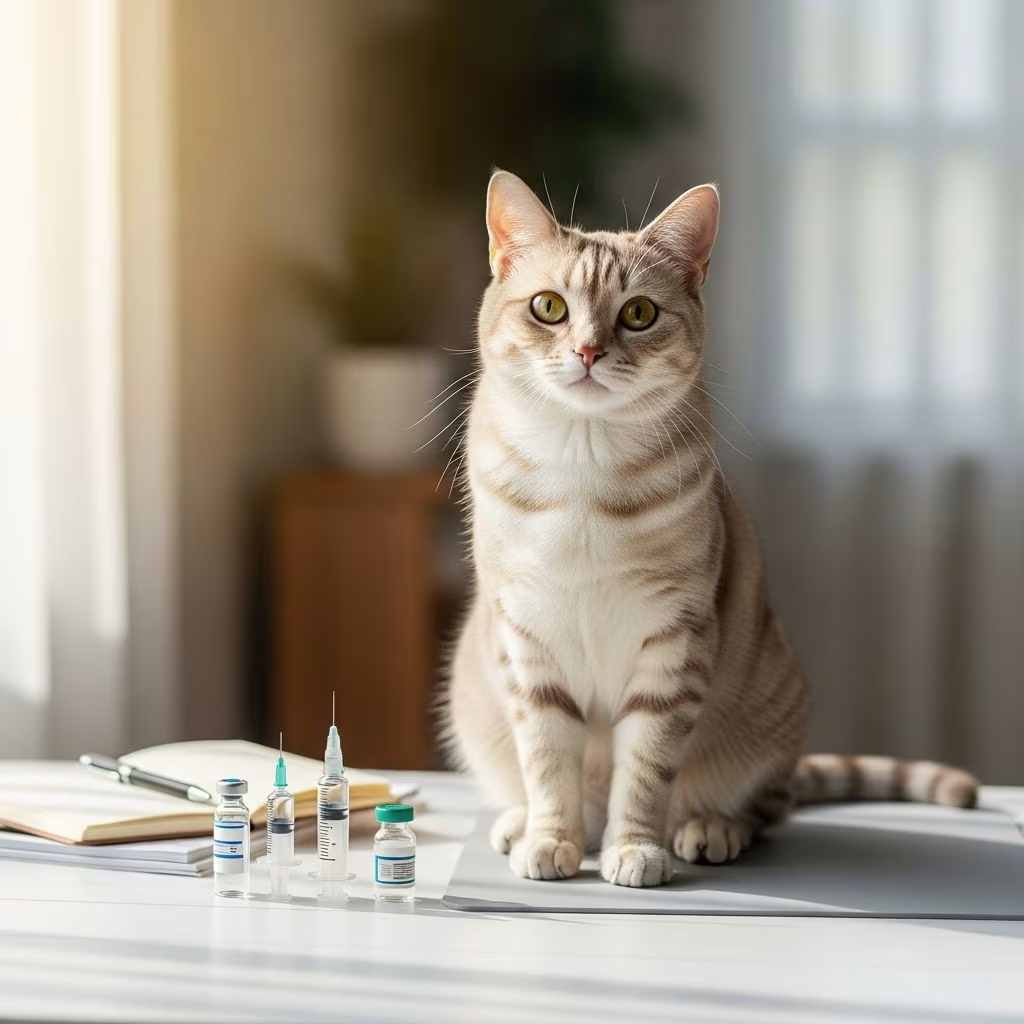
Do My Indoor Cats Need Vaccines?
Many cat owners believe that keeping their feline companions indoors provides complete protection from diseases and health threats. However, this common misconception can leave your indoor cat vulnerable to serious, preventable illnesses. The truth is that indoor cats do need vaccines, and veterinarians strongly recommend vaccination for all cats, regardless of whether they spend time outdoors or remain exclusively indoors.
While indoor cats do face fewer risks than outdoor cats, they are not immune to infectious diseases. Germs and viruses can easily enter your home through various means, and even a brief escape to the outdoors could expose your cat to life-threatening conditions. Understanding the importance of vaccinations and maintaining a proper vaccination schedule is essential for responsible cat ownership.
Why Indoor Cats Need Vaccines
Several compelling reasons explain why indoor cats require vaccinations, despite their protected indoor environment:
Germs Can Enter Your Home
Viruses and bacteria can easily make their way into your household through unexpected pathways. You may inadvertently bring pathogens into your home on your shoes, clothing, or through other pets. Additionally, insects such as fleas and mosquitoes can transmit diseases, and contaminated items or materials can introduce harmful organisms into your living space. These indirect routes of transmission pose real risks to indoor cats who have no immunity to these diseases.
Accidental Escape Risk
Even the most vigilant cat owners experience moments when doors are left ajar or windows are left open. Kittens are particularly curious and quick, and adult cats can slip through unexpected opportunities. Research indicates that approximately 1 in 4 indoor cats may escape outdoors at least once during their lifetime, either through open doors, windows, or other unforeseen circumstances. When escape happens, your unvaccinated cat faces immediate exposure to outdoor pathogens.
Boarding and Grooming Needs
If your indoor cat requires professional grooming or needs to stay at a boarding facility, vaccination becomes even more critical. These environments bring cats into contact with other animals that may carry infectious diseases. Vaccinated cats are better protected in these situations and are more likely to be accepted at reputable facilities that prioritize animal health and safety.
Legal Requirements
Many states have laws mandating certain vaccinations for all cats, regardless of lifestyle. Rabies vaccination is particularly common as a legal requirement in numerous jurisdictions, as rabies poses a serious public health threat. Having proper vaccination documentation protects you legally and ensures compliance with local regulations.
Core Vaccines for Indoor Cats
Veterinarians recommend that all indoor cats receive core vaccines, which protect against serious, highly contagious, and potentially fatal diseases. These vaccines are considered essential for every cat.
Feline Panleukopenia (Feline Distemper)
Feline panleukopenia is a highly infectious viral disease that can be fatal, particularly in kittens and young cats. This disease causes severe symptoms including fever, vomiting, diarrhea, loss of appetite, and in some cases, sudden death. The virus attacks the cat’s immune system and bone marrow, making it especially dangerous. Vaccination against panleukopenia is a critical component of protecting your indoor cat.
Feline Herpesvirus-1 (Rhinotracheitis)
Feline herpesvirus-1 causes upper respiratory infections characterized by sneezing, nasal discharge, and eye inflammation. While some cats recover, the virus can remain dormant in their system and reactivate during times of stress. This highly contagious virus spreads through indirect contact, making indoor cats susceptible even without outdoor exposure.
Feline Calicivirus
Calicivirus is another highly contagious respiratory pathogen that causes upper respiratory disease in cats. Symptoms include sneezing, mouth ulcers, lameness, and in severe cases, pneumonia. Like herpesvirus, calicivirus can transmit through indirect contact, posing a risk to indoor cats.
Rabies
Despite being indoors, the rabies vaccine is legally required in many jurisdictions and is considered a core vaccine for all cats. Rabies is a fatal disease that can be transmitted through bites from infected animals or contact with infected saliva. Because rabies is almost always fatal once symptoms appear and poses a serious public health risk, vaccination is essential and often legally mandated.
Non-Core or Lifestyle Vaccines
In addition to core vaccines, certain non-core vaccines may be recommended based on your individual cat’s lifestyle, risk factors, and living situation:
Feline Leukemia Virus (FeLV)
While feline leukemia is typically more common in outdoor cats, it can affect indoor cats, especially if they live in multi-cat households or have outdoor exposure risks. FeLV weakens the immune system and can lead to various cancers and infections. Your veterinarian may recommend this vaccine based on your cat’s risk profile.
Feline Immunodeficiency Virus (FIV)
FIV causes immunodeficiency in cats through close contact exposure. It is primarily recommended for cats with frequent outdoor access or those in households with multiple cats of unknown FIV status. Indoor cats with no exposure risk typically do not require this vaccine.
Bordetella Bronchiseptica
This highly contagious bacterium causes upper respiratory infections. Your veterinarian might suggest this vaccine if you are taking your cat to boarding kennels, grooming facilities, or cat shows where exposure to other cats is likely.
Chlamydophila Felis
This vaccination protects against chlamydia, a bacterial infection that causes severe conjunctivitis and upper respiratory signs. This vaccine is often included as part of the distemper combination vaccine and may be recommended for cats with higher exposure risks.
Indoor Cat Vaccination Schedule
Establishing and maintaining a proper vaccination schedule is crucial for ensuring your indoor cat develops and maintains immunity against preventable diseases. The following schedule outlines the typical vaccination protocol for kittens and adult cats:
Kitten Vaccination Timeline
| Age | Vaccines and Examinations |
|---|---|
| 6-8 weeks | Fecal exam for parasites, blood test for feline leukemia, nutrition and grooming review, vaccination for rhinotracheitis, calicivirus, panleukopenia, and chlamydia |
| 10-12 weeks | Feline leukemia vaccination, external parasite examination, booster vaccinations for rhinotracheitis, calicivirus, panleukopenia, and chlamydia |
| 14-16 weeks | Rabies vaccine, booster vaccinations for rhinotracheitis, calicivirus, panleukopenia, and chlamydia, feline leukemia booster |
Your kitten will not be considered fully protected until they have received all routine vaccines, which typically occurs around 12 to 16 weeks of age. If you wish to allow your kitten outdoors before complete vaccination, restrict them to low-risk areas such as your backyard.
Adult Cat Booster Shots
Once your cat completes the initial vaccination series, they require regular booster shots to maintain immunity. Adult cats should receive booster shots for their vaccines every year, or once every three years for specific vaccines, depending on the vaccine type and your veterinarian’s recommendations. These booster shots “boost” your cat’s protection against feline diseases after the effects of initial vaccines wane. Your veterinarian will work with you to determine the appropriate shot schedule based on your cat’s individual needs, lifestyle, and local regulations.
Understanding Vaccine Protection
Vaccinations work by introducing a harmless form of a disease antigen to stimulate your cat’s immune system to produce antibodies against that disease. If your cat is later exposed to the actual disease, their immune system can quickly recognize and combat the pathogen, preventing illness or reducing severity.
It is important to understand that vaccination is not a one-time event but an ongoing process. Vaccine protection diminishes over time, which is why booster shots are necessary. By maintaining your cat’s vaccination schedule, you ensure they retain the immunity needed to fight off diseases throughout their life.
Your veterinarian will provide you with a vaccination certificate documenting which vaccines your cat has received and when they were administered. This documentation is often required for boarding facilities, groomers, and may be needed to comply with local regulations.
Potential Vaccination Risks and Considerations
While vaccines are generally safe and effective, it is important to discuss any concerns with your veterinarian. Some cats may experience mild side effects such as lethargy, decreased appetite, or mild fever for a day or two following vaccination. These reactions are typically temporary and resolve without treatment.
Rare allergic reactions can occur in some cats. Your veterinarian will monitor your cat after vaccination and can recommend appropriate management strategies if concerns arise. The benefits of vaccination in preventing serious, potentially fatal diseases far outweigh the small risk of adverse reactions.
Your veterinarian can assess your individual cat’s health status and determine which vaccines are most appropriate based on their specific risk factors and medical history. Never administer vaccines without veterinary guidance.
Benefits of Keeping Your Indoor Cat Vaccinated
Maintaining your indoor cat’s vaccination schedule provides numerous benefits:
– Disease Prevention: Protects your cat from serious, potentially fatal infectious diseases- Legal Compliance: Ensures adherence to local vaccination requirements and regulations- Peace of Mind: Provides confidence that your cat is protected even if unexpected exposure occurs- Facility Access: Allows your cat to attend grooming appointments, boarding facilities, and veterinary care without restrictions- Herd Protection: Contributes to the health of the broader cat population by reducing disease transmission- Longevity: Supports your cat’s overall health and helps ensure a longer, healthier life
Frequently Asked Questions
Q: Can indoor cats get sick from diseases if they never go outside?
A: Yes. Viruses and bacteria can enter your home through contaminated shoes, clothing, other pets, and insects. Additionally, indoor cats can accidentally escape, exposing them to outdoor pathogens. Vaccination provides essential protection against these risks.
Q: How often does my indoor cat need booster shots?
A: Most adult cats require booster shots annually or every three years, depending on the specific vaccine. Your veterinarian will recommend the appropriate schedule for your cat based on their individual needs and local regulations.
Q: Is the rabies vaccine necessary for indoor cats?
A: Yes. Rabies vaccination is legally required for cats in many states and jurisdictions, regardless of whether they are indoor or outdoor cats. Rabies is a fatal disease that poses serious public health risks, making vaccination essential.
Q: What are core vaccines and why are they important?
A: Core vaccines protect against serious, highly contagious, and potentially fatal diseases that all cats should be vaccinated against. For cats, core vaccines include panleukopenia, feline herpesvirus, calicivirus, and rabies. These diseases can be transmitted through indirect contact and pose significant health risks.
Q: Are there any side effects from cat vaccines?
A: Most cats experience no side effects from vaccination. Mild, temporary reactions such as lethargy, decreased appetite, or mild fever may occur in some cats. Serious allergic reactions are rare. Contact your veterinarian if you have concerns about your cat’s response to vaccination.
Q: What happens if I miss my cat’s booster vaccination?
A: If you miss a booster vaccination, your cat’s immunity may decrease over time. Contact your veterinarian to schedule a booster appointment. Depending on how long it has been since the last vaccine, your veterinarian may recommend a single booster or a series of boosters.
Q: Does my indoor cat need the feline leukemia vaccine?
A: Feline leukemia (FeLV) is typically more common in outdoor cats but can affect indoor cats, particularly in multi-cat households. Your veterinarian will assess your cat’s individual risk factors and recommend whether this non-core vaccine is appropriate for your cat.
Conclusion
Indoor cats do need vaccines to protect them from serious, preventable diseases. While indoor cats face fewer risks than outdoor cats, they are not immune to infectious diseases. Vaccinating your indoor cat ensures they have the necessary immunity to fight off diseases they may encounter through indirect exposure, accidental escape, or when visiting grooming and boarding facilities. Work closely with your veterinarian to establish and maintain an appropriate vaccination schedule for your cat based on their individual needs, lifestyle, and local regulations. By prioritizing vaccination, you are taking a crucial step in ensuring your indoor cat enjoys a long, healthy, and protected life.
References
- Feline Vaccines: Benefits and Risks — Cornell Feline Health Center. 2024. https://www.vet.cornell.edu/departments-centers-and-institutes/cornell-feline-health-center/health-information/feline-health-topics/feline-vaccines-benefits-and-risks
- Indoor Cats and Infectious Disease — VCA Animal Hospitals. 2024. https://vcahospitals.com/know-your-pet/indoor-cats-and-infectious-disease
- Do Indoor Cats Still Need Vaccines? — Triangle Animal Clinic. 2024. https://triangleanimalclinic.com/blog/indoor-cats-vaccine/
- Why Indoor Cats Need Vaccines and Preventative Care, Too — Cobblestone Veterinary Clinic. 2024. https://www.cobblestone.vet/services/cats/blog/why-indoor-cats-need-vaccines-and-preventative-care-too
- Should I Get My Indoor Cat Vaccinated? Why & When to Do It — Quail Hollow Veterinary Clinic. 2024. https://www.quailhollowvet.com/site/blog/2024/02/15/should-i-get-my-indoor-cat-vaccinated
- Do indoor cats need vaccines? Why & When to Give Them Shots — AllPets Veterinary Hospital. 2023. https://www.allpetsvh.com/site/blog/2023/12/15/indoor-cats-need-vaccines
- What Vaccines Do Indoor Cats Need? — Bound Brook Veterinary Clinic. 2022. https://www.boundbrookvet.com/site/blog/2022/11/23/vaccines-indoor-cats-need



