

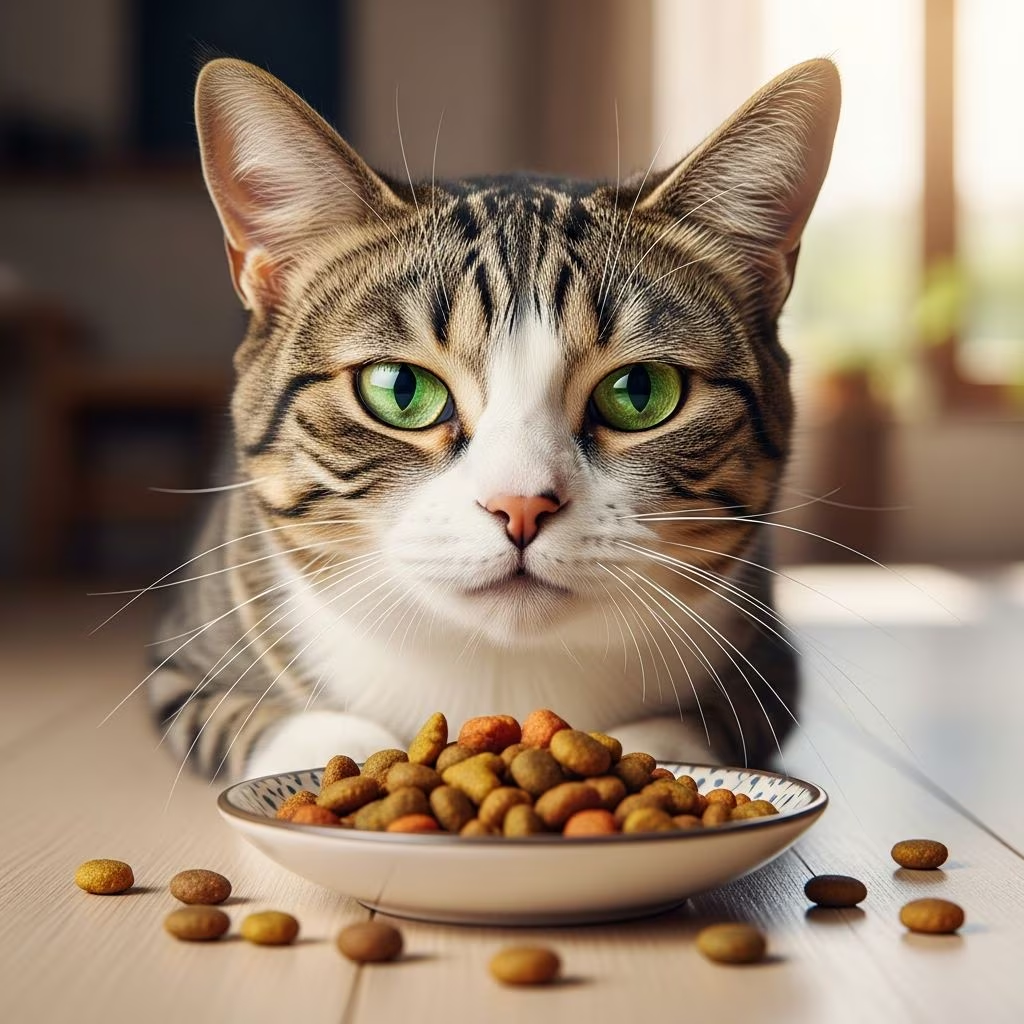
Finicky eating in cats involves being overly choosy about food, where your cat might refuse meals they’ve previously enjoyed or insist on one specific brand and type. This behavior can stem from medical issues, environmental factors, or learned habits, making it essential for cat owners to differentiate between harmless pickiness and signs of a deeper problem.
What Does Finicky Eating Mean for Cats?
**Finicky eating** is characterized by a cat’s selective refusal of food, often without an apparent reason. Your cat may turn away from their regular kibble or wet food after eating it consistently, or demand only a particular flavor or texture. Unlike dogs, cats are obligate carnivores with heightened senses of smell and taste, which can amplify their preferences and make them seem excessively picky.
This selectivity isn’t always a behavioral quirk. Sudden changes in appetite can signal health concerns, while gradual pickiness might reflect boredom or routine disruptions. Understanding the distinction helps owners respond appropriately, ensuring their cat maintains proper nutrition.
Is It Normal for Cats to Be Picky Eaters?
Some pickiness is normal due to cats’ natural instincts as hunters who prefer fresh, varied prey in the wild. However, extreme refusal—such as skipping meals for days—is not normal and warrants veterinary attention. Many cats develop preferences early in life, like sticking to one wet food brand from kittenhood, as seen in real-life examples where cats reject alternatives despite nutritional similarity.
- Cats may ignore new foods due to neophobia, a fear of novelty common in felines.
- Established routines reinforce preferences, making transitions challenging.
- Independent eaters, like some profiled cats, nonchalantly refuse options without distress.
While mild pickiness is common, monitor for weight loss or lethargy, as prolonged refusal risks hepatic lipidosis, a serious liver condition in cats.
Why Is My Cat a Picky Eater? 7 Common Reasons
Several factors contribute to finicky eating. Identifying the root cause is the first step toward resolution.
1. Medical Issues
Health problems like dental disease, gastrointestinal upset, kidney issues, or hyperthyroidism can alter taste and appetite. Pain from teeth or nausea from illness makes food unappealing. Always rule out medical causes with a vet visit before assuming behavioral pickiness.
2. Food Boredom
Cats thrive on variety, mimicking wild hunting. Monotonous diets lead to rejection, even of nutritious food. Rotating flavors or textures prevents this.
3. Stress or Environmental Changes
Moving, new pets, or household disruptions trigger stress eating patterns. Cats associate food with security, so anxiety disrupts appetite.
4. Poor-Quality Food
Low-grade ingredients with fillers fail to satisfy nutritional needs or taste preferences. Cats detect subtle quality differences.
5. Feeding Routine Disruptions
Inconsistent schedules confuse cats, leading to refusal. Fixed mealtimes promote reliability.
6. Overfeeding Treats
Excess treats spoil appetite for meals, creating bad habits.
7. Age-Related Changes
Kittens, seniors, or those with reduced senses become pickier. Seniors may need softer, warmer foods.
Best Cat Foods for Picky Eaters
Selecting the right food tempts finicky cats. Prioritize high-protein, palatable options with novel proteins or enticing textures.
| Food | Key Features | Protein/Fat |
|---|---|---|
| Smalls Fresh Ground Bird Recipe | Human-grade, chicken-based, customized subscription | 13%/8.5% |
| Fussie Cat Market Fresh Dry | Guinea fowl & turkey for sensitive cats | 35%/15% |
| Made By Nacho Bone Broth | Chicken, duck, quail variety | 32%/18% |
| Friskies Shreds in Gravy | Topper or standalone, multi-flavor packs | 9%/2-2.5% |
These options emphasize flavor, digestibility, and hydration. Wet foods often succeed over dry due to aroma and moisture.
How to Get Your Finicky Cat to Eat: 9 Vet-Reviewed Tips
Implement these strategies systematically for success.
- Consult a Vet First: Rule out illnesses.
- Warm the Food: Enhances aroma to stimulate appetite.
- Try Toppers: Add moisture and flavor; commercial toppers boost palatability.
- Rotate Proteins: Introduce novel flavors gradually.
- Set a Schedule: Feed 2-3 times daily, remove uneaten food after 20 minutes.
- Mix Wet and Dry: Balances nutrition and preferences.
- Reduce Treats: Limit to 10% of calories.
- Hand-Feed Initially: Builds positive associations.
- Enrich Environment: Puzzle feeders combat boredom.
Finicky Kitten vs. Adult Cat Eating Habits
Kittens are often less picky, exploring flavors freely. Adults, shaped by habits, resist change—like cats loyal to one wet food brand. Transition carefully during life stages, using gradual mixing over 7-10 days.
Potential Health Risks of Finicky Eating
Prolonged refusal leads to malnutrition, dehydration, and fatty liver disease. Monitor weight weekly; intervene if loss exceeds 10%.
Frequently Asked Questions (FAQs)
What should I do if my cat stops eating?
Seek vet care immediately if refusal lasts over 24 hours, especially with vomiting or lethargy.
Will my cat starve itself if it doesn’t like the food?
Cats can self-starve dangerously due to strong preferences; don’t withhold food long-term.
Are wet foods better for picky cats?
Yes, their strong smell and texture appeal more than dry kibble.
How long to transition cat food?
7-10 days, mixing increasing amounts of new food.
Can stress cause pickiness?
Absolutely; use pheromone diffusers and stable routines to alleviate.
References
- 10 Best Tasting Cat Foods for Picky Cats in 2026 – Reviews & Top Picks — Catster. 2026. https://www.catster.com/nutrition/best-cat-food-for-picky-cats/
- Foodies vs Picky Eaters: The Wednesday Cats of Catster — Catster. N/A. https://www.catster.com/felines-weekly/foodies-vs-picky-eaters-the-wednesday-cats-of-catster/
- How to Get a Picky Cat to Eat: 9 Vet-Reviewed Tips — Catster. N/A. https://www.catster.com/nutrition/how-to-get-a-picky-cat-to-eat/
- Do I Have a Finicky Cat? Is a Finicky Eater a Behavior Issue? (Vet Reviewed) — Catster. N/A. https://www.catster.com/lifestyle/do-i-have-a-finicky-cat/
- Cat Food: Why It Pays to Get It Right — Catster. N/A. https://www.catster.com/felines-weekly/cat-food-why-it-pays-to-get-it-right/



