

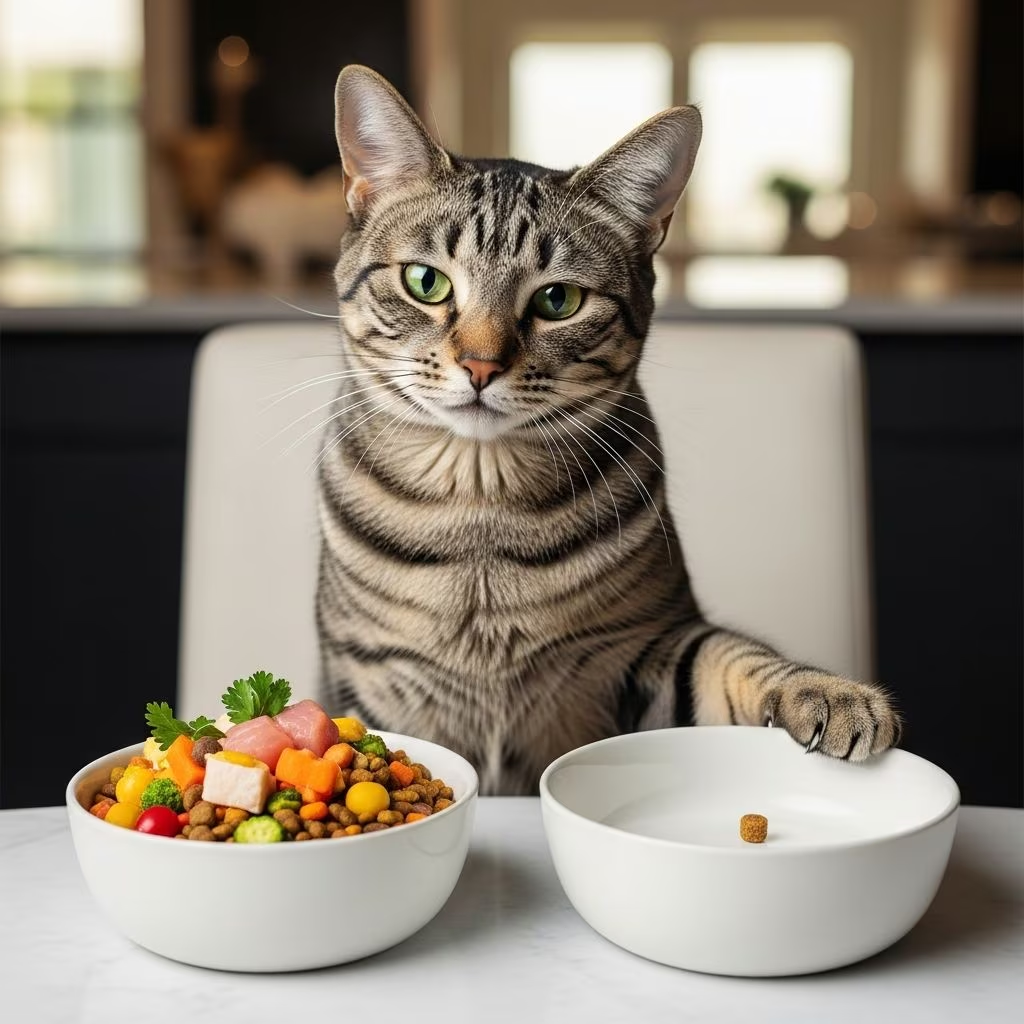
Do I Have a Finicky Cat? Understanding Picky Eating Behaviors
Finicky eating in cats is a common challenge for pet owners, characterized by a cat being choosy about their food and refusing meals for seemingly no reason. A finicky cat may reject food after eating it multiple times or insist on only specific brands and types. Understanding whether your cat is truly finicky or exhibiting behavioral issues is the first step toward finding solutions that work for your pet’s unique preferences and dietary needs.
What Defines a Finicky Cat?
A finicky cat is one that exhibits selective eating habits and shows reluctance toward certain foods or food types. Unlike cats with genuine health issues or allergies, finicky eaters typically have healthy appetites but are particular about what they consume. This behavior can stem from various factors, including taste preferences, texture preferences, or simply a cat’s natural inclination to be selective about their diet.
The distinction between a finicky cat and one with behavioral or health issues is important. Some cats may refuse food due to underlying medical conditions, stress, or environmental changes, while true finicky eaters simply prefer specific flavors, brands, or food formats. Recognizing which category your cat falls into will help you address the issue more effectively.
Common Signs Your Cat Is Finicky
Several behaviors indicate that your cat may be a finicky eater:
- Refusing the same food repeatedly – Your cat may eat a food enthusiastically for weeks, then suddenly reject it without any apparent reason.
- Brand loyalty – Your cat insists on eating only one specific brand of food, similar to how some cats remain devoted to a particular wet food brand throughout their lives.
- Texture preferences – Some finicky cats prefer wet food over dry kibble or vice versa, and will refuse any other format.
- Selective ingredient acceptance – Your cat may eat chicken-based foods but refuse fish-based recipes, or show strong aversion to certain proteins.
- Delayed eating – A finicky cat may sniff their food and walk away without eating, even when the food is fresh and appropriate for their age.
- Inconsistent appetite signals – Unlike cats with normal appetites, finicky eaters may seem indifferent to mealtime or show unpredictable interest in food.
Is Finicky Eating a Behavior Issue?
Finicky eating can be both a preference issue and a behavioral concern, depending on the context. In some cases, a cat’s pickiness is simply their personality—they know what they like and refuse to compromise. This isn’t necessarily a problem if your cat maintains a healthy weight and receives proper nutrition from the foods they do accept.
However, finicky eating can become problematic if it leads to inadequate nutrition, weight loss, or if the behavior is driven by stress or environmental factors. Cats may refuse food due to changes in their household, the introduction of new pets, litter box issues, or anxiety. In these cases, addressing the underlying behavioral or environmental cause is essential.
If your finicky cat’s eating habits suddenly change or are accompanied by other symptoms like lethargy, weight loss, or vomiting, consult your veterinarian. These signs may indicate a health issue rather than simple pickiness.
Understanding Why Cats Become Finicky
Several factors contribute to finicky eating behaviors in cats:
Early Feeding Experiences
Cats often develop strong preferences based on what they eat as kittens. If a cat was introduced to a specific food early in life, they may remain loyal to that food throughout adulthood, resisting changes even to higher-quality options. This imprinting effect explains why some cats refuse to eat anything other than the brand they’ve known since kittenhood.
Taste and Flavor Preferences
Cats have distinct taste preferences, and what appeals to one cat may be completely unappealing to another. Some cats prefer poultry-based foods, while others gravitate toward seafood. The aromatic quality of food also matters significantly—cats are more likely to eat foods with strong, appealing scents.
Texture Preferences
The texture of food plays a crucial role in a finicky cat’s willingness to eat. Some cats strongly prefer wet canned food, while others insist on dry kibble. Cats with dental issues or difficulty chewing may naturally prefer softer foods, contributing to texture-based pickiness.
Food Quality and Digestibility
Cats may refuse foods that cause digestive discomfort, even if they initially enjoy the taste. Ingredients that are difficult to digest can lead to stomach upset, and cats may associate the food with discomfort, causing them to refuse it in the future. Selecting recipes with easily digestible ingredients and proper nutritional balance is essential for picky eaters.
Sensory Sensitivity
Some cats are simply more sensitive to sensory input. They may be particular about food temperature, the bowl material, the eating location, or even the bowl’s proximity to their litter box. Environmental factors can significantly influence whether a finicky cat will eat.
Strategies for Feeding a Finicky Cat
Choose High-Quality, Flavorful Foods
Investing in high-quality cat food designed for picky eaters can make a significant difference. Look for foods that prioritize palatability and use premium ingredients. Human-grade, minimally processed foods often appeal more to finicky cats than heavily processed options. Brands offering tailored meal plans based on your cat’s preferences may also be worth exploring, even if they come at a premium price point.
Experiment with Different Food Formats
If your cat refuses dry kibble, try switching to wet canned food or fresh food options. Conversely, if your cat is bored with wet food, introducing high-quality dry food might renew their interest. Having variety in food formats ensures your cat has options that appeal to their preferences.
Use Food Toppers
Toppers are an effective strategy for encouraging finicky cats to eat. Adding commercial toppers to kibble or mixing them into wet food can enhance flavor and moisture content, making meals more enticing. Toppers also provide hydration, which is crucial for cats’ overall health and wellbeing. This approach works especially well for cats that are bored with their current food.
Optimize Feeding Environment
Create an optimal feeding environment for your finicky cat:
- Place food bowls away from the litter box and water bowl
- Use clean, non-metallic bowls (some cats dislike the taste of metal)
- Maintain consistent feeding times and locations
- Minimize distractions and stress during mealtime
- Ensure the feeding area is quiet and accessible
Introduce New Foods Gradually
When transitioning to a new food, introduce it gradually over 7-10 days, mixing increasing amounts of new food with the old food. This approach helps finicky cats adjust to new flavors and reduces the risk of digestive upset that might cause them to refuse the food permanently.
Monitor Portion Sizes
Some finicky cats eat better when given smaller, more frequent meals rather than large portions. This approach can also help maintain their interest in food throughout the day.
Best Cat Foods for Finicky Eaters
| Food Brand | Type | Key Features | Best For |
|---|---|---|---|
| Smalls Fresh Ground Bird Recipe | Fresh, subscription-based | Human-grade, minimally processed, tailored to individual cats, multiple flavors | Premium budgets, highly selective eaters |
| Fussie Cat Market Fresh Dry | Dry kibble | 35% protein, guinea fowl formula, high-quality ingredients | Sensitive and picky cats |
| Made By Nacho Bone Broth Infused | Dry kibble | 32% protein, multiple protein sources (chicken, duck, quail), supports digestion | Cats needing digestive support |
| Friskies Shreds in Gravy | Wet canned | Multiple flavor options, high-palate sauce, budget-friendly | Cost-conscious owners, cats preferring wet food |
When to Consult a Veterinarian
While finicky eating is often simply a personality trait, certain situations warrant veterinary consultation:
- Your cat’s appetite suddenly changes dramatically
- Your cat loses weight despite eating
- Your cat shows signs of illness (lethargy, vomiting, diarrhea)
- Your cat refuses all foods for more than 24 hours
- You suspect underlying medical conditions or food allergies
- Your cat’s finickiness is accompanied by behavioral changes
A veterinarian can rule out medical issues, recommend appropriate foods for your cat’s specific health needs, and provide guidance on managing finicky eating behaviors.
Accepting Your Finicky Cat’s Personality
Many cat owners discover that their finicky cat has a well-defined personality and strong preferences about their diet. Some cats maintain loyalty to a single food brand throughout their entire lives, remaining unmoved by offers of newer, more expensive options. This isn’t necessarily problematic if the food meets your cat’s nutritional needs and keeps them healthy and happy.
Understanding that your finicky cat isn’t being difficult but rather expressing genuine preferences can help you approach feeding with patience and acceptance. Your cat knows what she likes, and as long as she’s healthy and thriving, honoring those preferences is a reasonable approach to pet ownership.
Frequently Asked Questions About Finicky Cats
Q: Is my finicky cat being stubborn, or is this a real problem?
A: Finicky eating is often a personality trait rather than stubbornness. If your cat is healthy, maintains a good weight, and eats adequate amounts of nutritious food, her pickiness is likely just part of her personality. However, if her behavior changes suddenly or she shows signs of illness, consult your veterinarian.
Q: How can I tell if my cat’s refusal to eat is due to health issues or finickiness?
A: Health-related appetite changes typically occur suddenly and may be accompanied by other symptoms like lethargy, weight loss, vomiting, or diarrhea. True finickiness is usually consistent over time and doesn’t involve these additional symptoms. When in doubt, consult your vet to rule out medical issues.
Q: Should I keep switching foods to find what my finicky cat will eat?
A: Constant food changes can actually reinforce finicky eating and upset your cat’s digestive system. Instead, choose a high-quality food appropriate for your cat’s age and health, introduce it gradually, and give your cat time to adjust. Use toppers or other strategies to increase palatability rather than switching foods frequently.
Q: Can food toppers really help with finicky eating?
A: Yes, toppers add moisture and flavor to food, making meals more appealing to selective eaters. They also increase hydration intake, which is beneficial for cats’ overall health and wellbeing. Toppers can be effective for both dry and wet foods.
Q: Is it okay if my finicky cat only eats one brand of food?
A: If that food is nutritionally complete and balanced, and your cat maintains good health, staying with one brand is perfectly acceptable. Many cats remain loyal to specific foods throughout their lives and thrive on that consistency. Your cat’s happiness and health matter more than dietary variety.
Q: How long should I wait before declaring my cat a finicky eater?
A: It typically takes 1-2 weeks for a cat to fully adjust to a new food. During this adjustment period, use gradual introduction methods and monitor your cat’s response. If after two weeks your cat still refuses the food and shows no signs of illness, she may simply not prefer that option.
References
- 10 Best Tasting Cat Foods for Picky Cats in 2026 – Reviews & Top Picks — Catster. 2026. https://www.catster.com/nutrition/best-cat-food-for-picky-cats/
- Foodies vs Picky Eaters: The Wednesday Cats of Catster’s Food Preferences — Catster. 2024. https://www.catster.com/felines-weekly/foodies-vs-picky-eaters-the-wednesday-cats-of-catster/
- How to Get a Picky Cat to Eat: 9 Vet-Reviewed Tips — Catster. 2024. https://www.catster.com/nutrition/how-to-get-a-picky-cat-to-eat/
- Do I Have a Finicky Cat? Is a Finicky Eater a Behavior Issue? — Catster. 2024. https://www.catster.com/lifestyle/do-i-have-a-finicky-cat/



