

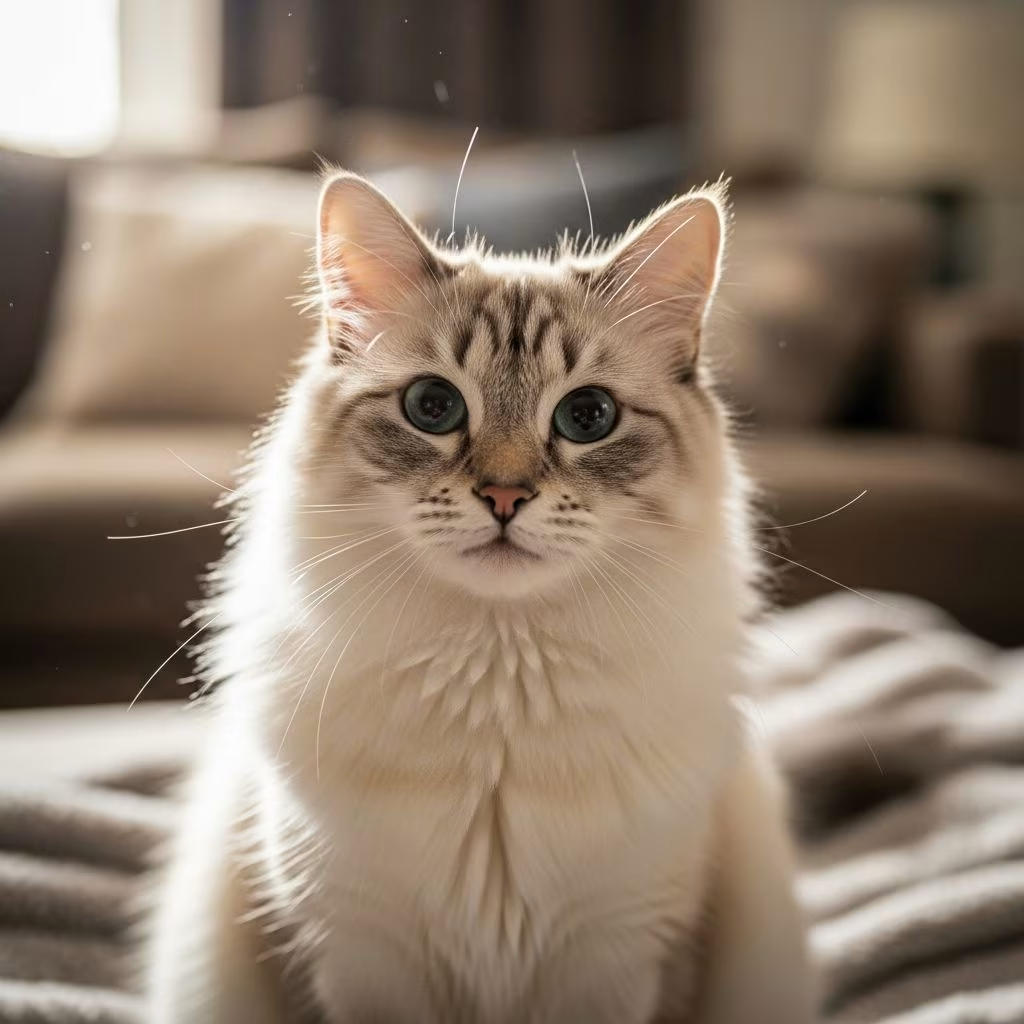
Cat allergies affect millions worldwide, sparking hope for truly hypoallergenic breeds. However, scientific consensus reveals no cat is completely allergen-free, as all produce Fel d 1, the primary allergen. This article examines the science, popular myths, purported low-allergen breeds, and effective strategies for allergy sufferers to enjoy feline companionship.
What Causes Cat Allergies?
Cat allergies stem from proteins called allergens, primarily **Fel d 1**, produced in salivary, sebaceous, and anal glands. Cats spread these via licking fur, shedding dander, and skin flakes—not hair itself. Fel d 1 triggers IgE-mediated reactions like sneezing, itching, and asthma in up to 95% of sensitized individuals. Contrary to myths, hairless cats like Sphynx still produce and distribute Fel d 1 through saliva and skin.
Individual variation is key: Fel d 1 levels differ by genetics, sex (intact males highest), neuter status, and age, but no factor eliminates production. A study found hypoallergenic-labeled cats secrete less Fel d 1 to fur, showing weaker IgE binding, yet all produce it.
The Science Behind Hypoallergenic Claims
Research debunks fully hypoallergenic cats. A PMC review states no scientific evidence supports hypoallergenic cats, dogs, or horses; molecular analyses show high individual allergen variation across breeds. Purina Institute confirms all cats produce Fel d 1, varying by individual, not breed universally.
One study on ‘hypoallergenic’ cats (n=8) vs. normal (n=6) measured lower Fel d 1 on face/chest fur and saliva, with reduced IgE reactivity under non-reducing conditions. Monoclonal antibodies detected fewer bands in hypo cats, suggesting lower distribution, positioning them as alternatives for atopics. Yet, broader reviews note targeted Fel d 1 blocking shows promise but requires larger trials.
| Factor | Influence on Fel d 1 | Source |
|---|---|---|
| Genetics | Controls production; varies individually | |
| Sex/Neuter Status | Intact males highest; neutering lowers | |
| Breed | Some variation, but all produce | |
| Hair Length/Color | No influence | |
| Age | Possibly lower in older cats |
Popular ‘Hypoallergenic’ Cat Breeds
Breeds marketed as hypoallergenic often have lower Fel d 1 or less shedding, but evidence is anecdotal or limited. Here’s a breakdown:
- Siberian: Lowest Fel d 1 among breeds; 20-30% allergy-free owners report success. Thick coat traps allergens, but individuals vary.
- Balinese/J Balinese: Long-haired Siamese relatives; some produce less Fel d 1 due to genetics.
- Sphynx: Hairless, but oily skin/saliva spreads Fel d 1 heavily; requires frequent baths.
- Devon Rex/Cornish Rex: Curly, short coats shed less dander; still produce Fel d 1.
- Bengal/Oriental Shorthair: Active grooming disperses less; anecdotal low-allergen claims.
- Russian Blue: Dense double coat; low shedding reported.
Anecdotes vary: Siberian breeders cite client success, but one vet notes Burmese trigger symptoms despite lists. Test exposure before adoption.
Do Any Cats Produce No Allergens?
No. All cats produce Fel d 1; ‘hypoallergenic’ means potentially lower reactivity for some. Hairless breeds aren’t exempt, as allergens stick to skin/oil. Genetic tests screen low producers, but no allergen-free exists. Experimental Fel d 1-neutralizing diets show promise, reducing salivary levels.
Tips for Allergy Sufferers
Minimize exposure:
- Choose wisely: Select females, neutered, Siberian/Russian Blue; allergy-test via breeder visits.
- Grooming: Weekly baths reduce Fel d 1 by 84%; use allergen-control shampoos.
- Environment: HEPA filters, frequent vacuuming/washing (bedding weekly at 140°F), keep cat out of bedroom.
- Diets: Purina LiveClear reduces Fel d 1 in saliva by 47% after 3 weeks.
- Health: Manage allergies with antihistamines, immunotherapy; monitor symptoms.
Studies show tolerance induction possible via gradual exposure, akin to food allergies.
Allergy Testing and Diagnosis
Skin prick or blood tests confirm cat allergy via Fel d 1 IgE. Consult allergists for severity assessment; some tolerate specific cats despite positives.
Alternatives to Traditional Cats
- Low-shedding breeds.
- Fel d 1-blocking tech (diets, wipes).
- Robotic pets or hypo dogs (e.g., Poodle), though similar issues.
Frequently Asked Questions (FAQs)
What is Fel d 1 and why is it problematic?
Fel d 1 is the major cat allergen from glands, spread via saliva to fur/dander, causing 80-95% of reactions.
Are Sphynx cats hypoallergenic?
No, they produce Fel d 1 via skin/saliva; baths help but don’t eliminate.
Can neutering reduce allergens?
Yes, lowers Fel d 1 in males significantly.
Is there a truly allergen-free cat?
No scientific evidence; all produce Fel d 1.
How to live with cat allergies?
Use HEPA, bathe cat weekly, allergen diets, avoid bedroom.
Do Siberian cats work for everyone?
Some yes, due to lower Fel d 1; test individually.
(Word count: 1678)
References
- Determination of major cat allergen Fel d 1 production in normal and hypoallergenic cats — Kaiser L et al. 2014-07-25. https://pmc.ncbi.nlm.nih.gov/articles/PMC4072467/
- Hypoallergenic animals: A promise of hope for allergic patients? — Pfaar O et al. 2024-03-15. https://pmc.ncbi.nlm.nih.gov/articles/PMC10975736/
- Neutralizing Allergens – Fact vs Fiction — Purina Institute. 2023-10-01. https://www.purinainstitute.com/science-of-nutrition/neutralizing-allergens/fact-vs-fiction
- The Truth About Hypoallergenic Pets and How to Reduce Pet Allergens — Animal Medical Center New York. 2024-04-03. https://www.amcny.org/blog/2024/04/03/the-truth-about-hypoallergenic-pets-and-how-to-reduce-pet-allergens/



