

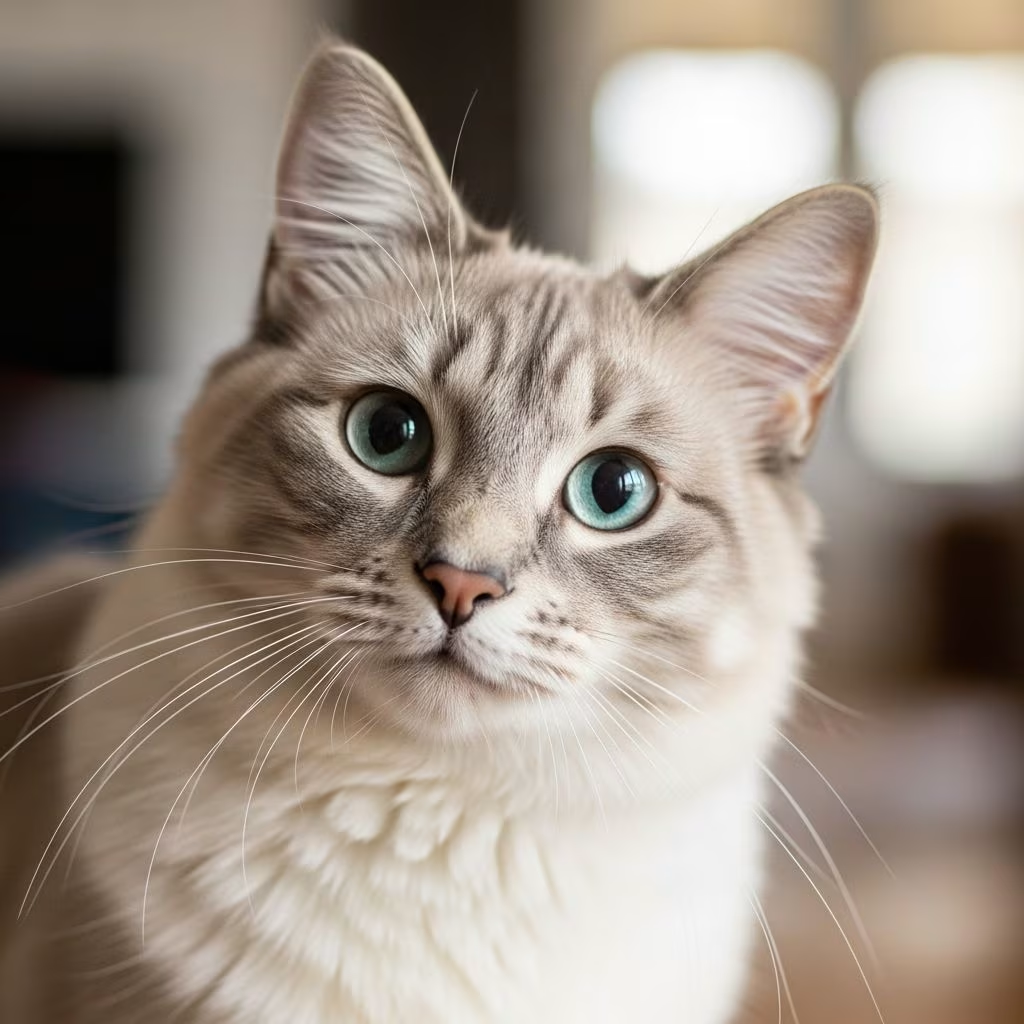
The dream of owning a cat without the sneezing, itchy eyes, or runny nose is common among allergy sufferers. But do hypoallergenic cats truly exist? The short answer is no—no cat breed is completely hypoallergenic. However, certain breeds produce fewer allergens, making them more tolerable for many people with mild to moderate cat allergies. This comprehensive guide dives into the science of cat allergies, profiles top low-allergen breeds, and offers practical advice to help you decide if cat ownership is possible despite your sensitivities.
What Causes Cat Allergies?
Cat allergies stem primarily from a protein called **Fel d 1**, secreted by cats in their saliva, skin glands, and urine. When cats groom themselves, Fel d 1 spreads to their fur and dander (dead skin flakes), which then becomes airborne or sticks to surfaces. Inhaling or touching these particles triggers immune responses like histamine release, leading to symptoms such as sneezing, congestion, watery eyes, skin rashes, and asthma flare-ups in severe cases.
Importantly, a cat’s hair length or shedding amount isn’t the direct culprit—it’s the Fel d 1 protein. Long-haired cats can be less allergenic if they produce minimal Fel d 1, while some short-haired breeds exacerbate allergies due to higher protein levels. Other allergens include Fel d 4 (from urine) and cat hair itself, but Fel d 1 accounts for 60-90% of reactions. Understanding this helps explain why some ‘hypoallergenic’ breeds work better for allergies.
Are There Truly Hypoallergenic Cats?
No cat is 100% hypoallergenic because all produce some Fel d 1, but some breeds naturally produce less of it, shed minimally, or have coats that trap allergens better. Genetic variations mean about 15-20% of cats produce very low Fel d 1 levels, often found in specific breeds. Hairless breeds reduce dander spread, while low-shedders limit airborne particles. Testing via skin prick or blood tests confirms individual sensitivity, as reactions vary widely.
Myth-busting: ‘Hypoallergenic’ labels are marketing terms, not scientific guarantees. The term means ‘low-allergen’ rather than ‘allergy-free.’ Even ‘hypoallergenic’ cats may trigger mild symptoms, but many owners report success with proper management.
Top Hypoallergenic Cat Breeds
Here are 12 breeds frequently recommended for allergy sufferers, based on low Fel d 1 production, minimal shedding, or unique coat structures. Always spend time with the individual cat before adopting, as allergen levels vary.
| Breed | Coat Type | Key Hypoallergenic Trait | Temperament | Grooming Needs |
|---|---|---|---|---|
| Siberian | Long, thick | Low Fel d 1 (up to 50% less) | Affectionate, playful | Weekly brushing |
| Balinese | Long, silky | Low Fel d 1, minimal shedding | Social, vocal | Occasional brushing |
| Siamese | Short | Low shedding | Vocal, demanding | Minimal |
| Sphynx | Hairless/peach fuzz | No fur to trap dander | Social, energetic | Weekly baths |
| Russian Blue | Short, dense | Low Fel d 1 | Reserved, loyal | Occasional brushing |
| Oriental Shorthair | Short, fine | Low dander | Playful, social | Minimal |
| Bengal | Short, spotted | Low maintenance, less grooming | Energetic, confident | Minimal |
| Cornish Rex | Curly, short | Minimal dander/shedding | Active, affectionate | Minimal |
| Colorpoint Shorthair | Short | Low shedding | Social, intelligent | Minimal |
| Tonkinese | Short | Low shedding | Playful, outgoing | Minimal |
| Burmese | Short, glossy | Low shedding | Friendly, social | Minimal |
| Bambino | Hairless/short | No fur | Playful, curious | Baths needed |
Siberian Cats
Despite their fluffy triple coat, Siberians produce significantly less Fel d 1, making them a top choice. They’re large (10-20 lbs), affectionate, and dog-like, thriving with families. Brush weekly to manage loose fur.
Balinese Cats
Long-haired Siamese relatives with silky coats and no undercoat. Low Fel d 1 producers, they’re vocal, intelligent, and loving. Minimal grooming keeps allergens low.
Siamese and Colorpoint Shorthair
Short-haired with minimal shedding. Siamese are talkative and people-oriented; Colorpoints share similar traits with varied colors. Ideal for active homes.
Sphynx Cats
Hairless wonders that don’t shed fur but need weekly baths to remove skin oils. Warm, wrinkly, and highly social, they’re low on airborne allergens.
Russian Blue
Short, plush blue-gray coat with low Fel d 1. Shy but devoted, low-maintenance, and quiet—perfect for apartments.
Other Notable Breeds
- Oriental Shorthair: Sleek, low-dander coat; curious and vocal.
- Bengal: Spotted, short-haired; energetic and low-groom.
- Cornish Rex: Curly undercoat only; playful and minimal shed.
- Tonkinese: Siamese-Burmese mix; lively, low-shed.
How to Live with a Cat When You Have Allergies
Even low-allergen breeds require management:
- Regular Grooming: Brush 2-3 times weekly with a damp cloth or HEPA-filter brush to trap dander.
- Home Cleaning: Vacuum daily with HEPA filters; wash bedding weekly in hot water.
- Air Purification: Use HEPA air purifiers in key rooms to capture 99.97% of particles.
- Bathe Cats: Monthly baths with allergen-reducing shampoo reduce Fel d 1 by up to 84% temporarily.
- Environmental Controls: Keep cats out of bedrooms; use allergen-proof covers.
- Medications: Antihistamines, nasal sprays, or immunotherapy for severe cases.
Test exposure gradually: Spend 30-60 minutes with a cat multiple times. Consult an allergist for personalized advice.
Frequently Asked Questions (FAQs)
What is the most hypoallergenic cat breed?
Siberians top lists due to naturally low Fel d 1, despite long fur. Sphynx follows for zero shedding.
Can I make my cat hypoallergenic?
Products like Allerpet wipes or anti-Fel d 1 antibodies (e.g., Purina’s LiveClear food) reduce allergens by 30-50%, but not eliminate them.
Are female cats less allergenic?
Males produce more Fel d 1, especially unneutered ones. Neutering helps, but breed matters more.
Do kittens cause fewer allergies?
Kittens produce less initially, but levels rise with age. Early exposure testing is key.
What’s the difference between hypoallergenic and non-shedding?
Non-shedding reduces dander spread but not Fel d 1. Hypoallergenic focuses on protein levels.
While no cat is fully hypoallergenic, low-allergen breeds and smart strategies make cohabitation feasible for millions. Research breeders, visit catteries, and prioritize your health— the right cat could transform your home without the sniffles.
References
- Best Hypoallergenic Cats — TruSens Wellness. 2023. https://www.trusens.com/news/blog/best-hypoallergenic-cats/
- 7 Hypoallergenic Cats for People with Allergies — MVA Vets. 2024. https://mvavets.com/blog/hypoallergenic-cats/
- 12 ‘Hypoallergenic’ Cats for People With Allergies — PetMD. 2024-01-15. https://www.petmd.com/cat/general-health/hypoallergenic-cat-breeds
- 13 Hypoallergenic Cats for People With Allergies — Chewy. 2024. https://www.chewy.com/education/cat/general/hypoallergenic-cats-for-people-with-allergies
- 17 ‘Hypoallergenic’ Cats to Keep Your Sneezing at Bay — HowStuffWorks. 2023. https://animals.howstuffworks.com/pets/hypoallergenic-cats.htm



