

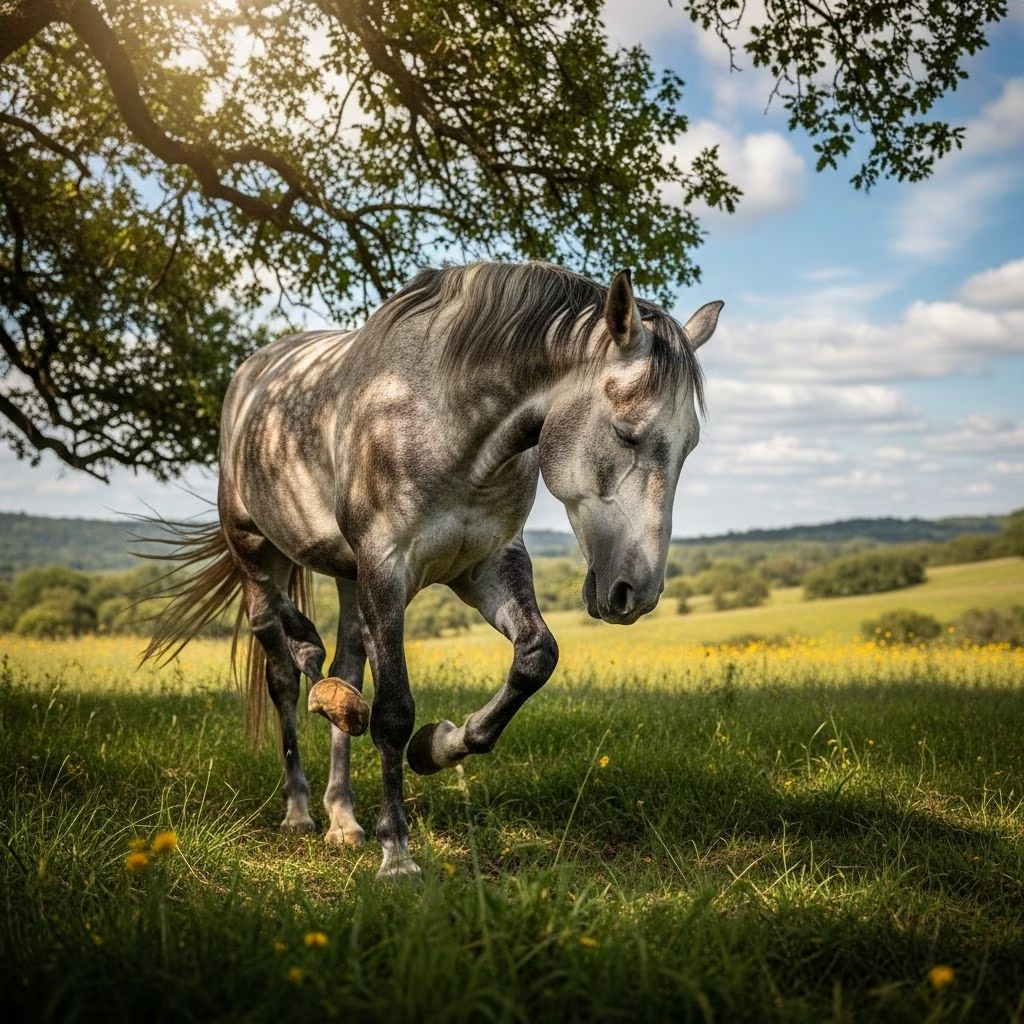
Do Horses Sleep Standing Up?
Like humans, horses require sleep to remain healthy, but horses spend more time dozing while standing than lying down to sleep as people do. This unique sleeping behavior has fascinated horse owners and researchers for centuries. The answer to whether horses sleep standing up is yes, but there’s much more to understand about their complete sleep cycles and requirements.
Can Horses Sleep Standing Up?
Horses possess a remarkable anatomical feature that enables them to sleep while standing. If you’ve ever caught a horse dozing while standing, you might wonder how this is possible. The answer lies in a specialized biological mechanism that sets horses apart from many other mammals.
Horses’ legs have a “stay apparatus,” which is a group of tendons and ligaments in the front and back legs that act like a tension band. This ability mainly allows the horse to “lock” their limbs in the standing position without having to actively use skeletal muscles to hold themselves up. This innovative system means horses can rest comfortably while remaining on their feet, a critical adaptation for prey animals in the wild.
Understanding the Stay Apparatus
The stay apparatus is one of the most fascinating features of equine anatomy. This specialized system of tendons and ligaments stabilizes the major joints in both the forelimbs and hindlimbs, allowing horses to doze while standing with little effort. The mechanism works by essentially locking the joints in place, creating a stable structure that doesn’t require continuous muscular effort.
The stay apparatus is particularly important in the hind legs, where a unique anatomical mechanism exists. The horse’s patella, or kneecap, located in the stifle joint can pop out of place and lock the hind limb in a standing position when dozing while standing. When the stay apparatus locks in place, it typically locks only one hind leg while the other hind limb remains relaxed. Horses often appear to be leaning on one hip during these rest periods, and they naturally rotate which leg bears weight, ensuring all their legs get adequate rest.
Given that a horse can weigh more than 500kg, their legs definitely need regular breaks. The stay apparatus allows this weight distribution across locked joints without exhausting the muscles, making standing rest both efficient and physiologically sound.
Equine Sleep Patterns and Stages
While many people need continuous hours of uninterrupted sleep each day, horses follow a completely different sleep pattern. They are known as polyphasic sleepers who take short naps throughout the day with most of their sleep concentrated at night. This sleep pattern reflects their evolutionary history as prey animals that needed to remain vigilant.
Sleep cycles in horses can be broken down into distinct stages:
Wakefulness
A full sleep cycle includes periods where the horse is awakened and alert to their surroundings.
Drowsiness or Light Sleep
This stage typically occurs just before deeper sleep stages and represents a transition period.
Non-Rapid Eye Movement (NREM) Sleep
Also known as slow wave sleep, this is a state of deep rest where a horse’s brain waves significantly slow down. Horses can enter NREM sleep while standing up or lying down in sternal recumbency, which means lying with their legs tucked underneath them but not fully flat out.
Rapid Eye Movement (REM) Sleep
Characterized by quick, irregular brain waves that are similar to when a horse is awake, along with rapid back-and-forth eye movements, REM sleep can only take place when a horse is lying down on their side. Even though all their muscles become completely relaxed during this stage, you may see some twitches in the ears, skin, nostrils, eyelids, and legs.
How Much Sleep Do Horses Need?
Adult horses generally need 5-7 hours of sleep per day. Most of this—over 75%—can be NREM sleep while standing up. However, horses need about 30 minutes of that time to be REM sleep, which can only happen while lying down. This relatively short amount of REM sleep is required every day.
If your horse doesn’t get adequate REM sleep, they may become sleep deprived, narcoleptic, or suffer other health consequences. Some horses are able to delay when they get REM sleep for several days without serious health effects, however, classic signs of sleep deprivation like collapsing may begin to show.
It’s worth noting that young horses and foals can sleep lying down for longer periods than adults, but they also weigh far less, so their bodies don’t experience the same physiological stress from extended recumbency.
Why Do Horses Sleep Standing Up?
There are several interconnected reasons why horses have evolved to sleep standing up:
Predator Avoidance and Survival
Horses are prey animals and sleeping standing up is one way in which they’ve adapted to the threat of predators. This survival mechanism allows them to remain somewhat alert and ready to quickly flee from predators without the delay and effort of getting up from the ground. When horses first evolved in open plains, being able to rest or sleep standing up meant they could get their rest, but if they saw a predator, they could quickly run away. The early horses that ran the fastest were more likely to survive, creating strong evolutionary pressure for this adaptation. Other equids, like donkeys and zebras, are also able to sleep standing up for the same reasons.
Physical Considerations
Another significant reason why horses sleep standing up has to do with their large body size and weight. Lying down for too long can interfere with blood flow and their substantial weight can put stress on internal organs and nerves. Although adult horses do sleep lying down, they only do so for short periods, typically less than an hour. This is why the stay apparatus is such an evolutionary advantage—it allows horses to rest without the physiological consequences of prolonged recumbency.
How Horses Sleep: Positions and Behaviors
When horses lie down to sleep, they do so in one of two positions. During slow-wave sleep (SWS), they usually curl their legs under their bodies and may or may not rest their muzzle on the ground. In REM sleep, they often lay flat on their side with their neck and head on the ground.
Horses typically only lie down when they feel safe and secure and not at risk of falling prey to a predator. The transition from standing to lying down requires considerable effort and leaves them vulnerable, which is why they reserve this position for when they feel protected or are in a secure environment like a familiar pasture or stall.
The Role of Herd Mentality in Horse Sleep
Horses naturally belong in a herd, and the absence of that social dynamic can affect their sleep significantly. A herd—whether in the wild, out to pasture, or seeing each other through stall dividers—may have some horses lying down sleeping or resting while one or two others are standing, essentially keeping guard in case there is danger from predators. This herd mentality provides security that allows some members to engage in deeper sleep while others remain alert.
If your horse is the only equine or animal on the property, they don’t have anyone standing guard for them while sleeping, and this can cause them to be sleep deprived. This is an important consideration for horse owners, as social contact and visual connection with other horses can significantly improve sleep quality and duration.
Physical Discomfort and Sleep Issues
Conditions that cause pain, like arthritis or laminitis, may prevent a horse from lying down due to the potential effort and discomfort of standing back up. Many senior horses with joint discomfort will avoid lying down for this reason and therefore become deprived of REM sleep. This can create a concerning cycle where pain prevents the deep sleep necessary for recovery and healing.
If you notice your horse isn’t lying down to sleep, it may be smart to call your veterinarian so they can examine your horse and diagnose any pain or discomfort. They may be able to prescribe medications or discuss other treatments, including supplements, to address the source of discomfort and restore normal sleep patterns.
Frequently Asked Questions About Horse Sleep
Q: Why do horses sleep standing up?
A: As prey animals, horses must be able to respond quickly to a threat. Standing up to sleep allows them to rest and recover physically while maintaining their ability to respond quickly if they are in danger. This survival mechanism developed over millions of years of evolution in open environments.
Q: How long can horses sleep standing up?
A: Horses are polyphasic sleepers, meaning they sleep for short periods of time throughout the day and night. Research into equine sleep habits is relatively new and there is still much to learn about horse sleep cycles. Generally, horses may doze standing for 15-30 minute intervals multiple times daily.
Q: How do horses not fall over when sleeping?
A: Horses have a group of tendons and ligaments called the stay apparatus, which enables them to sleep while standing with little muscular effort. This anatomical feature locks their leg joints in place, creating a stable platform that doesn’t require active muscle engagement.
Q: How do horses lay down?
A: When horses lie down to sleep, they do so in one of two positions. During slow-wave sleep (SWS), they usually curl their legs under their bodies and may or may not rest their muzzle on the ground. In REM sleep, they often lay flat on their side with their neck and head on the ground.
Q: Do all horses sleep standing up?
A: Yes, all healthy horses can sleep standing up thanks to their stay apparatus. However, they also need to lie down for REM sleep. Horses with joint pain or other health conditions may have difficulty lying down and standing back up, which can affect their sleep patterns.
Q: What happens if a horse doesn’t get enough REM sleep?
A: If a horse doesn’t get adequate REM sleep over extended periods, they may become sleep deprived, develop narcolepsy, or experience other serious health consequences. This is why ensuring horses have safe spaces to lie down is essential for their overall health and wellbeing.
Supporting Your Horse’s Sleep Health
To ensure your horse gets adequate and quality sleep, provide a safe environment where they can both stand and lie down comfortably. Consider their social needs by housing them where they can see and interact with other horses when possible. Monitor their behavior for signs of sleep deprivation, such as excessive drowsiness while standing, stumbling, or unusual irritability. If you notice changes in your horse’s sleep patterns or suspect pain might be affecting their rest, consult with your veterinarian promptly.
Understanding that horses have evolved unique sleeping behaviors that differ significantly from humans helps horse owners appreciate and support their animals’ natural needs. The combination of standing rest through the stay apparatus and occasional recumbent sleep provides horses with the physiological balance they need to remain healthy, alert, and capable of responding to their environment.
References
- Why Do Horses Sleep Standing Up? — Britannica. Accessed November 28, 2025. https://www.britannica.com/story/why-do-horses-sleep-standing-up
- Understanding How Horses Sleep Standing Up vs Laying Down — SmartPak Equine. Accessed November 28, 2025. https://www.smartpakequine.com/learn-health/how-horses-sleep
- Why don’t horses sit or lie down even while sleeping? — University of Adelaide. May 8, 2019. https://set.adelaide.edu.au/news/list/2019/05/08/why-dont-horses-sit-or-lie-down-even-while-sleeping
- Do Horses Sleep Standing Up? — Chewy. Accessed November 28, 2025. https://www.chewy.com/education/horse/general/do-horses-sleep-standing-up
- Why Do Horses Sleep Standing Up? — Horse & Hound. May 13, 2023. https://www.youtube.com/watch?v=-yBFr9M-gJM
- Sleep Requirements of Horses — Kentucky Equine Research. Accessed November 28, 2025. https://ker.com/equinews/sleep-requirements-horses/



