

Do Hamsters Hibernate?
Many pet owners wonder whether their hamsters hibernate during winter months. The answer is more nuanced than a simple yes or no. While wild hamsters can engage in true hibernation, domesticated hamsters generally do not. Instead, pet hamsters can enter a state called torpor, which is a temporary state of deep unconsciousness that differs significantly from true hibernation.
The Merck Veterinary Manual defines hibernation as a state of inactivity and unconsciousness, generally during the winter months. During this state, animals experience an 80–90% reduction in their basal metabolic rate (BMR), which estimates the amount of energy the animal expends at rest. Understanding the difference between hibernation and torpor is crucial for hamster owners to properly care for their pets.
A fascinating distinction exists between these two states. Environmental cues and temperatures are the major driving force behind whether a hamster enters hibernation or torpor. The length of time that passes, the degree of metabolic rate depression, and activity at the biomolecular level differentiate hibernation from torpor.
Understanding Hibernation vs. Torpor
To properly care for your hamster, it’s essential to understand the difference between true hibernation and torpor. These terms are sometimes used interchangeably, which can cause confusion among pet owners.
True Hibernation
True hibernation, also called obligatory hibernation, occurs when certain animal species become fat during the summer months and then hibernate during winter months. This is a predictable, seasonal event for animals that are biologically adapted to it. During true hibernation, animals spend months building up fat reserves in their bodies. Once the colder months arrive, they go into hibernation where their activity levels drop significantly, their metabolism slows considerably, and their fat deposits provide the fuel and water they need to sustain them through to spring.
Some hamster species, such as European hamsters or black-bellied hamsters, are true hibernators in the wild. These species have evolved specifically for this survival mechanism. However, pet hamsters in most households do not engage in true hibernation.
Torpor in Pet Hamsters
Torpor is a state of hibernation that typically only lasts a few hours or days. Both torpor and hibernation result in slowing of the heart and respiratory rates and a decrease in activity and body temperature. However, torpor is triggered by environmental conditions and is not a predictable seasonal behavior like true hibernation.
A hamster can enter torpor when their environmental conditions—commonly temperature—are poor. When a hamster enters torpor, it may only end when conditions improve. This is a critical distinction: unlike true hibernators that are biologically prepared for extended dormancy, hamsters in torpor have not built up adequate fat reserves for prolonged inactivity.
When Do Hamsters Hibernate?
True hibernation is seasonal and predictable, while torpor is triggered by specific environmental circumstances. Hamsters do not have a specific time of year when they truly hibernate. Rather, certain circumstances may cause them to enter torpor, which is the state that pet hamster owners are most likely to encounter.
Common Triggers for Torpor
Several environmental factors can cause hamsters to enter torpor:
– Exposure to temperatures under 65 degrees Fahrenheit (the most common cause of hamster torpor)- Fewer hours of light exposure- Food restriction or limited food availability- Sudden environmental changes
Pet hamsters housed near areas with drafts may be more at risk of entering torpor. Windows, doors, and other areas prone to temperature fluctuations can expose your hamster to cold conditions. It’s important to place your hamster’s enclosure in an appropriate area of the house, away from doors or windows that might expose them to drafts and temperature drops.
By entering torpor, hamsters slow down their metabolism to conserve their energy. This is a survival mechanism, but in pet hamsters, it’s generally not a necessary or healthy state, as domestic hamsters are no longer adapted to show true hibernation. The artificial warmth and heating in a home means that their living conditions are much less variable than their wild ancestors experienced.
How Long Do Hamsters Hibernate?
The duration of hibernation or torpor varies significantly depending on whether the hamster is in true hibernation or torpor, and which hamster species you own.
Torpor Duration
Torpor can occur for short periods of time, sometimes lasting only through the day or night depending on the hamster’s feeding pattern. Cold-weather torpor can last for days or weeks if conditions remain poor. Hamsters typically hibernate for three to four days in the wild, though this can vary.
Female hamsters generally enter torpor for shorter periods than male hamsters do. This biological difference means that female hamsters may be somewhat more resilient to temporary cold exposure than their male counterparts.
Domestic Hamster Emergency Hibernation
Domestic hamsters are no longer adapted to show true hibernation because the artificial warmth and heating in a home means that their living conditions are much less variable. However, they can perform a sort of short-term emergency hibernation when conditions are unexpectedly harsh for them. This emergency state is still torpor, not true hibernation.
Hamsters will start to come out of a torpor state when they are exposed to warmer, ideal temperatures. Hamsters typically are comfortable in environments between 65–75 degrees Fahrenheit. Maintaining this temperature range is crucial for preventing unwanted torpor episodes.
How Can I Tell If My Hamster Is Hibernating?
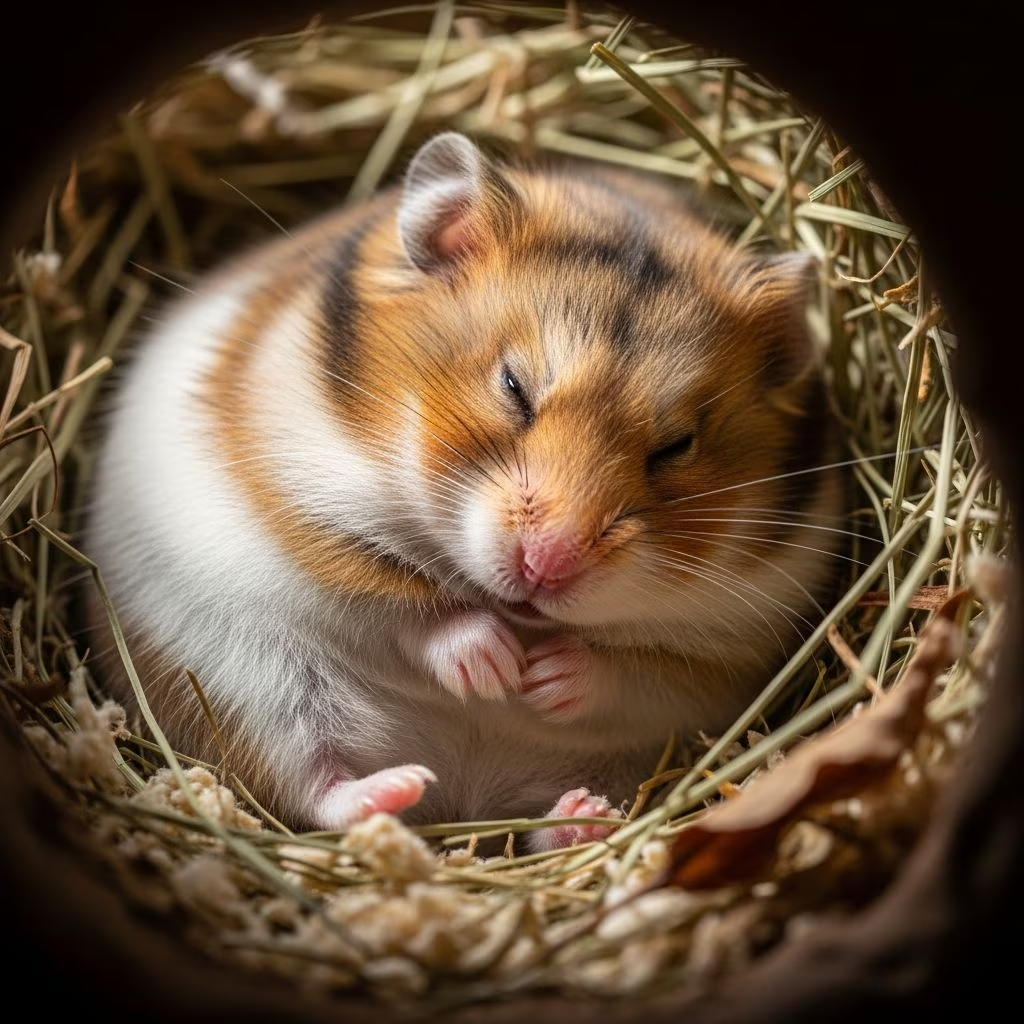
Recognizing the signs of hibernation or torpor in hamsters is crucial for ensuring they are healthy and not suffering from other ailments or distress. Hibernating hamsters look like they’re in a deep sleep, sometimes even making pet parents believe they have died.
Signs of Torpor
Signs that a hamster is in a state of torpor include:
– Low heart rate- Low body temperature- Slowed breathing- Significantly reduced activity levels- Curled-up position- Feeling cooler to the touch- Minimal responsiveness to external stimuli or handling- Unresponsiveness in cases of deep torpor
Hibernating hamsters will feel cold and have minimal heart and respiratory rates. Unlike a hamster in normal deep sleep, a hamster in torpor may be less responsive to external stimuli. If you notice these signs, it’s important to keep a close eye on your pet and ensure they are safe and not in distress.
Which Hamster Species Hibernate?
Not all hamster species have the same hibernation capabilities. Understanding your specific hamster species is important for proper care.
True Hibernators
European hamsters are the only true hibernators of the hamster world and will typically hibernate through the winter in a very predictable pattern. These wild hamsters are considered true hibernators because they have evolved specifically for this survival mechanism.
Species That May Enter Torpor
Syrian hamsters are known to enter torpor in certain environmental conditions, though they are not true hibernators. Dwarf hamsters generally do not hibernate and typically do not enter torpor. However, dwarf hamsters can enter torpor if they’re exposed to excessively cold temperatures. Always keep dwarf hamsters in a warm, stable environment to avoid any torpor episodes.
The Dangers of Prolonged Torpor
While short-term torpor may not be immediately dangerous, extended torpor can result in serious health consequences for your pet hamster. Hamsters in torpor will not have spent months building up fat deposits in readiness for harsh conditions, so their limited fat stores can only provide for them for a short time.
If torpor lasts for too long, hamsters may die from dehydration and lack of energy, finally succumbing to the cold. This is why maintaining proper environmental conditions is so critical for pet hamster health. Extended torpor could result in death of the hamster due to dehydration or hypothermia.
Preventing Hibernation and Torpor in Pet Hamsters
Pet hamster owners can take several steps to prevent their hamsters from entering torpor:
– Maintain proper temperature: Keep your hamster’s environment between 65–75 degrees Fahrenheit- Provide adequate lighting: Ensure your hamster receives sufficient daylight or artificial lighting (at least 12 hours of light per day)- Offer consistent food supply: Always ensure your hamster has access to fresh food and water- Choose appropriate location: Place the hamster enclosure away from drafts, windows, and doors- Provide bedding and hideouts: Ensure your hamster has plenty of beds and hideouts to stay warm and comfortable- Monitor environmental changes: Be aware of seasonal temperature changes and heating system adjustments
Frequently Asked Questions About Hamster Hibernation
Q: Do dwarf hamsters hibernate?
A: Dwarf hamsters generally do not hibernate. However, they can enter torpor if they’re exposed to excessively cold temperatures. Always keep them in a warm, stable environment between 65–75 degrees Fahrenheit to avoid torpor episodes.
Q: How long do hamsters sleep?
A: Most hamsters sleep 12–14 hours a day, mainly during daylight hours. This is normal sleep, not hibernation or torpor.
Q: Do Syrian hamsters hibernate?
A: Syrian hamsters are known to enter torpor in certain environmental conditions, particularly when exposed to cold temperatures, reduced lighting, or food scarcity. However, they do not engage in true hibernation like European hamsters.
Q: What should I do if my hamster appears to be hibernating?
A: If your hamster shows signs of torpor, gradually warm their environment and provide food and water. Contact your veterinarian if torpor persists for more than a few days, as extended torpor can be life-threatening.
Q: Is hibernation normal for pet hamsters?
A: No, hibernation is not normal for pet hamsters. While they may enter torpor under poor environmental conditions, domestic hamsters are not biologically adapted for true hibernation and should not be allowed to enter this state.
Q: Can I wake my hamster if it’s hibernating?
A: If your hamster is in torpor, gradual warming of the environment is preferable to sudden awakening. Sudden temperature changes can shock the hamster’s system. Consult your veterinarian for guidance on safely helping your hamster emerge from torpor.
References
- Hamster Hibernation and Torpor — Vets 4 Pets. Accessed 2025-11-28. https://www.vets4pets.com/pet-health-advice/small-pet-advice/hamster-hibernation/
- Do Hamsters Hibernate? — PetMD. Accessed 2025-11-28. https://www.petmd.com/exotic/do-hamsters-hibernate
- Merck Veterinary Manual — Merck & Co., Inc. Accessed 2025-11-28. Referenced for hibernation definition and metabolic rate information.
- How Long Do Hamsters Hibernate For? — Animal Family Veterinary Care. Accessed 2025-11-28. https://animalfamilyveterinarycare.com/blog/how-long-do-hamsters-hibernate-for/
- Do Hamsters Hibernate? Understanding Torpor and Winter Care — Great Field Small Animal Rescue. Accessed 2025-11-28. https://www.greatfieldsmallanimalrescue.co.uk/do-hamsters-hibernate-understanding-torpor-and-winter-care/



