

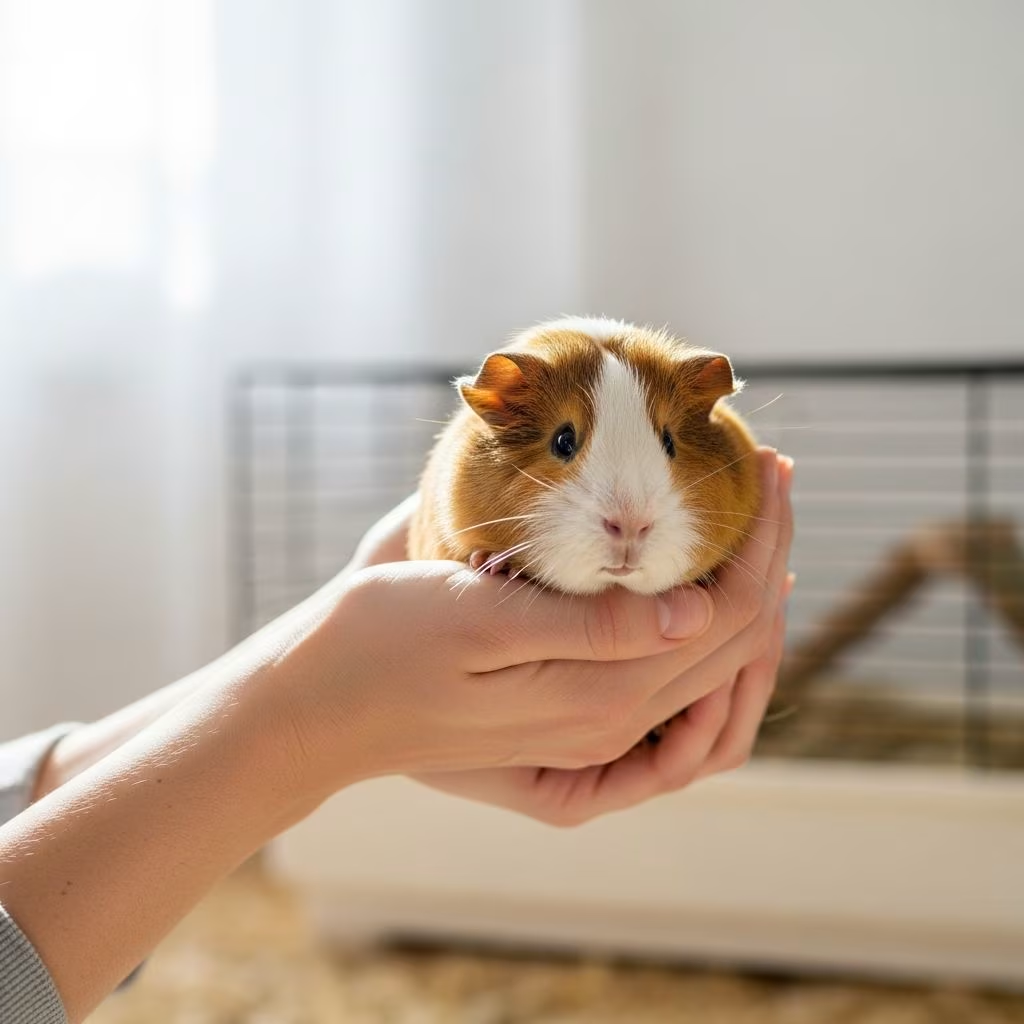
Do Guinea Pigs Like to Be Held? How To Pick Up Your Pig
Guinea pigs are beloved small pets known for their gentle nature and charming personalities. Many prospective and current guinea pig owners wonder whether these adorable creatures actually enjoy being held. The answer is nuanced: some guinea pigs genuinely enjoy the physical contact and companionship that comes with being held, while others prefer to interact with their owners in different ways. Understanding your individual guinea pig’s preferences and learning proper handling techniques is essential for creating a positive relationship with your pet and ensuring their physical and emotional wellbeing.
Do Guinea Pigs Enjoy Being Held?
Not all guinea pigs have the same preferences when it comes to physical handling. While guinea pigs can develop affectionate bonds with their human caregivers, their comfort level with being held varies significantly from one individual to another. Several factors influence whether a guinea pig will enjoy being held, including their personality, early socialization experiences, and the quality of their interactions with humans.
Guinea pigs that have been regularly handled from a young age and given consistent opportunities to bond with their owners tend to become more comfortable and affectionate during handling sessions. These pigs may seek out human interaction and enjoy spending time in their owner’s lap or arms. However, even well-socialized guinea pigs may have moments when they don’t want to be held, and it’s important to respect their boundaries and recognize the signs that indicate discomfort.
The foundation of a guinea pig’s comfort with handling rests on trust. When guinea pigs feel safe and secure around their owners, they are more likely to tolerate and eventually enjoy being held. Building this trust requires patience, consistency, and gentle interactions over time.
Understanding Guinea Pig Behavior
Guinea pigs are naturally prey animals, which significantly influences their behavior and how they respond to handling. In the wild, their survival depends on remaining vigilant for potential threats and being ready to escape danger at a moment’s notice. This instinctive prey mentality means that guinea pigs are inherently nervous and cautious animals, even when raised in captivity.
Because guinea pigs rely on escape mechanisms rather than defensive behaviors, being picked up and held represents an abnormal situation for them. When a guinea pig is lifted off the ground, they lose their ability to flee from perceived threats, which can trigger anxiety. Understanding this fundamental aspect of guinea pig psychology helps owners approach their pets with realistic expectations and greater empathy.
Additionally, guinea pigs are highly social animals that form close bonds with other guinea pigs in their social groups. This social nature can extend to their relationships with humans when proper socialization occurs, but their primary comfort comes from being with other guinea pigs rather than from human contact alone.
Key Takeaways About Guinea Pig Holding
- Not all guinea pigs enjoy being held—individual personality and socialization play significant roles in their comfort level
- Building trust through gentle handling, hand feeding, and patience helps guinea pigs become more comfortable with physical contact
- Squirming, hiding, running away, or vocalizing are clear signs that your guinea pig doesn’t want to be picked up
- Always support their body properly, keep them close to the ground in case they fall, and never hold them upside down
- Regular, positive interactions can gradually help a guinea pig become more accepting of handling over time
Five Signs Your Guinea Pig Doesn’t Want to Be Held
Guinea pigs communicate their comfort level through body language, vocalizations, and behavior. Learning to recognize these signals is crucial for respecting your pet’s boundaries and preventing unnecessary stress or injury. The following signs indicate that your guinea pig does not want to be held at that moment:
1. Running Away or Attempting to Escape
When your guinea pig sees you approaching with the intention to pick them up, if they immediately run away or dash to a hiding place, they are clearly indicating they don’t want to be held. This escape response is their natural predator-avoidance behavior in action. Pursuing a fleeing guinea pig will only increase their anxiety and damage the trust you’ve been building.
2. Hiding Behavior
If your guinea pig consistently hides when you approach or attempt to handle them, this is a clear message that they need space and feel unsafe. A guinea pig that retreats to their hiding spots is expressing that they don’t feel comfortable with human contact at that particular time. Respecting this boundary is important for maintaining their emotional wellbeing.
3. Vocalizing or Squealing
Guinea pigs have an extensive vocal range and use various sounds to communicate. Loud squealing, chattering, or other distressed vocalizations during or before handling indicate fear or discomfort. If your guinea pig squeaks loudly when handled, especially if this is new behavior and they didn’t previously respond this way, it could signal an underlying health issue such as arthritis or a mite infestation that makes handling painful.
4. Visible Tenseness
A guinea pig’s body will show physical signs of stress and tension when they’re uncomfortable. Their muscles may stiffen, their posture may become rigid, and they may freeze in place. These physical manifestations of anxiety indicate that your guinea pig is stressed and would prefer not to be held.
5. Squirming and Wriggling
While some squirming is normal during handling, excessive or frantic squirming is your guinea pig’s way of trying to escape. If your guinea pig is continuously wriggling and struggling in your arms, they are clearly expressing their desire to be put down and left alone.
How To Properly Pick Up Your Guinea Pig
Learning the correct technique for picking up your guinea pig is essential for their safety and your success in building a positive handling relationship. Improper handling can cause physical injury and psychological distress, so following these guidelines is important.
Step-by-Step Handling Instructions
Approach Calmly: Before you attempt to pick up your guinea pig, approach them slowly and calmly from the front. Avoid sudden movements or stealthy approaches, as these can startle them or trigger anxiety. Speak to them in a soft, reassuring voice to let them know you’re there and your intentions are friendly.
Support from Front and Rear: When you’re ready to lift your guinea pig, position one hand under their front paws and chest area (just behind the front legs), and place your other hand under their rear end to support their hindquarters. Guinea pigs have powerful hind legs and a heavy rear end, so proper rear support is absolutely critical.
Scoop and Cradle: Smoothly scoop your guinea pig up and bring them against your body in a protective cupping position. Ensure their entire body weight is fully and evenly supported. Your guinea pig should feel secure and supported on all sides.
Maintain Proper Grip: Keep a firm but gentle grip—do not squeeze your guinea pig. Hold them securely enough that they cannot leap out of your grasp, but gently enough that you’re not causing discomfort or restricting their breathing.
Keep Close to the Ground: When holding your guinea pig, keep them relatively close to the ground or at least above a soft surface. This precaution minimizes injury risk in case they manage to escape or jump from your arms.
Critical Handling Mistakes to Avoid
Understanding what not to do is equally important as knowing the correct techniques. Certain handling mistakes can cause serious physical injury or psychological trauma to your guinea pig and should be avoided completely.
Never Hold Guinea Pigs Upside Down or On Their Back
This is perhaps the most critical rule of guinea pig handling. Placing your guinea pig on their back triggers a maximum fear response because their instincts tell them this position indicates they are about to be eaten by a predator. Being flipped onto their back can cause severe spinal damage and may even trigger a heart attack due to extreme stress. Additionally, the vulnerable soft underbelly, which predators target, is fully exposed in this position, intensifying the guinea pig’s terror.
Never Grasp the Abdomen
Never pick up or hold your guinea pig by grasping them around the middle of their body or abdomen. This area is soft, delicate, and vulnerable to damage. Gripping this region can cause internal injuries and severe pain.
Never Hold by the Scruff of the Neck
Unlike puppies and kittens, guinea pigs do not have a protective scruff adapted for this type of handling. Their bodies are not designed for a parent to move them by the neck, and doing so would cause severe pain and potentially damage internal organs. The scruff handling method is dangerous for guinea pigs and should never be attempted.
Avoid Unsupported Hindquarters
Guinea pigs’ bodies are rump-heavy, meaning their weight is concentrated toward their rear end. Failing to provide proper support for the hindquarters can lead to spinal injuries, especially if the guinea pig kicks their powerful hind legs while being held. Always ensure their hind feet have support and their rear end is properly cradled.
Building Trust and Comfort With Handling
If your guinea pig is not currently comfortable with being held, there are strategies you can employ to gradually build their trust and help them become more accepting of physical contact over time.
Start With Hand Feeding
One of the most effective ways to build trust is through hand feeding. Offering your guinea pig their favorite treats directly from your hand creates positive associations with your presence and touch. This non-threatening form of interaction helps your guinea pig learn that your hands bring good things.
Practice Gentle Stroking
Begin by spending time petting and stroking your guinea pig gently on their head and back while they’re in their familiar environment. This low-pressure interaction allows them to become accustomed to your touch without the stress of being lifted or held.
Use Positive Reinforcement
When you do handle your guinea pig, associate the experience with positive outcomes. Offer treats, gentle praise, and soft strokes. If your guinea pig becomes stressed during handling, lower yourself to the ground to reduce the height from which they might fall, but resist putting them down immediately every time they squirm. If you reward their wiggling by immediately returning them to their cage, they’ll learn that struggling is an effective escape strategy.
Be Patient and Consistent
Building trust takes time. Consistent, gentle interactions will gradually help your guinea pig become more comfortable with handling. Sessions don’t need to be long—even brief, positive interactions are more valuable than lengthy sessions that stress your pet.
Respect Individual Preferences
Remember that some guinea pigs may never become completely comfortable with being held, and that’s acceptable. Respecting your individual guinea pig’s personality and preferences will result in a better relationship overall than forcing interactions they find distressing.
When to Seek Veterinary Attention
If your guinea pig has previously accepted handling but suddenly begins squeaking loudly during handling or runs away when they didn’t before, this behavioral change warrants investigation. Sudden changes in handling tolerance often indicate an underlying health problem causing pain. Conditions such as arthritis, mite infestations, or other painful conditions can make handling uncomfortable or painful for your guinea pig. A visit to an exotic veterinarian can help identify and address any medical issues affecting your guinea pig’s comfort level.
Creating a Safe Handling Environment
The environment in which you handle your guinea pig significantly impacts their comfort and safety. Always handle your guinea pig in a safe, quiet space away from loud noises, other pets, and distractions. Ensure the area is clean and free from hazards. Many guinea pig owners prefer to handle their pets while seated, which reduces both the distance to the ground and the guinea pig’s anxiety about falling. Supervise any interactions with children, as young children may not yet have the dexterity and strength control necessary for safe guinea pig handling.
The Role of Socialization
Early socialization plays a crucial role in determining whether a guinea pig will be comfortable with handling throughout their life. Guinea pigs that have been regularly handled starting from a young age, in a positive and gentle manner, are significantly more likely to tolerate and enjoy human contact as adults. However, even guinea pigs that didn’t receive adequate early handling can improve their comfort level with consistent, patient, and positive interactions.
Frequently Asked Questions
Q: Is it normal for guinea pigs to not like being held?
A: Yes, it’s completely normal. Guinea pigs are prey animals by nature, and some individuals simply prefer not to be held. As long as you provide regular positive interactions and opportunities for bonding, your guinea pig can have a great relationship with you without enjoying being held.
Q: How long should I hold my guinea pig each session?
A: Start with short sessions of just a few minutes and gradually increase the duration as your guinea pig becomes more comfortable. Always prioritize your guinea pig’s comfort level over session length.
Q: What should I do if my guinea pig bites me while being held?
A: Guinea pig bites are rare. If bitten, gently lower your guinea pig to the ground and give them space. A bite usually indicates extreme fear or stress. Consult with a veterinarian to rule out medical issues and consider working with an animal behaviorist to improve your handling technique.
Q: Can guinea pigs be held for extended periods?
A: While some guinea pigs may tolerate extended handling sessions, it’s best to keep sessions moderate and watch for signs of stress. Your guinea pig’s comfort should always be the priority over your desire to hold them.
Q: At what age can I start handling my guinea pig?
A: You can begin gentle handling as soon as your guinea pig is home with you, starting with short, low-pressure interactions. Young guinea pigs handled gently and positively from an early age typically become more comfortable with handling as adults.
References
- Understanding Guinea Pig Behaviour — Millpledge Veterinary. Accessed November 2025. https://millpledge.com/blog/understanding-guinea-pig-behaviour
- Housing and husbandry: Guinea pig — NC3Rs. Accessed November 2025. https://nc3rs.org.uk/3rs-resources/housing-and-husbandry-guinea-pig
- How should I handle my guinea pigs? — RSPCA Knowledgebase. Accessed November 2025. https://kb.rspca.org.au/knowledge-base/how-should-i-handle-my-guinea-pigs/
- Caring For Your Pet Guinea Pig — Pender Veterinary Centre. Accessed November 2025. https://www.pendervet.com/blog/caring-for-your-pet-guinea-pig
- Guinea Pig Behavior — Anti-Cruelty Society. Accessed November 2025. https://anticruelty.org/pet-library/guinea-pig-behavior
- Keeping Guinea Pigs Together — RSPCA. Accessed November 2025. https://www.rspca.org.uk/adviceandwelfare/pets/rodents/guineapigs/company



