

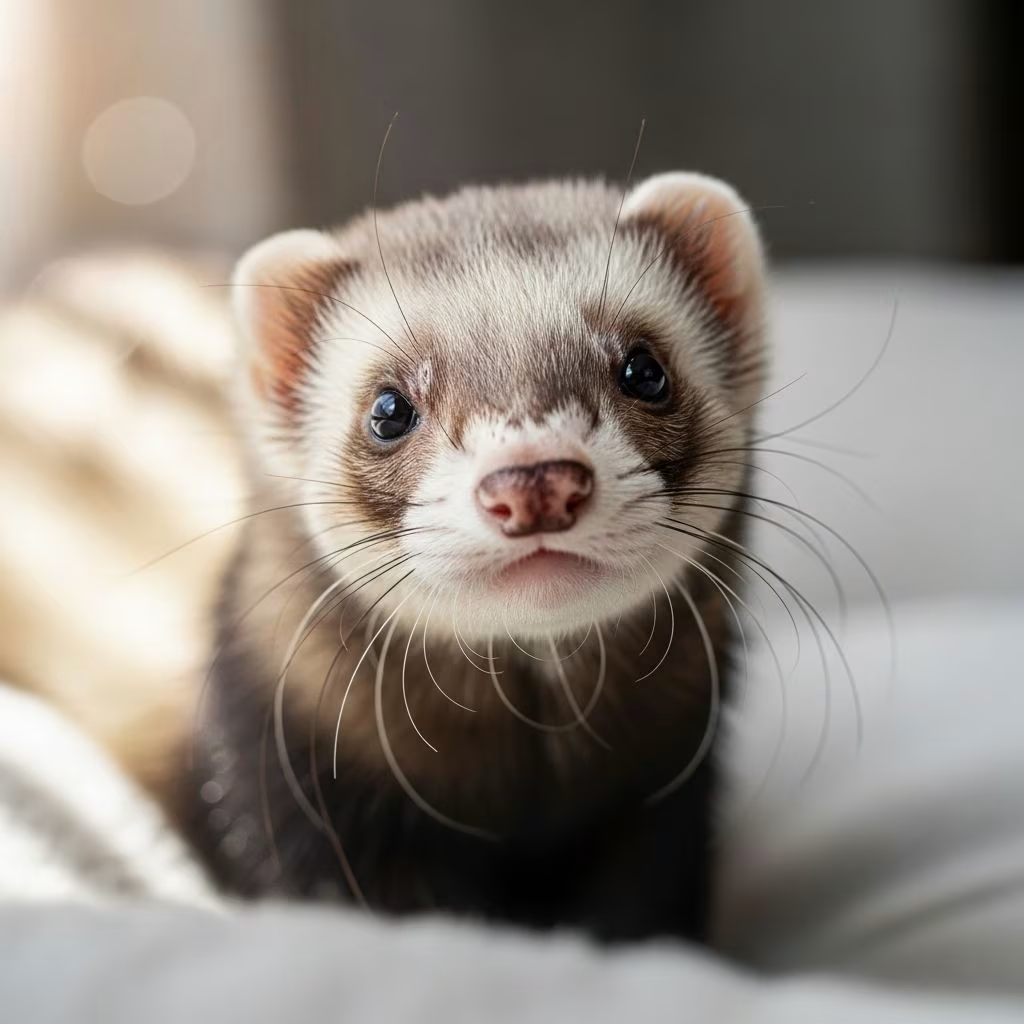
Do Ferrets Stink? Understanding Ferret Odor
Yes, ferrets do stink, and this is a completely normal and expected aspect of ferret ownership. Regardless of age or health status, ferrets produce a distinctive musky odor that is an inherent part of their biology. However, the intensity of this smell can vary significantly from one ferret to another, and several factors including diet, environment, and individual characteristics can influence how strong their scent is.
If you’re considering bringing a ferret into your home or already have one, understanding the source of their odor and learning effective management strategies can help you maintain a fresh-smelling living space while enjoying the company of these adorable and quirky companions.
Why Do Ferrets Smell? The Science Behind Ferret Odor
Ferret odor stems primarily from their unique biological makeup, specifically their scent glands. Understanding why ferrets smell is the first step in managing their odor effectively.
Scent Glands: The Primary Source of Ferret Smell
Ferrets have scent glands distributed throughout their entire body that produce secretions responsible for their characteristic musky smell. These glands serve an important biological and behavioral purpose in ferrets. They use scent as a sophisticated form of communication with other ferrets and to mark their territory. The scent also conveys information about their reproductive status and helps them navigate their environment.
Interestingly, ferrets have become a model species used in neuroscience research for studying the olfactory system due to their highly developed scent gland network. This demonstrates just how significant these glands are to ferret biology and behavior.
The Anal Sacs: The Stinkiest Scent Glands
While ferrets have scent glands all over their body, their anal sacs are by far the most pungent. These two scent glands, located on each side of the anus, produce an exceptionally potent odor that ferrets use primarily for marking territory in the wild. The smell from these anal sacs is so strong that they are often surgically removed in a procedure called descenting.
Most ferrets sold in the United States are commercially bred and undergo descenting when they are spayed or neutered as young animals. This surgical procedure significantly reduces their odor, though it does not eliminate it completely. Descented ferrets still retain a musky smell, but it is considerably less intense than ferrets with their anal sacs intact.
Environmental Factors Contributing to Ferret Odor
Beyond their biological scent glands, a ferret’s environment plays a substantial role in the overall odor of their living space. One of the biggest contributors to ferret smell is actually the odor of their feces. A dirty enclosure, soiled bedding, or a neglected litter box can quickly make a ferret habitat smell unpleasant. This is why proper environmental management is crucial for ferret owners who want to minimize odor in their homes.
When Ferret Odor Signals a Health Concern
While the musky scent of a healthy ferret is normal, certain types of odors warrant veterinary attention. It’s important to distinguish between normal ferret smell and odors that may indicate underlying health issues.
Extra Stinky Poops
If your ferret’s feces smell unusually strong or different than normal, this may indicate an upset stomach or other intestinal issues. Changes in the smell of their waste can be an early warning sign of digestive problems that require veterinary evaluation.
Dental Disease and Bad Breath
Dental disease is relatively common in ferrets and can result in noticeably bad breath. If you observe that your ferret’s breath smells different or unpleasant compared to their usual smell, schedule a veterinary checkup to rule out dental problems or other oral health issues.
Infected Wounds
Ferrets are curious animals that love to squeeze into tight spaces, which sometimes results in cuts or wounds. If these wounds become infected, they produce a smell that is typically more putrid and less musky than a ferret’s normal scent. Any unusual or particularly foul odor should prompt a veterinary visit.
As a general rule, if you notice your ferret smelling significantly different than usual, it’s advisable to have them examined by a veterinarian to ensure they don’t have any underlying health conditions.
How to Reduce and Manage Ferret Odor
While you cannot completely eliminate a ferret’s natural scent, there are numerous proven strategies to significantly minimize and manage their odor. Implementing these methods will create a fresher living environment for both you and your ferret.
Spay or Neuter Your Ferret
Scent glands are naturally larger in ferrets that have not been spayed or neutered. These intact ferrets will smell noticeably stronger than their altered counterparts. If your ferret has not yet been spayed or neutered, having this procedure performed by a veterinarian experienced with ferrets can significantly reduce their smell. Most commercially bred ferrets in the United States are already altered, but if you have an intact ferret, this is one of the most effective ways to reduce odor.
Feed a High-Quality, Protein-Rich Diet
Ferrets are obligate carnivores, meaning they require a diet consisting primarily of meat to obtain all necessary nutrients, especially protein. The quality of their diet directly impacts the smell of their feces. Feeding your ferret a high-quality ferret food formulated specifically for their nutritional needs can dramatically improve the odor of their waste. A proper diet supports digestive health and results in less smelly feces. When considering food options, choose products specifically formulated for ferrets rather than generic small pet foods.
Maintain a Clean Enclosure
One of the most effective ways to control ferret odor is through consistent environmental cleanliness. Regularly cleaning your ferret’s enclosure, changing and washing bedding, cleaning hammocks, and maintaining a spotless litter box are essential tasks. Ferrets are naturally clean animals and will use designated litter areas, making it easier to manage waste odor. Daily spot cleaning and thorough weekly cleaning of the entire enclosure will keep odors at bay.
Ensure Proper Ventilation
Despite your best efforts at cleaning and maintenance, ferrets will always have some degree of natural odor. Placing your ferret’s enclosure in a well-ventilated area with good airflow helps disperse odors and keeps the surrounding air fresher. Avoid placing their habitat in enclosed spaces or corners where odors can accumulate.
Bathe Your Ferret Occasionally
Bathing your ferret can help reduce odor, but it should be done sparingly—no more than once per month. Frequent bathing can dry out their skin and strip away natural oils that protect their fur. Use only a mild pet shampoo, such as one formulated for cats, as harsh chemicals can be harmful to their sensitive skin. Be sure to rinse thoroughly to remove all soap residue, as ferrets groom themselves and will ingest any remaining shampoo.
Brush Your Ferret Regularly
Regular brushing serves multiple purposes in ferret care. It helps remove loose hair, reducing the likelihood of your ferret ingesting excessive fur during grooming, which can lead to hairballs. Hairballs can potentially cause serious intestinal blockages. Regular brushing also helps maintain a healthier coat and can contribute to overall odor reduction.
Understanding Ferrets and the Weasel Family
Ferrets belong to the weasel family, which also includes skunks, weasels, and badgers. All members of this family have their own scent glands and produce unique odors. Unlike skunks, which spray a powerful defensive scent, ferrets produce a more subtle musky odor. This distinction is important for potential ferret owners to understand, as the ferret smell is quite different from what many people might expect based on their familiarity with other mustelids.
Is a Ferret Right for You?
Before bringing a ferret into your home, it’s crucial to honestly assess whether you can accept and manage their distinctive odor. Some people are particularly sensitive to smells and may find the ferret’s musky scent bothersome, even after implementing odor-reduction strategies. While you cannot completely eliminate ferret smell, most people find that they become accustomed to it over time, and the delightful personality of these animals makes the odor a minor inconvenience.
Consider your sensitivity to smells and your commitment to maintaining proper ferret care before deciding if a ferret is the right pet for you. The musky charm of a ferret is simply part of their quirky appeal.
Frequently Asked Questions About Ferret Odor
Q: Will descenting my ferret completely eliminate their smell?
A: No, descenting significantly reduces odor but does not eliminate it completely. Even descented ferrets retain a musky smell, though it is much less intense than ferrets with their anal sacs intact. The reduction in odor is substantial enough that most descented ferrets are acceptable to pet owners who implement proper care and hygiene practices.
Q: Can I use regular dog or cat shampoo on my ferret?
A: You can use mild cat shampoo on your ferret, but avoid using harsh chemicals or products formulated for dogs. There are also ferret-specific shampoos available that are typically similar to cat shampoos. Always rinse thoroughly and never bathe your ferret more than once per month.
Q: What diet is best for reducing ferret odor?
A: A high-quality ferret food that is high in protein and low in carbohydrates is ideal. Ferrets are obligate carnivores and require a diet primarily composed of meat. Feeding a proper ferret diet will improve digestive health and significantly reduce the smell of their feces.
Q: How often should I clean my ferret’s enclosure?
A: You should spot clean daily, particularly the litter box area, and perform a thorough cleaning of the entire enclosure weekly. Regular maintenance is essential for controlling odor in your ferret’s living space.
Q: What does it mean if my ferret suddenly smells much worse?
A: A sudden change in your ferret’s odor or an unusually strong, unpleasant smell could indicate a health issue such as an infected wound, dental disease, or digestive problems. Schedule a veterinary examination to rule out any underlying conditions.
Q: Are there any ferret breeds that smell less?
A: Ferrets do not have recognized breeds with significantly different odor profiles. However, descented, spayed or neutered ferrets will smell considerably less than intact ferrets, regardless of other characteristics.
Q: Can I completely prevent ferret odor?
A: Unfortunately, there is no way to completely prevent a ferret’s natural scent. However, their odor can be effectively managed through a combination of proper diet, regular cleaning, occasional bathing, good ventilation, and spaying or neutering. These measures will significantly reduce odor while maintaining your ferret’s health and well-being.
Final Thoughts on Ferret Odor
Ferrets are undeniably adorable and entertaining companions with unique and endearing personalities. While their distinctive musky odor is an inherent part of ferret ownership, it is entirely manageable with proper care and attention. By implementing the strategies outlined in this guide—including maintaining a high-quality diet, keeping their enclosure clean, ensuring proper ventilation, and considering spaying or neutering—you can significantly minimize odor in your home.
The musky scent of a ferret is simply part of their quirky charm. As their reputation for being extremely smelly has improved over the years thanks to better understanding of ferret care and husbandry, more people are discovering that ferrets make wonderful pets for those willing to embrace all aspects of their care, including managing their natural odor. If you’re considering a ferret as a pet, weigh whether you’re comfortable with their smell and committed to proper care. If so, you’ll find that these delightful creatures are well worth the effort.
References
- Do Ferrets Stink? Here’s Why Ferrets Smell and How To Improve Your Home — Chewy. 2025. https://www.chewy.com/education/small-pet/ferret/do-ferrets-stink
- The Smell of Ferrets — ZuPreem Pet, Dr. Laurie Hess, DVM. 2025. https://zupreem.com/the-smell-of-ferrets/
- Association of Exotic Mammal Veterinarians — Official Organization. 2025. https://www.aemv.org/



