

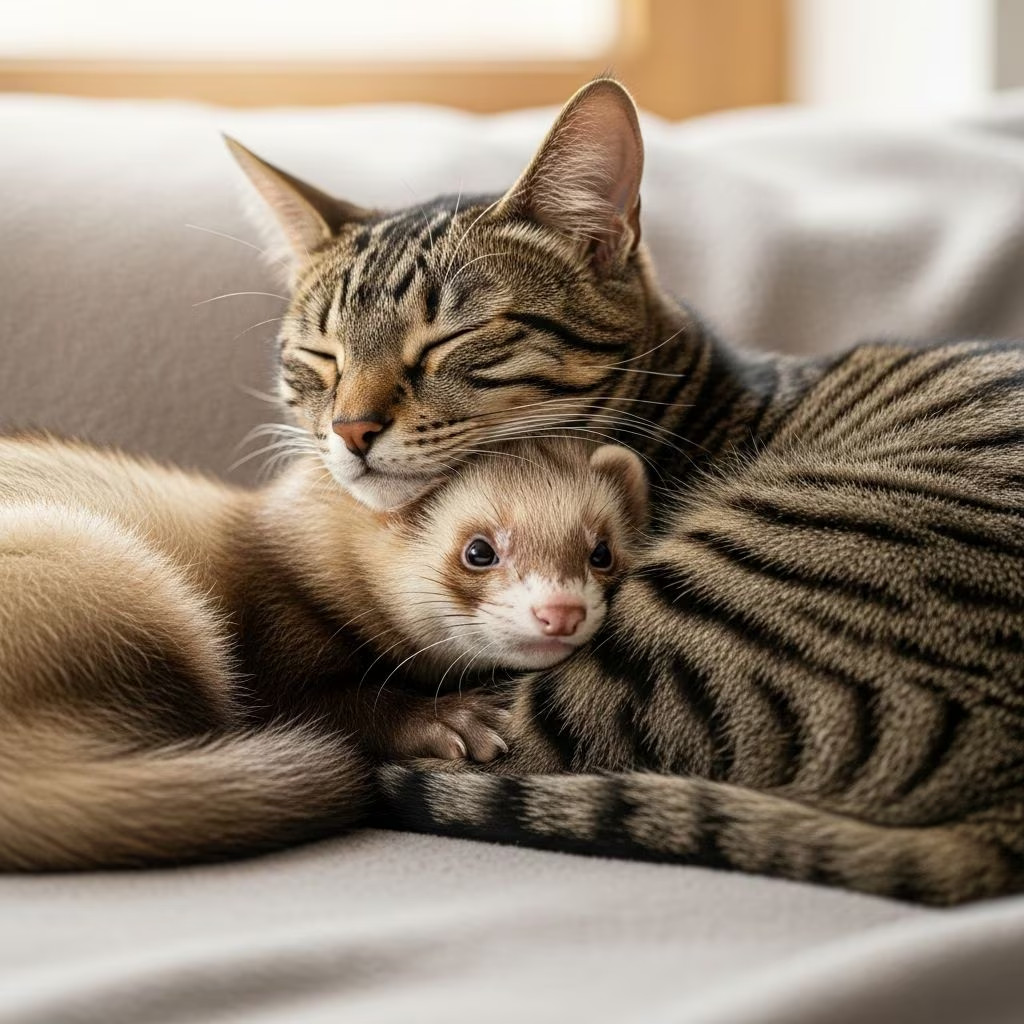
Do Ferrets and Cats Get Along?
Whether ferrets and cats can coexist peacefully is a question many pet owners ask when considering adding a ferret to a household with an existing cat, or vice versa. The short answer is: it depends. While these two species have different behavioral traits and communication styles, many households successfully maintain harmonious multi-pet environments with both ferrets and cats. The key to success lies in understanding each animal’s temperament, preparing adequately, and managing introductions carefully.
Ferrets and cats can indeed coexist peacefully, and often they’ll engage in play together, making for a lively and entertaining household. However, the success of this mixed-species arrangement largely hinges on two critical factors: your cat’s personality and how introductions are handled. With patience, proper preparation, and ongoing supervision, many ferrets and cats learn to tolerate one another and even become playful companions.
Understanding the Temperaments: Key Differences
To determine whether ferrets and cats might get along, it’s essential to understand their fundamental personality differences. These distinctions directly influence how they interact with each other and whether they’re likely to bond or maintain a cautious distance.
Feline Temperament
Cats are typically selective, territorial, and defensive around unfamiliar animals. They value their personal space and may view unsolicited interactions as annoyances or threats. Cats are naturally cautious and prefer to control their environment. Most cats will maintain a distance from animals they don’t know and may respond with aggression if they feel their territory or boundaries are being invaded. Some cats are patient and tolerant, while others are more aloof and prefer solitude.
Ferret Temperament
In contrast, ferrets are naturally inquisitive, bold, and fearless. They’re energetic explorers who are eager to interact with other animals, regardless of size. Ferrets are playful, curious, and often fail to recognize size differences between themselves and larger animals. This fearlessness, combined with their high energy levels, means ferrets may attempt to play with cats even when the cat isn’t interested. Ferrets are social animals that thrive on interaction and stimulation.
Behavioral Compatibility
This temperament mismatch can create challenges. When a ferret wants to play but a cat wants solitude, the ferret’s persistent attempts at interaction may be perceived as harassment. However, both animals are predators by nature, which means they share some common ground. Many ferrets and cats can learn to coexist, although it takes the right environment, introduction strategy, and considerable patience.
Factors That Determine Compatibility
Several specific factors significantly influence whether your ferret and cat will develop a harmonious relationship. Understanding these elements will help you assess the likelihood of success in your household.
Individual Personality
The most important factor is the individual personality of each animal. Some cats are naturally more social and playful, making them better suited for living with a ferret. Similarly, some ferrets are calmer and less aggressive than others. If you’re introducing pets, observe their baseline behavior first. Does your cat enjoy playing with other animals? Is your ferret energetic or relatively laid-back? These characteristics matter greatly.
Age and Early Socialization
Animals introduced to each other at younger ages typically adapt better than adults who are set in their ways. If you raise a kitten and ferret kit together, they’re more likely to view each other as family members. Early positive exposures help normalize the presence of the other species.
Health and Vaccination Status
Before sharing a space, both pets must be healthy and well-vaccinated. Ferrets require vaccination against rabies and distemper, while cats need to be up-to-date on their vaccinations and cleared of any parasites or viruses that can be transmitted between species. A veterinary check-up for both animals before introduction is essential for preventing disease transmission.
Prior Experience
If your cat has previous positive experiences with other animals or small pets, it’s more likely to accept a ferret. Similarly, a ferret that has lived with cats before will already understand feline communication and boundaries.
Pre-Introduction Preparation
Before your ferret and cat ever meet, substantial preparation work ensures the smoothest possible transition. This groundwork significantly increases the likelihood of peaceful coexistence.
Assessing Your Cat’s Prey Drive
One valuable preparation technique involves observing how your cat responds to ferret-like stimuli. Give your cat toys that imitate ferret movements and behavior. Watch whether your cat shows hunting behavior, aggression, or simple curiosity. Pay particular attention to pouncing or stalking behaviors during these toy interactions. A cat that views ferret toys as prey toys may struggle with a live ferret. Conversely, a cat that ignores or simply bats at the toys is more likely to tolerate an actual ferret.
Creating Separate Spaces
Both animals need personal spaces where they feel secure and undisturbed. Most ferrets prefer hammocks or enclosed sleeping areas, while cats enjoy high beds or windowsills. Establish these retreat spaces before introductions begin. Additionally, separate feeding areas are crucial since cats are territorial regarding food, and ferrets are notorious for stealing whatever they can carry. Consider using automatic pet feeders that dispense food at specific times to prevent conflicts and confusion.
Managing Bathroom Areas
Place litter boxes so they are not too close to each other and maintain them well to avoid confusion and stress. Ferrets should have their own designated bathroom areas away from the cat’s litter box. Ensure all areas are easily accessible to each pet while remaining separate from the other animal’s space.
Introduction Steps: The Gradual Approach
Successful introductions follow a gradual, carefully managed progression. Rushing this process can result in stress, fear, or aggression. Each step should last until both animals show comfort or indifference before progressing further.
Step One: Scent Introduction
Begin by allowing your cat to meet the ferret while it remains safely confined in its cage. This controlled environment minimizes risk while allowing both animals to observe each other. Let your cat sniff the ferret and its habitat, becoming familiar with the scent. They can interact through the cage barrier to become accustomed to each other’s smell. Repeat this step multiple times over several days or even weeks before moving forward.
Step Two: Handled Interaction
Gently hold your ferret while allowing the cat to sniff it and vice versa. Ideally, have two people present during this step—one holding the ferret and another ready to intervene if the cat becomes aggressive or attempts to strike. Keep these sessions brief and positive. Repeat as necessary until both animals seem friendly or at least unimpressed with each other. This step is crucial for preventing accidental injuries.
Step Three: Supervised Visual Contact
Allow supervised interaction in a neutral space with barriers present. Use baby gates to separate areas where both pets can see each other but cannot make direct contact. Watch for signs of stress, aggression, or excessive excitement from either animal. Monitor their body language carefully. This step helps them adjust to visual proximity before direct contact occurs.
Step Four: Free Interaction Under Supervision
When both animals show calm behavior during visual contact, allow them to interact freely but under strict supervision. Keep these sessions short initially, gradually extending the duration as all goes well. Never leave them unsupervised until you’re absolutely certain they’re safe together. Watch for aggression from both creatures, as ferrets can definitely hold their own against a cat, but conflicts can still prove intense.
Safety Considerations During Cohabitation
Even after successful introductions, ongoing vigilance is necessary. Accidents can occur in a short period, so continuous monitoring is essential.
Physical Differences Matter
While ferrets are predators and can defend themselves, they have several physical disadvantages compared to cats. Ferrets have sharp teeth and claws, but they lack the size and overall strength of a cat. Their slender bodies make them vulnerable to a determined feline attack. Conversely, ferrets can bite and scratch effectively, so cats must understand boundaries.
Never Leave Them Unsupervised
The golden rule is to always monitor interactions, even when they appear friendly. Both animals can injure each other quickly if conflicts arise. Ferrets are particularly fragile and injuries can be severe. Supervise every interaction until you have months of evidence that they can coexist safely.
Know When to Separate
If your cat and ferret show signs of genuine aggression toward each other, be prepared to separate them. Signs of dangerous incompatibility include repeated attacks, persistent stalking, or one animal refusing to eat or use the litter box due to stress. Complete separation is sometimes necessary, requiring inaccessible spaces and careful management. Ferrets are intelligent and can open some latches and doors, so ensure all safety measures are adequate.
Compatible Cat Breeds for Ferrets
Certain cat breeds and temperaments are generally more compatible with ferrets. Friendly, social breeds such as Ragdolls, Maine Coons, and Abyssinians tend to be more accepting of ferrets’ playful nature. Cats with naturally outgoing personalities and a history of socialization are better matches than aloof or aggressive breeds.
Common Cohabitation Scenarios
In most households, ferrets and cats develop one of several typical relationship patterns:
Mutual Respect: The most common scenario involves ferrets and cats maintaining a respectful distance. Cats typically ignore ferrets while ferrets display a respectful curiosity about their feline housemates. Both animals coexist peacefully, each respecting the other’s boundaries.
Playful Companionship: Some ferrets and cats become playful companions, engaging in chase games and gentle wrestling. These relationships develop when both animals have compatible play styles and energy levels.
Cautious Tolerance: Many ferrets and cats tolerate each other without ever becoming close friends. They share the same household peacefully but maintain separate social lives. This arrangement is perfectly acceptable and requires minimal intervention once established.
Daily Management Tips
Managing a multi-pet household with both ferrets and cats requires specific strategies. You can alternate when each animal roams free at certain times of the day, or use baby gates to separate areas. Ensure both pets receive adequate play, love, and attention individually to prevent resource-related conflicts. Create enrichment activities for each animal based on their specific needs and interests.
What If They Don’t Get Along?
Despite your best efforts, some ferrets and cats simply don’t get along. If incompatibility becomes apparent, don’t force the relationship. Complete separation may be necessary, requiring dedicated spaces for each pet with secure, ferret-proof barriers. While living arrangements become more complicated, it’s absolutely possible to maintain separate but harmonious multi-pet households. Some families successfully rotate pet access to common areas using secure gates and timed separation.
Frequently Asked Questions
Q: Can ferrets and cats share food bowls?
A: No. Ferrets and cats should have completely separate feeding areas and bowls. Cats are territorial about food, and ferrets steal whatever they can carry. Separate feeding reduces stress, prevents conflicts, and allows you to monitor each pet’s individual food intake and health.
Q: What if my cat is aggressive toward the ferret?
A: If your cat shows persistent aggression, separate them immediately and allow a cooling-off period. Partial reintegration through barriers may work over time, but complete separation is sometimes necessary. Consult with a pet behaviorist for guidance specific to your situation.
Q: How long does it take for ferrets and cats to adjust to each other?
A: The timeline varies significantly depending on individual temperaments and introduction methods. Some ferrets and cats show comfort within days, while others require weeks or months. Patience and gradual progression through introduction steps are essential.
Q: Can ferrets eat cat food?
A: Ferrets can eat food designed for kittens and adult cats, but not fish-based cat food. Ferrets are obligate carnivores requiring specific nutritional profiles. Always provide species-appropriate food and prevent cross-feeding between your ferrets and cats.
Q: Are certain ferret types better with cats than others?
A: Yes. Calmer, less energetic ferrets are generally better with cats than highly aggressive or rambunctious ferrets. Individual personality matters more than breed or type, but ferrets with gentler temperaments adapt better to feline housemates.
References
- Do Cats and Ferrets Get Along? Tips & Suggestions — WOpet. Accessed 2025-11-28. https://wopet.com/do-cats-and-ferrets-get-along/
- Can Cats And Ferrets Be Friends? — The Cat Site. Accessed 2025-11-28. https://thecatsite.com/c/cats-and-ferrets-get-along/
- Ferret Care and Behavior Guidelines — American Ferret Association. Accessed 2025-11-28. https://ferretassociation.org/



