

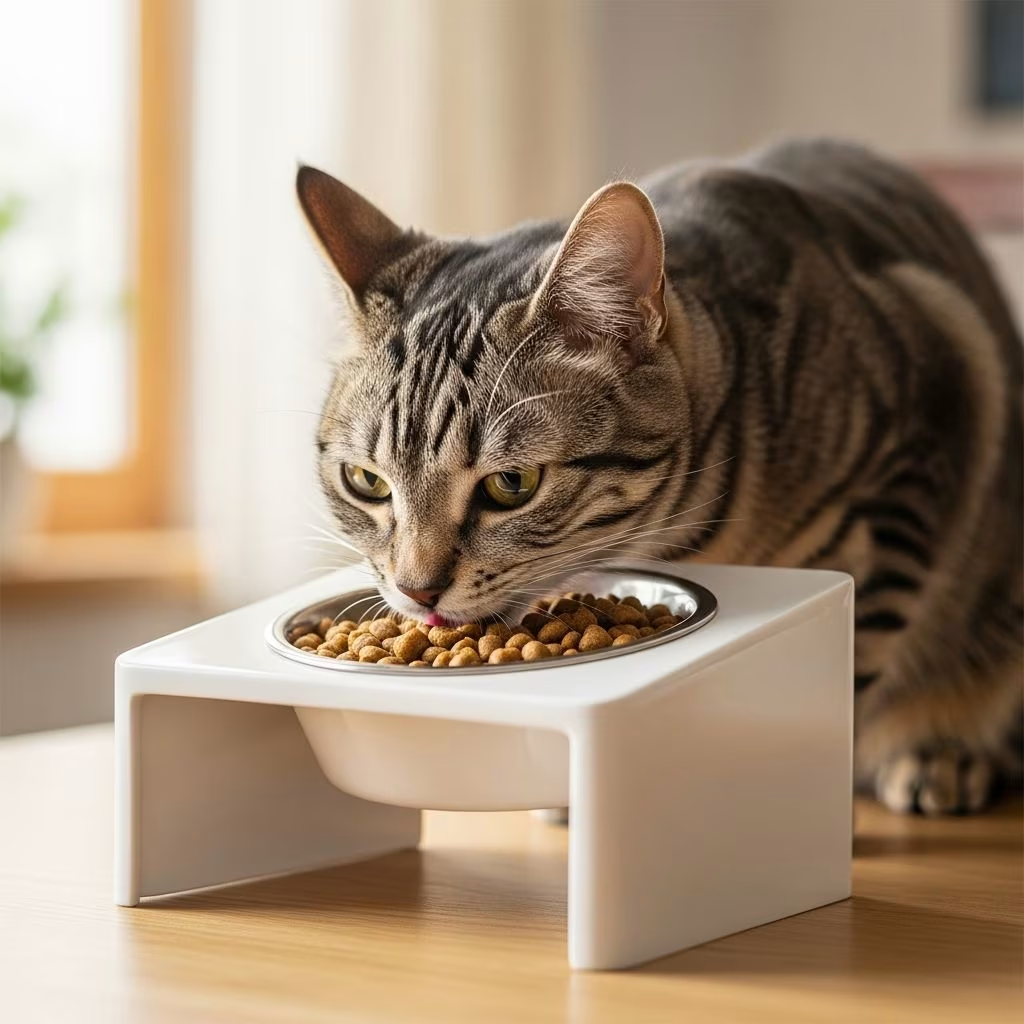
Elevated cat bowls, often marketed as anti-vomiting solutions, aim to minimize regurgitation by promoting a more natural eating posture and slowing consumption. While anecdotal evidence from owners suggests benefits, scientific studies remain limited, making them a potential but not guaranteed fix for feline tummy troubles.
Understanding Feline Vomiting Causes
Cats vomit for various reasons, from rapid eating to underlying health issues. Speed eaters gulp food without proper chewing, leading to stomach overload and expulsion of undigested kibble. Other triggers include hairballs, dietary sensitivities, gastrointestinal disorders, or even stress. Identifying the root cause is crucial before introducing new feeding tools.
- Rapid ingestion: Common in multi-cat homes or with competitive eaters, causing air swallowing and bloating.
- Positional issues: Low bowls force awkward neck bending, potentially hindering smooth food passage to the stomach.
- Medical factors: Conditions like megaesophagus or acid reflux exacerbate regurgitation risks.
Observing patterns—such as vomiting immediately post-meal—helps differentiate bowl-related problems from veterinary concerns.
Design Features of Anti-Vomiting Bowls
These bowls typically feature a raised platform, tilted angle, or maze-like interiors. The elevation, often 2-4 inches, aligns the cat’s mouth closer to stomach level, using gravity to guide food downward. Tilted designs prevent excessive gulping by requiring angled head positioning, while puzzle elements extend meal times.
| Design Type | Key Feature | Potential Benefit |
|---|---|---|
| Elevated Platform | 2-6 inch stand | Reduces neck strain, aids digestion |
| Tilted Angle | 15-45 degree slope | Promotes slower eating, less reflux |
| Slow-Feeder Maze | Obstacles and ridges | Encourages chewing, mental stimulation |
| Orthopedic Base | Non-slip, cushioned | Suited for senior cats with arthritis |
Materials like stainless steel or ceramic ensure durability and easy cleaning, vital for hygiene.
Potential Advantages for Cat Health
Beyond vomiting reduction, these bowls offer multifaceted perks. For senior cats, elevation eases joint pressure during meals, preventing stiffness in necks and spines. Flat-faced breeds like Persians benefit from wide, shallow designs that avoid whisker fatigue—discomfort from whiskers brushing bowl sides.
- Improved posture minimizes esophageal strain, potentially lowering esophagitis risks.
- Slower eating supports weight control by curbing overconsumption.
- Cleaner floors result from less spilled food exposed to contaminants.
Owners report fewer cleanups and happier pets, particularly with fast eaters transitioning to puzzle feeders that mimic hunting.
Scientific Evidence and Limitations
No robust clinical trials confirm anti-vomiting bowls’ efficacy universally. Veterinary sources note anecdotal successes but stress individual variability. For instance, bowls excel for posture-related issues but fail against allergies or parasites.
If vomiting persists despite bowl use, consult a vet to rule out serious conditions. Transition gradually to avoid rejection, mixing old and new bowls over a week.
Selecting the Ideal Bowl for Your Cat
Choose based on your cat’s size, age, and habits. Kittens and small breeds need lower elevations (2 inches), while large cats like Maine Coons require sturdy, wider bases. Test for acceptance—some cats shun novel shapes initially.
- Measure height: Bowl lip at elbow height when seated.
- Check stability: Anti-tip bases prevent spills.
- Prioritize dishwasher-safe materials: Daily cleaning curbs bacteria.
Brands offering adjustable heights provide versatility for growing or aging cats.
Complementary Strategies to Reduce Vomiting
Bowls alone aren’t a panacea. Pair with dietary tweaks like smaller, frequent meals or hairball-control formulas. Interactive toys filled with treats extend engagement, further slowing intake.
- Divide daily food into 4-6 portions.
- Switch to high-quality, digestible kibble.
- Incorporate brushing to minimize ingested fur.
Monitor weight and stool quality post-changes for effectiveness.
Real Owner Experiences and Vet Perspectives
Many report 50-80% vomiting drops in speed eaters after switching. Vets endorse trials for non-medical cases, citing posture improvements in arthritic patients. However, breeds like Burmese adapt variably, sometimes needing custom sizes.
“Elevated bowls support natural alignment, reducing regurgitation in posture-sensitive cats.” – Vet insight on digestive aids.
Frequently Asked Questions
Are elevated bowls safe for all cats?
Generally yes, but avoid excessive heights (over 6 inches) for jump-averse or balance-impaired cats. Start low and observe.
Why does my cat still vomit with a new bowl?
Underlying issues like allergies or infections may persist. Schedule a vet exam if unchanged after two weeks.
Can these bowls help senior cats?
Absolutely—relief from bending eases arthritis pain and improves appetite.
How often to clean anti-vomiting bowls?
Daily washing with hot soapy water or dishwasher cycles prevents bacterial buildup.
Do slow-feeder bowls work better than elevated ones?
They complement each other; mazes slow eating, elevation aids posture. Combine for best results.
Conclusion: A Worthy Experiment
Elevated anti-vomiting bowls present a low-risk, potentially transformative tool for managing feline regurgitation. While not scientifically proven across the board, their design logic and user testimonials make them a smart trial, especially alongside vet guidance and holistic care. Healthier mealtimes await many cats.
References
- Do Anti-Vomiting Cat Bowls Really Work? Vet-Approved Facts & FAQ — Hepper. 2023. https://articles.hepper.com/do-anti-vomiting-cat-bowls-work/
- Do Anti-Vomiting Cat Bowls Work? Vet-Verified Facts & FAQ — Catster. 2023. https://www.catster.com/cat-health-care/do-anti-vomiting-cat-bowls-work/
- Should You Get an Elevated Cat Bowl: Pros and Cons — Vetic. 2024. https://vetic.in/blog/healthy-lifestyle/should-you-use-an-elevated-cat-bowl-a-look-at-the-pros-and-cons-of-elevated-food-bowls-for-cats/
- How to Slow Down Your Cat’s Eating: The Benefits of Slow Feeder Bowls — Zach’s Pet Shop. 2023. https://zachspetshop.com.au/blogs/guides-advice/how-to-slow-down-your-cats-eating-the-benefits-of-slow-feeder-bowls
- Orthopedic Cat Bowl – Elevated Anti-Vomiting Design for Cats — Pet Care Shed. 2024. https://petcareshed.com.au/blogs/pet-supplies/orthopedic-cat-bowl-elevated-anti-vomiting-design-for-cats



