

Do Dogs Sweat? Understanding Your Dog’s Cooling System
As a pet owner, you’ve likely wondered how your dog stays cool during hot summer months or after vigorous exercise. Many people assume dogs sweat the way humans do, but the reality is far more complex and fascinating. Understanding your dog’s natural cooling mechanisms is essential for keeping your furry friend safe and comfortable in warm conditions. Dogs do indeed produce sweat, but it plays a much smaller role in their temperature regulation than most people realize.
The Short Answer: Yes, Dogs Do Sweat
Dogs absolutely do sweat, but their sweating process differs significantly from humans. While humans rely heavily on visible perspiration to cool down, dogs have evolved a different approach to thermoregulation. The confusion often arises because dog sweat isn’t readily visible like human sweat, and it doesn’t cover their entire body. Instead, dogs have sweat glands in very specific locations, and sweating represents just one component of their temperature regulation strategy.
Where Do Dogs Sweat?
Unlike humans who have sweat glands distributed across their entire body, dogs have a limited number of sweat glands concentrated in just a few strategic locations. This anatomical difference reflects millions of years of evolutionary adaptation to their specific physiological needs.
Paw Pads: The Primary Sweating Location
The most significant concentration of sweat glands in dogs is found in their paw pads. These are called merocrine glands, and they function similarly to human sweat glands by secreting water and salt in response to heat or stress. When a dog walks across a clean, dry floor on a hot day, you may notice wet paw prints left behind—this is dog sweat at work. This phenomenon occurs because the paw pads are hairless areas where sweat can easily evaporate and serve its cooling purpose. The paw pads are covered with a specialized, keratinized skin that’s tough and durable for walking, making them ideal for sweating without compromising the protective function of the paws.
The Nose: A Secondary Sweating Site
Dogs also have sweat glands in their noses, though research on the exact function of nasal sweating remains ongoing. Some experts speculate that a damp nose may help attract scent molecules to the olfactory center, enhancing a dog’s famous sense of smell. However, unlike paw pad sweating, nose sweating doesn’t appear to have a significant thermoregulatory function.
Understanding Canine Sweat Glands
Dogs possess two distinct types of sweat glands, each serving different purposes in their physiology. Understanding these differences helps explain why dogs don’t sweat like humans and why their cooling system is fundamentally different.
Merocrine Sweat Glands
Merocrine glands are the “true” sweat glands in dogs, similar to human sweat glands. These glands are coiled, tubular structures found primarily in the paw pads. When a dog experiences heat or emotional stress, merocrine glands activate and secrete a clear, watery fluid composed mainly of water and salt. This sweat evaporates from the hairless paw pads, facilitating a small amount of heat loss. Interestingly, the sweat from merocrine glands doesn’t produce the characteristic odor associated with human sweat. This is because human body odor comes from bacteria colonizing the skin and breaking down sweat components—a different biological process than what occurs in dogs.
Apocrine Sweat Glands
Apocrine glands are distributed throughout a dog’s entire body, embedded in the hairy skin across the torso and limbs. However, these glands serve a completely different function than merocrine glands. Rather than facilitating temperature regulation, apocrine glands produce pheromones—chemical signals that dogs use to communicate with one another. These pheromones contain information about a dog’s identity, emotional state, and reproductive status. When your dog marks territory or leaves scent markings, apocrine glands are actively at work.
Why Dogs Don’t Sweat Like Humans
The reason dogs have such limited sweating ability compared to humans comes down to biology and evolution. Most dog breeds are covered with thick fur that would trap sweat against the skin, preventing evaporation and negating any cooling effect. If dogs had extensive sweat glands across their bodies like humans, the fur would absorb and trap the moisture, making sweating an inefficient cooling mechanism. Through evolution, dogs developed a body plan optimized for their lifestyle, which meant concentrating sweat glands only in areas with minimal or no fur.
Panting: Your Dog’s Primary Cooling Mechanism
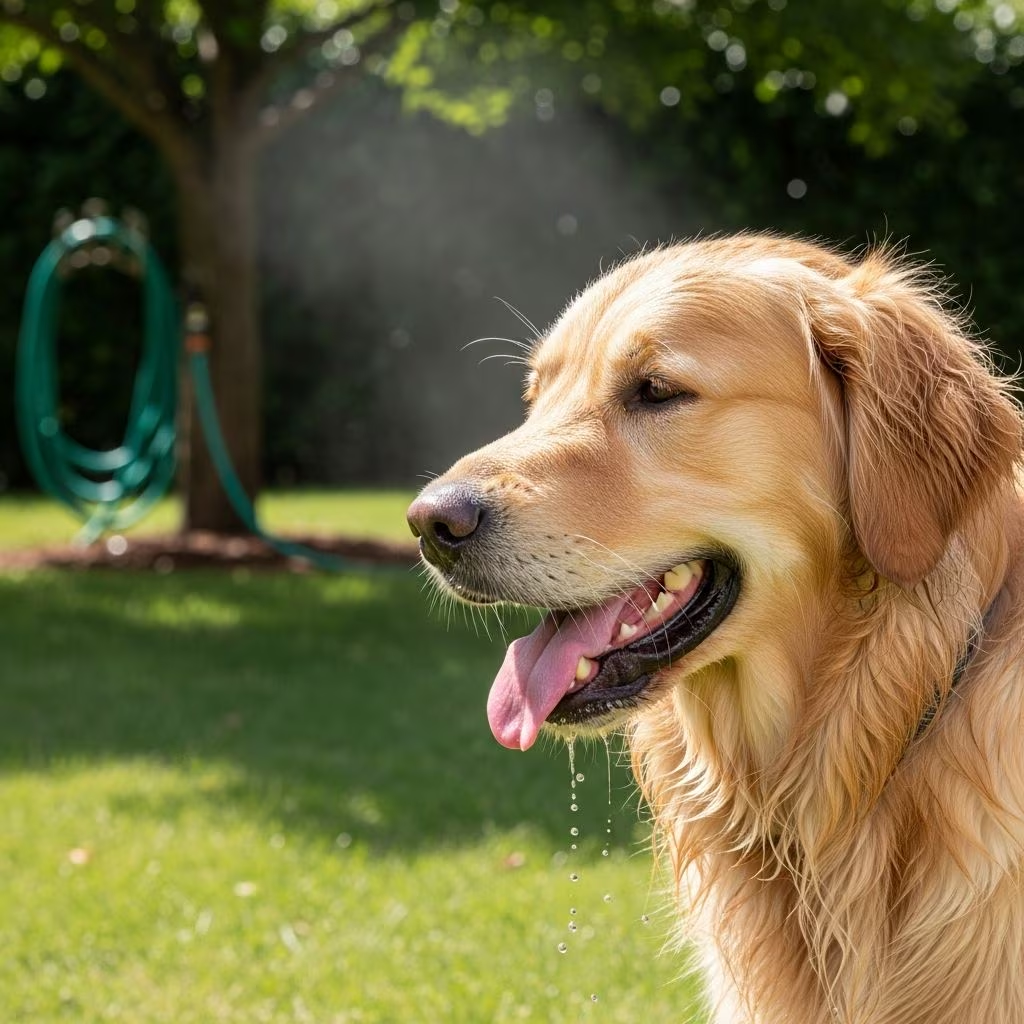
While dogs do sweat through their paws, sweating accounts for only a small portion of their temperature regulation. The primary cooling mechanism for dogs is panting—rapid, shallow breathing that circulates air over the moist surfaces of the mouth, tongue, nasal passages, and lungs. This evaporative cooling process is far more efficient than foot sweating for removing body heat. When a dog pants, the rapid air circulation accelerates moisture evaporation from these mucous membranes, efficiently lowering core body temperature.
Panting serves another important function beyond cooling: it allows dogs to breathe more easily during physical exertion. After a vigorous play session or run, you’ll notice your dog’s tongue hanging out as they breathe heavily. This is completely normal and reflects their body’s effort to maintain optimal temperature and oxygen levels.
Other Cooling Mechanisms: Vasodilation
Beyond panting and limited sweating, dogs employ another cooling strategy called vasodilation. In response to heat, blood vessels near the skin’s surface widen (dilate), increasing blood flow to the skin. This allows more blood to come into contact with the environment, facilitating heat loss through the skin surface. You may notice this when your dog’s ears or nose become particularly warm or flushed during hot weather—this is vasodilation in action.
The “Corn Chip” Smell: Bacteria, Not Sweat
Many dog owners notice their pets’ paws smell like corn chips or tortilla chips—a phenomenon often blamed on dog sweat. However, this distinctive odor doesn’t come from sweat itself. The sweaty fluid from merocrine glands on paw pads is odorless. Instead, the corn chip smell results from bacteria naturally present on the skin that colonize the paws and mix with sweat. Specifically, two common bacteria—Pseudomonas and Proteus—produce this characteristic scent. This smell is completely normal and generally indicates healthy bacterial colonization, not a problem requiring treatment.
Recognizing Signs of Overheating in Dogs
Understanding how dogs cool themselves helps you recognize when your pet might be overheating. Warning signs include excessive panting, drooling, letharness, vomiting, and collapse. Dogs are particularly vulnerable to overheating because their limited sweating ability and reliance on panting makes them less efficient at cooling than humans. Brachycephalic breeds (dogs with flat faces like Bulldogs and Pugs) are especially at risk because their anatomy compromises their panting efficiency.
Excessive Sweating in Dogs: Hyperhidrosis
While normal dog sweating is minimal, some dogs experience excessive sweating called hyperhidrosis. This condition manifests as abnormally damp paw pads that may even drip with sweat. Hyperhidrosis can lead to skin complications and discomfort—the excessive moisture softens the protective keratinized layer of paw pads, making them vulnerable to damage and infection. If you notice your dog consistently leaving wet footprints or displaying overly damp paws beyond normal circumstances, consult your veterinarian. Some breeds appear more prone to this condition than others.
Helping Your Dog Stay Cool
Since dogs rely primarily on panting rather than sweating for temperature regulation, pet owners should take active measures to help their dogs stay comfortable during warm weather. Ensure your dog has constant access to fresh, cool water. Provide shaded areas and limit outdoor activity during peak heat hours. Avoid walking your dog on hot pavement or asphalt, which can burn sensitive paw pads and raise core temperature rapidly. Consider using dog cooling products like cooling vests or cooling mats during particularly hot weather. Never leave your dog in a parked car, where temperatures can become dangerously high within minutes.
Special Considerations for Different Dog Breeds
Some dog breeds are naturally better equipped to handle heat than others. Breeds with shorter coats and more efficient cooling systems handle warm weather more easily. Conversely, long-haired breeds, thick-coated breeds, and brachycephalic breeds require extra attention during warm months. Senior dogs and puppies may also have more difficulty regulating temperature, as do dogs with certain health conditions.
Frequently Asked Questions About Dog Sweating
Q: Can you see dog sweat?
A: Yes, you can sometimes see dog sweat as wet paw prints on clean floors, particularly on hot days or after exercise. However, the amount is typically minimal compared to human perspiration.
Q: Do dogs sweat when nervous or anxious?
A: Yes, dogs can sweat through their paw pads when emotionally stressed or anxious, not just from heat. If your dog consistently leaves damp paw prints in non-hot situations, stress could be a factor.
Q: Is dog paw pad sweat similar to human sweat?
A: Dog paw pad sweat is similar in composition to human sweat—both contain water and salt. However, the sweating process serves different functions in each species.
Q: Can dogs get heat stroke?
A: Yes, dogs can suffer from heat stroke because their cooling mechanisms are less efficient than humans’. Heat stroke is a serious emergency requiring immediate veterinary attention.
Q: Should I be concerned if my dog’s paws smell like corn chips?
A: The corn chip smell is usually harmless and results from normal bacterial colonization. However, if accompanied by excessive moisture, redness, or itching, consult your veterinarian.
Q: Do all dog breeds sweat the same amount?
A: While all dogs have merocrine glands in their paws, the amount of sweating may vary slightly between breeds and individual dogs based on genetics and physiology.
References
- Why Don’t Dogs Sweat? — West Texas A&M University Department of Physics. 2013. https://wtamu.edu/~cbaird/sq/2013/10/09/why-dont-dogs-sweat/
- Do Dogs Sweat? — PetMD. https://www.petmd.com/dog/general-health/do-dogs-sweat
- Do Dogs Sweat? — American Kennel Club. https://www.akc.org/expert-advice/health/do-dogs-sweat/
- Do Dogs Sweat? — Live Science. https://www.livescience.com/55553-do-dogs-sweat.html
- Do Dogs Sweat? Plus, How Dogs Cool Themselves Down — GoodRx Pet Health. https://www.goodrx.com/pet-health/dog/do-dogs-sweat



